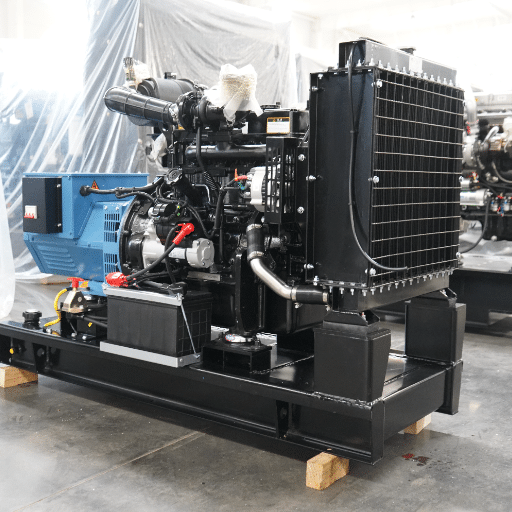


Combining dependability and efficiency into one power source is the area in which mini portable generators are showing the most advancement. These small yet powerful power units give off energy in a manner that is both adaptable and convenient for use, whether you are out for some outdoor decampment or else you are unexpectedly experiencing a power outage in your home or simply need to operate some necessary pieces of equipment in a remote area. At the same time, these generators, with features such as smooth operation, low fuel consumption, and portability, have positioned themselves as a must-have for anyone seeking a reliable power source that does not compromise comfort. So be with us to have a complete and easy search for the right mini portable generator according to your lifestyle.
Understanding Mini Generators
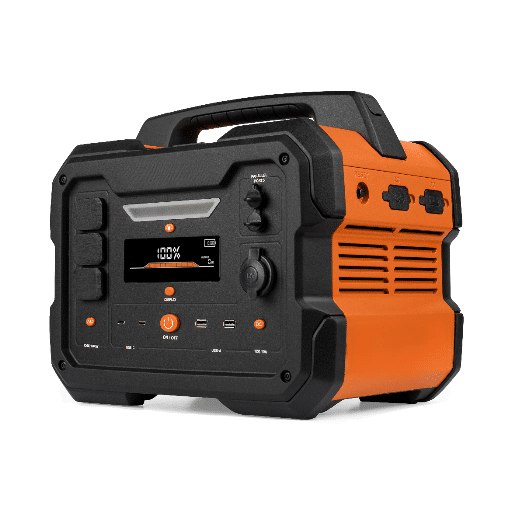
Portable generators are very small and handy gadgets that have been made to be a reliable source of power during mains power cut scenarios, be it in homes, outdoor events, or camping. The way these appliances work is by converting fuel, mostly gasoline, propane, or diesel, into electrical power. A mini generator’s main features that are to be taken into account are the wattage capacity, the type of fuel, the runtime, the noise level, and the weight. These factors will be the deciding factors for your mini generator’s compatibility with your equipment, ease of use, and most of all, the efficiency of the power supply. One way we can explain the popularity of mini generators is that this is one sector for the consumer where product weight, its transportation convenience, and the possibility for the reliable delivery of power are considered the most important factors.
What is a Mini Generator?
A mini generator is a small machine used to generate electricity by converting mechanical input energy to electrical output energy. The beginning stage is, in most cases, the internal combustion engine, which in turn turns the rotor of the alternator that produces an electric current. Components of a mini generator key are engine, alternator, fuel system, voltage regulator, cooling and exhaust systems, lubrication system, and a common operation panel. These are the units acting in unison to achieve perfect and regular energy output. The recent applications of technology have resulted in the production of top efficiency and portable mini generators, which are very often equipped with inverter technology that ensures the delivery of constant power output, thereby making them absolutely safe for using sensitive electronics like smartphones, laptops, and medical devices. Furthermore, most of the mini generators follow the trend of low-emission designs, which not only contribute to the reduced environmental impact but also grant greater usability in various situations.
Benefits of Using a Mini Generator
- Portable Power Supply
Mini generators are compact and lightweight, which makes it easy for users to carry them around. The average weight of the portable models is expected to be in the range of 20 to 50 pounds, so taking them on camping trips, to outdoor events, or having them as emergency power when there are outages becomes quite a thing of joy. - Stable Power Output
A significant number of the mini generators come with inverter technology, guaranteeing the production of a sinusoidal output of electricity that is not only consistent but also of high quality. In the case of such a system, the percentage of the Total Harmonic Distortion (THD) that comes out will always be under strict 3% limits, which is a strong prevention for the machines running the service, such as laptops, smartphones, and even medical equipment, from being affected. - Fuel Efficiency
The new concept for a mini and modernized power unit involves a generator that is firstly fuel efficient and secondly, via technological advancement, able to operate for 10 hours without stopping, using only one gallon of gasoline, depending on the amount of load, easily surpassing the cost of operation under the old system when the same amount of gasoline is used for, say, maximum hours at no load. - Low Noise Levels
With the reduction in noise pollution, the technology of the mini generators has undergone a massive change, especially when it comes to domestic and outdoor use. A good number of them are now available at very low sound levels, ranging from 50 to 65 decibels, which is roughly the noise level of normal speech and well below the typical level of a generator. - Environmentally Friendly
The technological progress in respect to emissions has lifted mini generators to eco-friendly levels, such that the devices are now made in such a way as to give the least amount of carbon monoxide and, at the same time, to tread as lightly as possible on the environment, so as not to lose their functionality capacity. - Versatility
The many uses of the mini generators range from the basic ones of powering fridges and fans during power cuts to the support of various kinds of tools and lighting systems in a building, construction, or other type of site that is remote and one of the kinds that needs power. Most of the models are fitted with more than one power output port, including AC, DC, and USB, to meet the needs of a varied audience.
Types of Mini Generators
| Generator Type | Fuel Source | Power Capacity | Ideal Applications | Key Features |
|---|---|---|---|---|
| Portable Gas Generators | Gasoline or propane | 1,000 – 10,000 watts | Emergency home backup, outdoor activities | Compact and reliable |
| Solar Generators | Solar panels | 500 – 2,500 watts | Camping, renewable energy use | Eco-friendly and quiet |
| Battery-Powered Generators | Rechargeable battery | 200 – 2,000 watts | Small gadgets, short-term power outages | Lightweight and portable |
| Dual-Fuel Generators | Gasoline and propane | 3,000 – 12,000 watts | Versatile home and outdoor use | Switchable fuel options |
| Inverter Generators | Gasoline or propane | 1,000 – 4,000 watts | Sensitive electronics, camping | Stable, clean power output |
| Hand-Crank Generators | Manual operation | 50 – 300 watts | Emergency radios, flashlights | No external power source needed |
Use Cases for Mini Generators
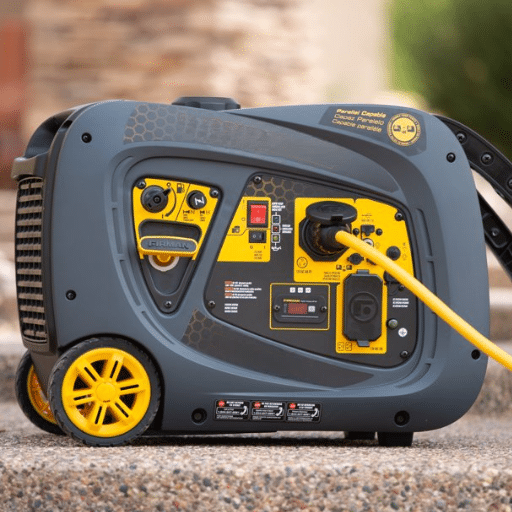
1. Emergency Power
Mini generators are a great solution for powering your lights, medical equipment, and chargers during a power outage.
2. Outdoor Activities
Being provided with electricity by those small and flexible units, they become the perfect choice for camping, partying, and outdoor event activities, apart from the obvious use of being able to power refrigerators, speakers, and cooking things like stoves.
3. Job Sites
For small house remodels or even some equipment repairs, you can simply run your tools, be it drills, saws, or battery chargers, efficiently with the help of a mini generator.
4. Remote Work
Mini generators can be of great help to remote workers by providing seamless power supply for laptops, Wi-Fi routers, and other devices while on the go.
Generators for Camping and Outdoor Activities
Nowadays, portable generators are like life-saving machines for campers, travelers, and anyone who enjoys long periods in the great outdoors. Modern camping generators are engineered to be fuel-efficient and to work quietly so as to disturb nature as little as possible. On the other hand, inverter generators are still the first preference among buyers, owing to their tiny size and the capability of delivering clean, steady power that can be used to run such sensitive electronic gadgets as smartphones, GPS devices, or LED lights.
It’s well known that compact generator models typically deliver 1,000-3,000 watts, making them suitable for most camping scenarios, such as powering cooktops/batteries and keeping the tent air conditioner on in harsh weather. Not only that, but any solar-capable model can take advantage of solar panels. The combination of the two is effective even if the generator itself is not powerful enough. In this way, portable generators become the ultimate companion in one’s outdoor activities, while at the same time providing the comforts and conveniences of home.
Portable Power for RVs and Travel
The demands of present-day travel have changed, especially in the recreational vehicle (RV) field, where dependable and effective portable power solutions have become very important. Most of the portable generator models currently on the market for RVs usually offer capacities of 2,000 to 5,000 watts, thus covering a number of needs like the use of microwaves, refrigerators, and entertainment systems. Small inverter generators are specifically appreciated because of their ease of transport and when it comes to the noise they emit—usually below 60 decibels—and the ability to produce clean power suitable for sensitive electronics.
But now, with advances in technology, the RV users are the happy ones. The use of both gasoline and propane in Dual-fuel generators really gives the added advantage of flexibility, especially in areas far from civilization where fuel availability may differ. At the same time, it is the solar generator that is slowly catching up with battery-aided, silent, and no-emission operations as well as the green angle. With the solar panel being able to provide between 100 and 400 watts, the solar input and battery life of the user can be increased while traveling long distances.
Based on the experiences and analysis of the industry, the penetration of smart technology into portable generators is a trend that has taken off; moreover, it is possible to monitor and control them through mobile applications. On the other hand, the technology that was connected to household power is now in your car, and you can take it on the road without any worries. Now, all the power supply that you may need for your RV or trailer are catered by portable power solutions that are virtually a must.
Home Backup Solutions for Power Outages
Home backup power solutions are essential for the stability of operations during unexpected power interruptions, especially when the entire household operates on electrical appliances. Standby generators are one of the top choices that are permanently installed and connected directly to the home’s electrical system. Widespread natural gas or propane is used for powering the systems which automatically respond when there is no power offering uninterrupted power to specific appliances and systems like cooling & heating units, medical devices and refrigerators.
The acceptance of solar-powered backup systems has risen thanks to the ongoing technological revolution in battery storage. These energy storage devices, once coupled with photovoltaic panels, will be the source of uninterrupted power during outages. The end product is a greener and quieter substitute for the noisy diesel- or gas-fueled generators. With its built-in software, the system can be operated remotely via a smartphone, for instance, which is just one of the numerous features that the modern system includes. Research pinpointing homes with the latest energy-saving hybrid systems shows that savings in energy cost are long-term and disruption to grid power is only for a while thus homes become more resilient when compared to other homes around without hybrid systems.
But you are probably still looking to engineer your own electricity system. That said, the correct backup solution must be picked to serve the high and low points of electricity demand in the house. The backup system, whether it is a diesel generator or a renewable energy source, keeps the lights on and the heaters running with no worry about power outages.
Quiet Operation: Why It Matters

A quiet operation is a very important attribute for backup power systems, especially for homes, because it diminishes noise pollution and provides convenience during the operation. Unbearable noise can become a barrier to everyday activities, hamper communication, and even cause trouble with the local noise laws in some places. The recently made backup solutions, like inverter generators or battery storage systems, are constructed to work at much lower decibel levels than the classic ones. Putting quiet operation first boosts the user’s experience by keeping the home atmosphere calm and still having the power supply served reliably.
Advantages of a Quiet Generator
- Reduced Noise Pollution
The sound levels of most quiet generators are typically minimized, with the majority operating between 50 and 60 dB(A) which is about the same as ordinary talking. This is quite a departure from the situation for regular generators, where the figures become too loud at 70-85 dB(A), making them one of the main sources of noise pollution. The removal of such excessive decibels from the neighborhood makes it possible to operate the generator in residential areas, campsites, or events without any big problems. - Improved Compliance with Regulations
Numerous townships, as well as residential districts, have noise pollution legislation to preserve the local lifestyle. More silent machines, however, are considered compliant with these laws, which may help in the avoidance of both fines and irritated neighbors, especially in densely populated places. - Enhanced User Comfort
They have no doubt that it will be a great thing for homeowners, camping, and other activities, although the quiet generators are more expensive up front. At the expense of noise level, the generator allows the users to keep on being very active, eg, working, sleeping, and chatting, with the background noise removed. This means machines that are very quiet are the best for home use and outdoor activities. - Optimized for Sensitive Environments
In a case where the noise level needs to be minimal, quiet generators are particularly recommended due to the excessive noise coming from the buildings and facilities, such as hospitals, schools, or construction sites, where focusing on communication and safety is essential. - Greater Market Appeal
The requirement for subtle and green products is going up, and quiet generators have been keeping pace with the customers’ preference for ground-breaking, low-noise solutions. Quiet generator producers are usually presented with increased inquiries from both individual buyers and businesses, and their equipment thus becomes a well-considered purchase in the market. - Enhanced Durability and Modern Technology
The components of several quiet generators include some of the most advanced tech-manufactured components available. Not only do these technological changes make the machine silent, but they also become a major factor in the machine being more reliable and producing more sophisticated output.
Noise Levels: What to Expect
Advanced quiet generators nowadays work with very little sound emission, in contrast to the conventional ones, and this is mainly on account of the upgrade of noise-deadening technologies in engineering. For the units in this particular category, the noise level usually goes from 50 to 70 decibels on average, but that will differ according to the model, load, and the distance from the unit. The first may be compared to the murmur of a really quiet office, while the latter is a little bit louder than a normal conversation or part of the noise one may hear when a dishwasher is working. Moreover, the models that have the so-called inverter technology usually run at a lower decibel level, hence, having the lowest noise when being used either at home or outside. The choice for the right option that will handle the specific sound requirements well should be made based on the degree of noise that the generator makes and the place and ways it is going to be operated.
Choosing the Right Mini Generator

When it comes to choosing a portable generator, the three things you need to think about most are the power it produces, the energy it runs on, and its portability in use. The first thing you will have to do is to go over the power requirements of your daily gadgets or appliances. Find a generator that produces power to cover all day-to-day needs and not just some of the essentials. Then find a way to figure out which type of fuel to use—petrol, gas, or even both are considered a viable choice. Petrol gas is very easy to find, while gas that comes from propane might produce less pollution and could be stored for a long time. To wrap up, the lightest, smallest, and least difficult to carry generator should be your top priority. Make sure to choose your generator carefully so it will work out the best for you!
Factors to Consider When Selecting a Mini Generator
- Power Output and Wattage Requirements
Determining the power output of a mini generator concerning your own demands is very important. Mini generators usually range from 1,000 to 4,000 watts, which is perfect for small accessories or tools. Work out the sum of the running wattage and the surge wattage number that is needed by your devices to ensure that the generator can cope with the peak loads. A refrigerator, for instance, might take 700 watts all the time but up to 1,200 watts during the startup. - Runtime and Fuel Efficiency
Find out the number of hours that the generator can be used with a full tank of fuel and a specified load. The duration of operation is usually quoted at 25% or 50% load capacity. For example, a 2,000-watt generator may run for around 8-10 hours per gallon of fuel at 25% load, but the time will be less if the load is higher. Selecting a generator that’s more fuel-efficient will lead to an extended period of operation, and at the same time, there’ll be a reduction in fuel costs as well as refueling intervals. - Noise Levels
Noise production is a major issue, especially for residential and camping applications. If we go by the decibels scale (dB), quietest models operate under 60 dB with the load of 25%, which is almost possible with normal conversation. For city or within buildings applications, picking a model closer to this range will help to limit the noise disturbance. - Durability and Build Quality
Shed a light on the construction materials and the general ruggedness of the generator. Generators having metal case designs or corners made more strong through reinforcement serve longer lives in tough environments. Weather-protective elements, such as covered outlets and paint resistant to corrosion, are another good point for the outdoor usage of a generator. - Safety Features
Buy the generators that have all primary safety features, like protection against overload, low-oil shutdown, and circuit breaks. Overload safeguarding will help to keep the devices plugged in at the generator safe, while the oil alerts will shut down the engine to save it from the damage that the user can now easily avoid. The mentioned features are indispensable for both the equipment and the user’s safety. - Portability and Design
If you want easy-to-transport, portable power generators, they are the best option! They can look the most attractive with their ergonomic handles, light in weight designs, and wheels that are built to last long. Refer to an example when we are talking about a user-friendly, frequently moving or storing the unit situation. For one thing, a less than 50-pound-weight generator with a collapsible handle gives the most convenience.
Comparing Gas vs. Solar Generators
| Feature | Gas Generators | Solar Generators |
|---|---|---|
| Power Output | High, suitable for heavy appliances | Moderate, for lightweight devices |
| Fuel Source | Gasoline or propane required | Solar energy, renewable |
| Operational Noise | Noisy during use | Silent operation |
| Environmental Impact | Emits greenhouse gases | Eco-friendly, no emissions |
| Initial Cost | Lower upfront cost | High initial investment |
| Maintenance Needs | Regular maintenance required | Minimal maintenance |
| Runtime | Limited by fuel availability | Dependent on sunlight |
| Portability | Heavier and less portable | Lightweight and compact |
| Setup Requirements | Minimal setup, ready to use | Requires solar panels setup |
| Best Use Cases | Emergency backup, heavy power tools | Camping, outdoor devices |
Maintenance and Safety Tips

- Regular Inspections: Do it regularly. Look out for wear and tear or if any components are not well put in their place. Also, check for any visible signs of damage; if found, then rectify it immediately to prevent future complications.
- Lubrication and Cleaning: Moving parts need to be regularly lubricated and kept free from dirt to avoid the prevailing friction and, consequently, the overheating. Filters or panels also have to be cleaned whenever they need cleaning, or else the system’s efficiency may be negatively affected.
- Storage: Ensure the equipment is stored in a dry and cool place when not in use to prevent moisture and extreme temperatures from causing any damage.
- Follow Manufacturer Guidelines: Study the user guide to know the maintenance timetable and safety tips that suit your product best.
- Use Appropriate Fuel or Components: If you are using fuel-based machinery, always adhere to the fuel defined by its manufacturer and store it safely. Install solar panels and accessories that are only compatible with each other.
- Operating Safety: Don’t overload the equipment. Be cautious and follow proper ventilation practices when using it so fewer risks are encountered due to inhaling the air containing fumes or because of the device overheating。
Regular Maintenance for Longevity
Ensuring the best performance and enhancing the life span of your machinery can be achieved by following a detailed maintenance schedule. Replace or repair moving parts if there are any signs of wear or corrosion and go the extra mile of getting a professional opinion to avoid motoring or cabinet heating issues. Use the lubricants in the proper quantities as per the user manual for smoother running and minimum friction. Petrol and diesel-powered tools require the most checks and repairs because the parts, such as spark plugs, fuel nozzles, and even the cylinders, are often exposed to air-borne impurities from the environment or contamination from the engine oil. For the systems that rely on electrical power, one must always keep an eye on and adjust the voltage levels as well as ensure that no cables are loosely connected to the panel board, thus preventing fire and system shutdown. Also, the regular cleaning of exhaust fans, cooling coils, and air filters will help maintain the set point temperature, thus preventing heat-related failures and fire hazards. Such practice of maintenance, if followed meticulously, also means less time lost and more risk-free working conditions.
Safety Precautions When Using Generators
Safe and sound handling of generators is a must to prevent instances like CO poisoning, live-wiring accidents, and being blasted by flames. The number one rule is to drive your generators only in open-air locations, meaning that they should be placed a minimum of 20 feet from the nearest windows, doors, or vents so as to make sure that no carbon monoxide gets inside the building. Along with that, every living area should have at least one carbon monoxide detector equipped with regularly tested batteries.
One of the electrical safety precautions involves the use of heavy-duty, outdoor-grade cords with the right wattage rating and checking for any damage, such as frays or exposed wires, in the cords. An essential practice, to ensure safety, is to ground the generator properly in order to avoid electric shocks, and the transfer switches must be fixed by an authorized electrician to provide a secure connection of the generator to the home wiring system.
Always make sure to refuel generators with great care. Stop the unit and let it cool prior to adding fuel so that there are no spills that may catch fire. Fuel should always be kept in appropriate containers, not near materials that burn easily, and always marked for safety. Moreover, it is of great importance to carry out the procedure of oil levels checking, air filters cleaning, and spark plugs inspecting in order to ensure the power and reliability of the operation of the generator and thus to minimize the waste of fuel and time.
Moreover, never over the last half-hour of operation, such equipment is to be refueled unless destroying the fuel source is not an option. Then, so that the fuel source is kept in an explosion-free area, be sure to put a number of portable fire extinguishers close at hand and always have a couple of people at all times in such a situation. Make engine adjustments only when the engine is cool, and do not exceed the balance limit. However, if the worldwide lab breaks and other necessary safety measures can be immediately implemented, the testing can be continued.
Reference Sources
- Portable Nano Hydro Generator for the DC House Project
Read more here - Kettlectric and myGen: Portable, Thermoelectric-Based Power Generation Systems
Read more here - Testing, Analysis, and Model Verification of Miniature Linear Permanent Magnet Generators
Read more here
Frequently Asked Questions (FAQs)
What makes a mini generator portable generator ideal for outdoor camping?
Small generators and generators that are easy to move around are quite sought-after for outside camping because they have the characteristics of being easy to carry and at the same time supply what one needs for the operation of small devices and e-gadgets. A portable inverter and a portable inverter generator both provide stable power and quieter-than-usual operation, which is exactly the kind of devices demanded at the campsites where the use of quiet, low-emission devices is encouraged. The dual fuel and gas-powered choices are considered very versatile for use in isolated areas, while portable solar power units or a solar generator can actually increase the runtime of the generator without using fuel.
How does a portable power station compare to a gasoline power generator product?
Lithium-ion battery technology is already the preferred option for portable power stations, as they are now commonly offered with lightning-fast recharge features from solar panels, wall outlets, or car chargers. However, portable gas generators like those manufactured by Cummins or Generac are not just a different story but also one option that is more suitable, especially if you need heavy-duty home backup or jobsite tasks. An inverter generator with a configuration that is close to that of the battery in terms of inverters, and the characteristics that make it the same as gas-fueled generators in terms of noise. The devices that you can use to power the set, output in watts (e.g., 200W portable or 600W AC), and the number of AC outlets.
Can a portable inverter generator be used as a home backup during power outages?
Absolutely, a portable inverter generator can be used as a house power backup for basic needs as long as you choose the right size according to the load and the home’s use necessities. Inverter technology provides and manages high-quality power, which is clean, reliable, and safe, and it delivers less noise production compared to traditional generator technology. It will be impossible for people living in that area where the power outage happens to even be aware that their neighbors are facing an emergency situation. At the time of such an event, one may wish to have a dual-fuel or a gas generator and keep extra fuel on standby, or have a portable power station that works on a lithium battery and operates more quietly. Often, the same models already come with a powerful AC outlet and dual 110V/120V output to run the appliances.
Which features should I look for in a lightweight portable solar generator for travel?
If you are picking a light and portable solar generator for your journey, have in mind, that the most important characteristics are high-energy density lithium battery packs and quick recharge from solar panels or AC sources to cut down the dead time. Equip yourself with the most convenient of RV-ready ports and multiple AC outlets and USB ports to accommodate different devices from phones to small appliances. Sturdiness and a carrier-friendly design are a must for outdoor camping and regular transport, just as the thing must work emission-free in parks and campsites. One should also consider the support of portable solar panels and look at 120W or 200W panel options for practically possible recharge times.