

When it’s about your power needs, choosing one of the basic things is the decision on a canopy or an open generator. Naturally, both selections are for the distinct advantages and are dedicated to the specific environment and applications. However, a clear understanding of the main differences is necessary as this will affect your operation requirements. In this blog post, canopy and open-type generators will be compared in terms of their physical construction, operation, effectiveness and adaptability for different use applications. If you are worried about noise levels, airflow, longevity, or most of all cost savings, the guide will keep you informed on all the possible means of determining which option suits your needs the most.
Understanding of Generator

Generators are devices that transform mechanical energy into electrical energy and are basically the most reliable power source in many different fields. Generally, they are the two most preferred types, which are:
- Canopy Generators
These are soundproof shells that block out the loud noise and outside factors that could destroy the inner parts of the machine. Three materials are the best in the market for soundproofing the outer cover; therefore, the houses are mostly used at home, in public, and in the open air. - Open Generators
If generators are kept open, then it is more for the sake of ventilation and accessibility rather than insulation on the one hand, and on the other, they are kept a little farther from the regular enclosures. Industrial and construction sectors mostly use open generators due to their high power output, easy maintenance, and cost-effectiveness.
Splitting up generators in this way will let you choose the one that is most apt for the location, the noise regulations that have to be met, maintenance services, and finally for the best application. The two options are made keeping ‘constancy of power’ in mind but each option will be appropriate for different operational needs.
What is a Generator?
A generator is a tool which makes the conversion of mechanical energy to electrical energy possible by means of electromagnetic induction. There are few mechanical energy sources like the internal combustion engine, steam turbine, and wind turbine which could be used anywhere a generator is set up to be operated depending on the application and the kind of energy sources that are now available in the market. The principle of Faraday’s Law of Electromagnetic Induction is, in fact, the basis for the operation of a generator, that is, the change in the magnetic flux through a coil produces an electromotive force (EMF).
Generators can be generally distinguished into two major types according to their output, which are AC (alternating current) generators and DC (direct current) generators. As a result, these two kinds of generators differ in terms of the produced current and are used in different fields. For instance, AC generators, or alternators, are well suited for mains electricity supply and commercial power distribution because they generate a current that changes its direction periodically. Conversely, the DC generators suit cases where constant voltage is the main factor, like charging batteries or running some industrial processes.
Generators are nowadays coming in a wide range of options and can be very different in terms of both size and capacity. They start with the common small portable units that people have for an emergency power supply at home and go up to the monster industrial machines that can completely supply really big installations from factories or to the electrical grid. Besides these, also the fuel sort and operational settings play a very big role in the choice of a generator and a major factor is the load requirement.
Types of Generators
Canopy Generators: Features and Benefits
Features
- Noise Reduction:
The enclosure has a noise reduction effect and therefore it is very suitable for live-in power generation or works that need a good environment. - Weather Protection:
The protective cover protects the machine from the various problems that come with harsh conditions, giving a good performance during the harsh and extreme conditions. - Compact Design:
Operating normally as they are smaller and more movable than open-frame sorts, canopy models of generators are very convenient in terms of both transportation and installation.
Benefits
- Durability:
The solid and strong construction helps to decrease the wear of the generator and thus increases its useful life. - Versatility:
No matter if you are looking for a power source for a temporary project, an event, a remote location, or for the sake of a crisis, canopy generators can be the exact solution you need. - Efficiency:
The combination of the relief in fuel consumption and noise alongside the long continuous runtime is the reason why canopy generators are extremely useful for applications needing such features.
Design and Structure of Canopy Generators
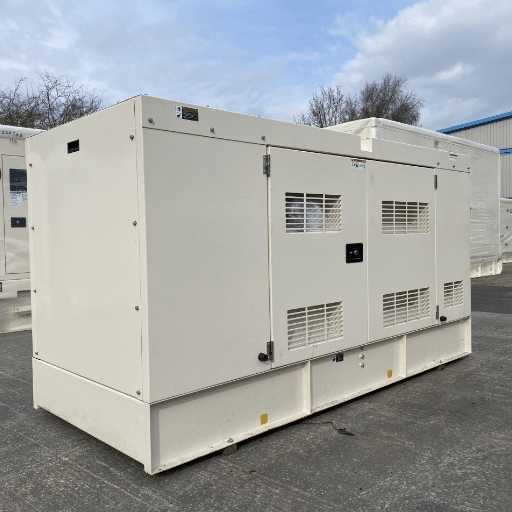
The durable and versatile canopy generator, housed in a compact and enclosed design, is effective in noise reduction, protected from environmental factors, and also highly mobile. Such enclosed housings are most often fabricated from anti-corrosion materials like galvanized steel or aluminum and the inner parts that are always exposed to high temperatures are made of heat-resistant materials. It is recommended that the installation be done by an experienced and certified professional. Surrevastly, different technologies with their respective great features and characteristics go hand in hand with one another.
The interior of the canopy hosts a top-notch engine and alternator, created to be the most efficient in fuel consumption as well as in power delivery at all times. One of the most common upgrades for the generator is the addition of advanced vibration-resistant mounts; this greatly reduces the operational noise and, at the same time, prolongs the life of the generator by reducing the wear of internal parts. Very often, engineers install soundproofing in the canopy of generators.
The design of control panels is ergonomically pleasing, which means that it is accessible and user-friendly at the same time. Sometimes these panels can be equipped with digital displays and also safety features such as automatic shutdowns for low oil pressure or high temperature. To make the generators more portable, forklift pockets or wheels are installed on most models which make it easy to transport and position them. The technology integration of these design features guarantees that the generators with a canopy deliver dependable performance in the most varied environments and applications.
Noise Reduction Capabilities
Canopy generators may be utilized for a good number of areas as they have been technologically designed with the working hours of the most advanced noise reduction methods to minimize the noise emissions to the level allowed by the camps, thereby making them suitable even for environments with the most stringent noise requirements. Almost always, these machines work inside soundproofed solutions, i.e., the canopies for gensets, and in the end, the sound is reduced significantly by using some materials like the acoustic foam and the special paneling whose design is made for the sound waves to be absorbed and deflected by them at the same time.
It is not that uncommon that many of the modern canopy generators operate at a noise level of 60 to 75 decibels at a 7-meter distance, and the noise levels increase. What is more, the vibration isolation mounts are one more very important factor in the structural noise transmission reduction process and overall noise control. As already said, these noise control attributes, in addition to the cleverly arranged location of the air intake and exhaust systems, ensure that the canopy generators not only meet the noise regulations but also operate efficiently and at a high performance level.
Weather Resistance and Durability
The designers of canopy generators intentionally create them to be sustainable in every kind of environmental setting thereby making the generators reliable and durable. Consequently, the enclosures of the canopy generators are usually made of galvanized steel or aluminum which can additionally be given through anti-corrosive treatments lest they become rusted or get affected by weather conditions. These substances are in fact rain, snow, high winds, and UV-resistant materials and they do not therefore pose any risk to the stability of the structure of the generator. There are different kinds of sealing methods applied to the products to even create a barrier against water and dust, mostly conforming to IP standards like IP23 or an even higher one, which declares that the products are protected from the penetration of particles and moisture.
The focus on durability and weather resistance for the industries that need a continuous power supply in unpredictable weather, selectively moves the high risk of operational downtime and maintenance costs into nature’s hands. The modern canopy generators, which are the result of the combination of advanced materials, precision engineering, and rigorous testing, are a perfect match for both the efficiency and the resilience that the market demands.
Open Frame Generators: Features and Benefits

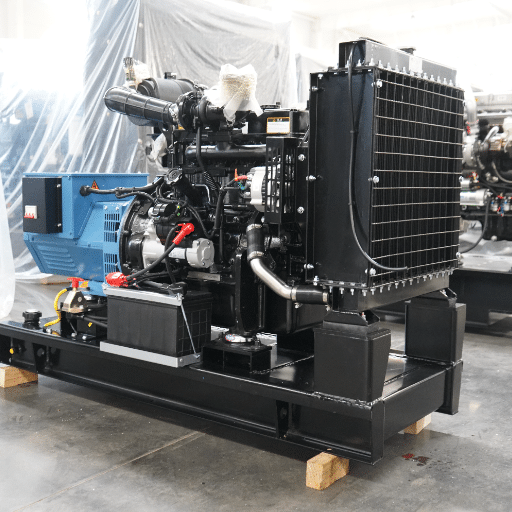
Open frame generators are specifically engineered to offer high power outputs along with accessibility and ease in operation of the setup. Their design of an open frame leads to airflow at an optimum rate which then is cooling and this goes beyond the most far-off time of operation. They are generally the power sources which are more likely to be carried around by the users than the ones of the same power rating that are an enclosed system. Hence, they are outdoors power pack of the smaller rating construction work zones, and emergency stand-bys the generator.
The biggest pros of the systems are their maintenance simplicity which comes from the fact that all the parts are directly exposed for the eyes of the users and are therefore possible to be checked up or mended fast without the necessity of the whole unit disassembly. Moreover, open frame generators are usually characterized by their strong, reliable power engine despite the fact that they have a high noise level. But they are still effectively working in situations where the noise does not make a difference at all.
Design and Structure of Open Frame Generators
The practical and utilitarian design of the open frame generators is the consequence of the engineering work that is done to meet power needs in different environments. The typical composition of their frame is of steel, which is of heavy-duty quality and thus it serves both as the outer shell of protection and the means for mounting the internal parts. The open design of the generators is an advantage in that it minimizes the weight that is unnecessary and maximizes the ventilation, which is very much needed for the cooling of the engine and maintaining the operating temperatures at the best levels during long-time use.
Open frame generators’ internal arrangement of the main parts, such as combustion engine, alternator, control panel, and fuel tank, is strategic and efficient. The engine, in this case also commonly an overhead valve (OHV) model, is the main source of durability and efficiency, in addition to being the prime source of power, which is very reliable. The alternator is the electrical part of the system and it consists of converting mechanical energy into electrical energy, producing either AC or DC output, in one case, the three-phase electricity is delivered as well as, in another case, the single-phase one depending on the model.
A control panel is an essential part of any electric generator. The panel usually consists of such basic parts as power receptacles electric wire with a circuit breaker and sometimes a digital screen that shows the important info like AC voltage, frequency, and operation hours. The fuel tank is a robustly built component that has different sizes for different power outputs and durations. To make sure that the machine runs smoothly, the generator is often supported by a rubber or anti-vibration pad. The design of the power plant is very customer-friendly as the most common challenges related to the generator maintenance were taken into consideration.
Portability Considerations of Open Frame Generators
Open frame generators are made to be portable solutions; however, their usefulness in any given place significantly depend on their unique features. Most of these devices are packed with strong steel frames which contribute to the rock-solid nature during a trip as well as safeguarding the system at the same time. Significant numbers of open frame generators come with wheels and fold-down handles for easier carrying over bumpy ground and through construction sites. But on the other hand, the overall configuration of the unit is also a factor: for example, the model’s weight, which may vary between 50 and 200+ pounds, depending on the power rating and other accessories.
Many manufacturers incorporate high-performance pneumatic or never-flat wheels in larger size models to deal with weight challenges. In addition to this, ergonomic handle designs help lessen user’s effort in moving it. It is also important that one should not overlook key data such as decibel ratings and vibration levels, as these can determine how much the generator is useful for portable purposes in the community, outdoors or on-site applications. By combining the right elements of design with the right elements of use, open frame generators offer a workaround for the portable power needs of all kinds of users, i.e., the residential as well as the industrial ones.
Maintenance Requirements for Open Frame Generators
Open frame generator needs maintenance for its proper care and the best performance, the longest lifespan, and the safety needed. Among the regularity of proper maintenance, oil changes stand out as the most critical factor; they are typically required after the generator has been in use for the first 20-30 hours, and then after that, they are needed every 50-100 hours, depending on the manufacturer’s prescriptions and the load that the generator works under. Along with the above facts, it is also important that the generator’s air filters are frequently cleaned and inspected especially in a dusty and flaky kind of environment; this is because clogged filters can result in poor engine performance.
The proper ignition of the generator depends on the consistency in its maintenance so that precautions are taken to check spark plugs for wear and they shall be replaced with new ones in order to maintain the ignition. The maintenance of fuel systems is another area which lovers of open-frame generator need to keep an eye on by mainly not allowing the fuel to become stale and occasionally, the fuel tank is to be drained of the fuel in order to remove the sediment that has built up there. One of the battery concerns is the battery maintenance which includes the process of making sure that the battery has the correct charge and that the connections are free of dirt or corrosion.
In instances of industrial and high usage, the monitoring of noise and vibration levels is important as it can assist in the early discovery of mechanical wear or imbalance in the main components, such as alternators and engine mounts. It is most important that the functioning of all safety mechanisms, like circuit breakers and grounding connections, is checked properly to avoid electrical hazards. Through strict obedience to these very strict maintenance rules, the users can capitalize not only on the efficiency and safety of their open frame generators but also on minimizing the chances of unpleasant experiences with the equipment during critical operations.
Comparative Analysis: Canopy vs Open Frame Generator

- Noise Levels:
Canopy generators that are surrounded by soundproof casings have their noise levels significantly reduced during operation. In contrast, open frame generators that are not provided with a soundproof enclosure tend to be much louder. - Portability:
Open frame generators are generally much lighter in weight and hence more convenient to move, which is why they are thought of as the preferred solution for non-permanent or temporary applications and portable devices. Canopy generators, despite their bulky look due to the housing, are made for standing still and so are often the first choice for home and office use where noise control is the main concern. - Durability and Weather Resistance:
Canopy generators are mainly made to be used on the outside, and therefore, they offer a shield against wind, dust, and other harmful elements, while their open frame counterparts cannot do that to this extent, and that is why the latter are ideal for indoor use only. - Cost Efficiency:
Open frame generators are characteristically “cost-effective” both in terms of the initial buying price and the maintenance when compared to their canopies. However, the extra price of canopy generators is commonly mirrored in their noise control and weatherproofing benefits.
Noise Levels and Sound Performance
Noise is emitted from power generators to a significant extent, especially in areas like residential or urban regions, where the noise is a concern. The generators that have a canopy are meant to run quietly because the enclosures are very soundproof. This means, for instance, there are lots of canopy models at the present time that usually work with 60-70 dB noise levels which is almost like that of a normal conversation. The noise reduction is thanks to the use of highly sophisticated structures incorporating sound-shielding materials and insulated cores.
On the other hand, open frame generators are much noisier, often with more than 85 decibels, and this is normally the case when these machines are loaded. Because of their exposed parts and the absence of soundproofing technology, higher noise levels are generally found in open-frame models. Canopy generators provide, compared to the above, a very good choice for noise control owing to the use of their components that cater to the low-noise application requirement and at the same time to the duration of use. In particular, operators looking for low-noise solutions, particularly for long-term use, canopy generators represent a good balance between functionality and sound performance.
Durability and Weather Resistance
Canopy generators are formulated in a way that makes them sturdier and more weather-resistant than other types of generators. One of the greatest features is that the frame of it is covered and so it protects the most important parts of the generators and makes them live much longer to perform the service for anyone who buys them. There are a lot of different varieties made without parts that will be quickly destroyed with rust, such as steel processing or hard-cote a substitute. The next thing to mention is the sealing done in such a way that no water can get in. So, these generators can be used for various applications, such as construction in harsh climatic conditions. In such cases, they will not be affected by such a weather condition, as it was just a regular day and the power was regularly supplied.
Cost-Effectiveness and Overall Value
Canopy generators are the best option when one has to consider the cost of the upfront investment and the savings in the long run. The new models are characterized by the readiness to consume fuel engines and cutting-edge load management systems, which not only improve but also demand less from the operation of the generator. For example, generators, through automatic load sensing, can adjust fuel consumption rates accordingly, thereby reducing unnecessary costs over the long term. Additionally, the prices for maintenance performed at regular intervals are slashed hugely as the machines are provided with extended service intervals that strengthen their durability, and the fact that the components can be replaced in a modular fashion, which simplifies the job of the repairman.
Research on energy has emphasized that it is quite common for clients to procure these modern power units, which in turn brings about a fall in the overall cost of ownership (TCO). This phenomenon is particularly applicable in the case of locations where power outages happen quite often, and here backup systems that are reliable would prevent the loss of revenue that is very expensive to conduct. What’s more, companies that produce these products are, up till now, considering the possibility of offering hybrid solutions that come from renewable energy like solar, which also leads to more cost-efficient and eco-friendly power generation. The new technologies not only secure the operation but also create more long-term value through compliance with tougher environmental rules.
Conclusion and Recommendation

When choosing between canopy and open frame generators, the choice should depend on application requirements that are unique to the specific case. In cases where noise reduction, weather protection, or better durability are essential, canopy generators are the best option and are, therefore, suitable for both residential use and outdoor events since they are not that loud. In contrast, open frame generators are the nice ones to be used in applications that need good ventilation, maintenance facilitation, and cost savings at the same time, for example, construction sites or industrial sources.
If you want to make the best choice, you should consider factors such as the need for a certain power output, the restriction in noise level, the conditions in the environment, and budget restrictions. After all, you should also assess the hybrid models on the road or those with the renewable energy integrated into them, and if they are suitable for the site. In the long run, you may want to go for the ‘generator’ option, but the one fitted to your site to cater for your specific needs – this assistance will ensure conformity with the necessary requirements, operational costs per hour of usage cost-effective, and the success story of the project without any hassles.
Final Thoughts on Choosing the Right Generator
In the selection process of deciding which type of generator, either canopy or open frame, is most suitable for the given situation, you must carefully assess the special requirements of the application to get the best possible performance. The data that is there at the moment says that generators enclosed in a canopy are very powerful in places with noise sensitivity because their cases that reduce the noise make them perfect for small locations or residential areas. On the other hand, open frame generators are the most common type because of their tough design and ease of access during maintenance, so they are very important in the industrial and construction sectors.
The need for utilizing high-quality advanced options like automatic voltage regulation (AVR) and fuel efficiency monitoring systems has been greatly highlighted by recent technological advances, as these tend to increase the reliability of the installation and the total cost-effectiveness. Moreover, the consideration of environmental longevity concerning the corrosion barriers of the vast majority of properly designed canopy generators seems to be of great importance with respect to the harsh climate and poor maintenance. On the other hand, the open frame type, with its high adaptability to non-standard attachments like the fabrication of mounting brackets or enclosing assemblies, seems to be best for power under specific grip.
One should always keep in mind that the side of the basic or generic performance specification is not going to win the battle alone, but it should follow the exact needs of the facility and the specifications, like the EPA Tire standard, for instance. Users will then find the most reliable solutions that will give the best operating experience with long-term profitability, and at the same time, perfect quality, compatibility, and technological advances will be the result of an engineering approach that is of the highest priority.
Power Solutions for Different Needs
The specification of the power solutions for both canopy and open frame generators needs to take into account the exact operational and environmental constraints. For example, canopy generators usually are used for applications where noise reduction and weather protection are needed, so they will effectively be supported by high-tech enclosures that not only make them comply with the sound level regulations but also protect the units from rain and wind. The usual materials in such enclosures are the likes of zinc-coated steel or resistant aluminum that perform the same function, i.e., they both are in a way a sign of quality and durable parts.
That being said, open frame generators are more commonly used and recommended in events where regular maintenance and mobilization facilities are required, such as construction sites or temporary power supplies. In general, these are configured with a bigger allowance for dirt and other particles and quite often provide a reinforced frame for better stability on difficult ground. Open frame generators are usually installed in the scaffolding due to the fact that they are built that way and therefore very easy to cool, a fact that also makes them the best for heavy-duty tasks that are continuously carried out.
Canopy or open frame generators can incorporate the latest technologies like automatic voltage regulation (AVR), remote monitoring capabilities, and hybrid fuel compatibility to cater to the evolving requirements in power consumption and emissions such as EU Stage V or EPA compliance. To have the selected generator system provide power solutions for different industry sectors in a reliable, environment-friendly, and cost-effective way, the evaluation of the certain aspects associated with the intended use of the generator, like power output needs, environmental concerns, and the frequency as well as the kind of expected load cycles, is very much a part of the process.
Reference Sources
- ResearchGate:
Storm-Tail Energy Harvesting: A Ratcheted, High-Wind Canopy Arm That Works When Turbines Park - Politecnico di Torino Webthesis:
Spinelli Park, a climate-adaptive open space - University of Tennessee TRACE Repository:
Ecosystem services of urban tree canopy for the mitigation of climate change
Frequently Asked Questions (FAQs)
What is the difference between an open-frame generator and one with a soundproof canopy?
The major difference between open frame and enclosed frame generators is essentially the level of protection and noise reduction; enclosure vital protection and noise reduction compared to open type. The open frame generators, typically are compact and light with easy access for maintenance purposes, while a soundproof cover or closed frame turns the generator into a product that fits for households and therefore helps in achieving strict noise standards. Enclosed generator units, as for example, quiet diesel generator and the silent type, are the ones where noise is not an issue and that are very much contained so that the mere location and physicality of them does not matter.
What are the advantages and disadvantages of using an open-frame generator?
Open-frame generators are usually less expensive and easier to maintain, thus a preferred selection for a majority of industries. Still, without any sort of cover, they might be somewhat louder and less ruggedly protected against bad weather conditions and dust, thus leading to a shorter life compared to containerized generators. Many times, generators are designed to be moved easily, and one of the portable options is open-frame generators, which are also compact and light, but they require more servicing generally. When you are able to see and weigh the differences between these two narratives, the best decision is to make an informed one based on the user’s main point.
How does a silent diesel generator compare to open-frame models for residential use?
Diesel generator models with soundproof canopies servicing the residential area or the area where low noise is required are particularly designed to be less noisy, which makes them perfect for residential areas, and everywhere there are stringent noise regulations. They give oodles of protection and noise reduction over their open-frame counterparts and, in most cases, are the more expensive option when it comes to the upfront cost but can still give a relief of lower maintenance costs and a longer life span. The generators that have encapsulation and the most silent canopies are very much in demand in the areas where noise is the principal bother and the enclosure ensures that local regulations are followed.
Can a generator without an enclosure be used safely outdoors?
Even without a casing, a generator can still be employed outside, though it might require more safeguarding as it is not as protected as through a complete frame or containerised set. Units and open-frame generators are the most likely to be affected by bad weather; consequently, they have more chances of getting damaged and, as a result, they could bring about higher long-term costs. Usually, the generators are manufactured for particular environments, so if you need to move the generator very often or to work in industrial settings, it is best to have an open-frame generator; otherwise, choose the canopy or the containerised generator set.