

When we discuss portable solutions for power provision, there are portable generators, and choosing the appropriate generator tends to promote comfort, efficiency, and good working performance. Whether heading for a camping trip away from any civilization in an RV or making emergency preparations to have a source of electricity back home, knowing the differences between an RV generator and a home generator is important. This article provides information, illustrating the attributes, performance, and other factors of every choice presented in this context. With this, it is expected that the readers will have determined the most appropriate generator and ways to increase efficiency. Bring them in, and let us assess which Portable Power Solution is right for the intended person!
Overview of RV Generators
What is an RV Generator?
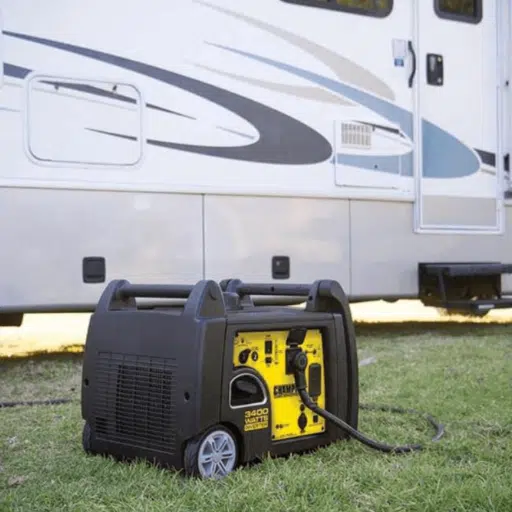
A generator for recreational vehicles is very handy because it eliminates the problem of providing electricity for motor homes where plug-in power supplies are unavailable. Such types of generators are very compact and light and are also designed in a way to provide other features of an RV, i.e, Air Conditioners, Fridges, Lighting’s and many other appliances that an RV can carry. Most of the RV units have gasoline, propane, or diesel engines; therefore, when camping, you don’t have to worry about what fuel you have, and you can use them with generators. Apart from that, they have features like quiet operation, compactness, portable devices, easy to work with and maintain, thus providing the users with camping, road trips, off the grid, and uninterrupted power supply. Due to the development of technology, the modern version of the RV consists of predominantly silent machines with fewer polluting elements; hence, electronic device users appreciate being highly mobile.
Types of RV Generators
There are three main types of RV generators: gasoline, diesel, and propane.
Benefits of Using a Portable RV Generator
Ease and Portability
It is also clear that RV generators are small and light, therefore making it easier to carry around, store, and use whenever required. This helps a lot as you do not need to worry about getting to run your combustible car, plugging in an RV motor, or connecting to top outer generators for power.
Dependable Energy Source
By having a portable generator, one can rest assured that there is no power outage during vacations or even when there is a disaster. When it comes to remote camps and power failure, the generator will help out because that is what rv vs home generator is for.
Economy of Fuel
The advancements in technology have seen the construction of modern RV generators that are more economical in their fuel consumption and can run longer on a single tank. This, in turn, reduces the amount of gas used and therefore the costs of operating.
Low Noise
Most portable RV generators have even been equipped with built-in levels that help them keep noise levels at bay. This is an added advantage of using an RV vs a home generator and particularly in camping, where the soft nature should be enjoyed without any disturbance.
Environmental Alternatives
Eco–friendly portable generators, such as those utilizing propane, can provide electricity more efficiently, emitting fewer toxic gases. These options can help maintain environmental integrity by still offering the energy necessary for your RV trips – and adventure is not any less fun when it is oriented towards saving Mother Nature.
Home Generators Explained

What is a Home Generator?
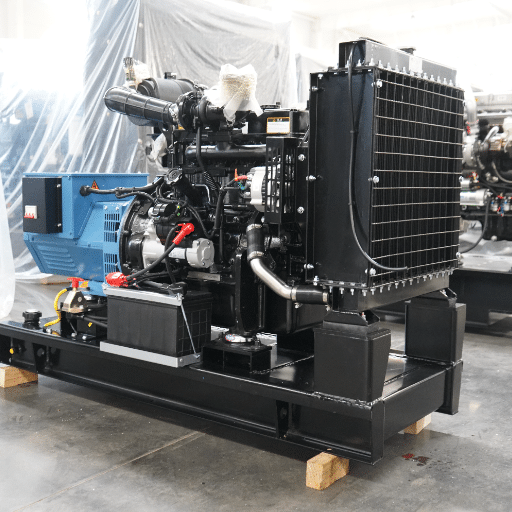
A generator is a machine used in a home to supply power whenever the electrical supply is down, or when it is impossible. It uses mechanical energy and converts it to electrical energy, and this usually involves burning fuels like gasoline, propane, or diesel, or natural gas. Today’s house generators are never without even smart features, such as auto-transfer switches to take over when the current isn’t there. This means that homeowners can ride out power outages with appliances like coolers, air conditioners, and respirators when they need them most. This, along with technological improvements, has seen the invention of quiet units, use less fuel and, as a result, cause very little air pollution. Hence, home generators continue to be one homogeneous solution for the energy problem, as often more fuels other than gas will be needed.
Types of Home Generators
Home generators can be categorized into portable generators, standby generators, inverter generators, and solar generators.
Advantages of Home Generator Systems
Comparative Analysis: RV Generators vs Home Generators

⚡ Power Requirements for RVs and Homes
An RV vs a home generator has different power requirements, precisely because their utility and responsibility for energy are wide apart. The use of RVs involves the access of portable generators which average around 2,000 watts as a bare minimum and 4,000 watts as the maximum, as some of the appliances, such as air conditioning and lights, are expected inside. These devices are developed to provide temporary power when traveling.
It is different, however, with home generators since some of them can be used to supply more energy, from about 5,000 up to 20,000 watts or more, all depending on the house size and the number of appliances to be used therein. In case of an outage, whole-home standby generators help in heating, ventilation, and air conditioning systems, refrigerators, water heating systems, and other appliances that need electricity, ensuring continuity of power for a long time.
Another pattern that is gaining acceptance is using hybrid generators as well as solar-powered ones for the twin purposes of generating electricity for homes and recreational vehicles. This is because it offers flexibility and environmental friendliness. Recognizing how much power you as an individual apply, depending on the case of using a particular generator, ensures that the best generator in terms of performance versus cost is chosen.
RV Generators
2,000 – 4,000W
Portable Power
Home Generators
5,000 – 20,000W+
Whole-Home Backup
⛽ Fuel Options: Propane, Diesel, and Gasoline
With respect to the source of fuel, it must be noted that the generators can be powered primarily by gas, propane, or diesel, and each of these has pros and cons. In particular, propane is considered the cleanest fuel among the three since it burns more cleanly, especially since long-lasting storage is needed, as this kind of fuel can be stored for an indefinite period. Another concern is that propane generators, in terms of performance, may be the least effective in producing electricity. In comparison to other fuels, due to fuel efficiency and the ability to power large engines, diesel is often the choice for industries operating for days on end. The engine of diesel machines usually performs better by lasting more hours and being productive with high loads, though it is not preferred because of the environmentally unfriendly exhaust emissions. As far as gasoline is concerned, it has the advantage of being found with relative ease, as it is quite common, which makes it an ideal fuel for small and or portable generators. However, this fuel is more flammable and could lose its usefulness faster, and for this reason, one has to take some maintenance measures and is forced to replenish the tank more frequently.
Determining the appropriate fuel for a generator primarily depends on factors such as the location of usage, the availability of fuel and the amount of power required, if it matters the least, also environment, and how often the generator is used. For instance, if the equipment is going to be used once in a while during power outages, then gasoline is since it is available almost anywhere. However, propane, on the other hand, is suitable for longer-term storage. When it is comfortable to use the generator often in high load conditions, the number 1 fuel in this case is diesel. Depending on some or all of the above points, an appropriate fuel for the usage conditions can be chosen.
Gasoline
- ✓ Widely available
- ✓ Affordable
- ✗ Short shelf life
- ✗ More flammable
Diesel
- ✓ Fuel efficient
- ✓ High load capable
- ✗ Higher emissions
- ✗ More expensive
Propane
- ✓ Clean burning
- ✓ Long storage life
- ✗ Less efficient
- ✗ Tank required
💵 Cost Considerations: Initial and Long-term Expenses
Operating either an rv vs home generator has two costs associated with it – that of buying as well as that of using it. The price of a generator will depend on the kind of fuel that is required to run it, the size, the work required, and the power output. However, bigger and diesel tend to be more costly. However, the expenses for the two generators may not remain the same over the years due to their operation and service requirements. It is clear that propane or natural gas-powered generators are cheaper in servicing these days; however, they can be slightly expensive as far as the consumption of fuel goes within certain areas. At first, diesel generators seem expensive, but they are made in a way to is very economical on fuel and long-lasting, hence they are efficient when it comes to direct usage. Settle for the most affordable choice by factoring in all the prices to include, the quoted price, fuel, repairs, and maintenance of the generator in the long run.
Portability and Size Considerations

Evaluating the Portability of RV Generators
When comparing RV vs home generator solutions, consider examining the ease of transportation, refueling, and plugging into a source of power that requires the appropriate adapter. Usually, a portable inverter generator produces lower noise as well as consumes lesser amounts of fuel, besides producing relatively purer power for the fragile electronic appliances; therefore, it is suitable for RV parks and travel trailers. Motorhomes are typically fitted with built-in RV generators, which save on installation times but rob in terms of portability. Think about the possibility of one person’s ability to pick up the generator, the possible dual-fuel operation of gasoline or propane, and sufficient coverage of ventilation to prevent carbon monoxide, given the power required for comfort at camping.
Size and Wattage Considerations for Different Applications
One of the most commonly asked questions by most individuals when they want to buy a generator is the correct size, as well as the durability for the different purposes of the generator. Presented below are five basic functions and their basic ranges.
Since such equipment can be accessed and users will need to understand the difference between power consumption for an RV vs a home generator, this can be easily done when assessments are done, and various suitable sizes and power generators are bought and translated out wherever they need it.
⚠️ Noise Output as well as Carbon Monoxide Issues
As you purchase a generator, make sure that low noise levels and carbon efficiency are complied with. Power sources cannot be termed as silent, though modern ones have been developed to emit as low as 50–60 decibels, which is not different from a speech sound. But it should be noted that the old or those with higher power capacity might not be so, and that is dependent on the environment where one is placed.
Carbon monoxide (CO) is a combustion gas emitted by generators and is deadly to human health. It is also colorless; however, it is odorless, meaning that it cannot be detected with the naked eye or any other sense. In light of the prevalent level to which the term is applied or the conduct of users towards safety organs and measures, it is best practice to utilize them outdoors or indoors, devoid of carbon monoxide or with ample ventilation. Other pitfalls that come with these equipment designs are already such, with the cut-off of inbuilt intelligent and improved design boxes, which are practically all these designs.
Noise and safety limits are means of using the generator, and in this case, it has the splendid advantage of its usage. As such, having understood these and other like dangers of power tools, it is important to remember not to skip the said preventive measures, and if possible, even try to reach for enhanced versions in order to achieve even better results.
Choosing the Best Generator for Your Needs

🎯 Identifying Your Power Needs
To decide which generator to purchase, consider the total amount of power that will be required at peak to sustain basic equipment and all the appliances. The first step is to make a list of the requirements during the blackout, such as the refrigerator, lights, heating, and some medical devices, and take note of their wattage to start and operation/ consumption. While in other instances, this works just enough for family members with the use of a light and a fan with a rechargeable generator, other standby generators are supplied for dedicated power to every part of the home. In this manner, it will be possible to determine the adequate power rating of the generator, ensuring that it will not overuse or waste the supplied fuel. Buy the appropriate model that matches your power requirements without focusing on the excess capacity, unlike in the case of rv vs home generator.
🚐 Best RV Generators for Different Scenarios
Different types of generators have different strengths and weaknesses for different people based on their preferences and their RV vs home generator needs, which can, for example, be quiet, be portable, have larger power output, or be affordable.
🏠 Factors to Consider When Selecting a Home Generator
In considering a home generator to purchase and install, it is important to note the following further considerations that are associated with the generator to suit one’s needs:
Homeowners are examining these aspects; they are looking more at the generator option that has high energy efficiency, is quiet, and eco-friendly in order to maximize comfort and reliability.
📚 Reference Sources
- Sound Quality Engineering for RV Generator Sets – Discusses sound quality engineering for RV generators and their applications.
- An Electric Generator Driven by a Roof Ventilator – Explores generator performance, which can provide insights into home generator applications.