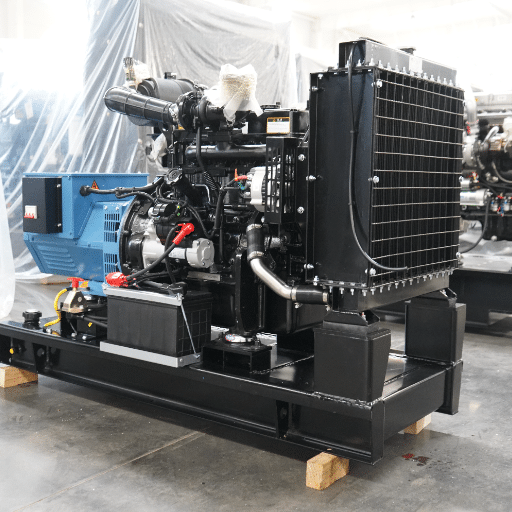


Selecting a generator for your home is a major decision when it comes to having uninterrupted power during outages. View more stand by the reasons for the dissimilar features, benefits, and drawbacks of these residential generators, which do you think is better for your needs. The article will help you know between portable and stationary generators, and you are getting the same power, whether one is more convenient or has better long-term reliability is up to you. The price factor will also play into it so that you know if you are shelling out the money, you won’t have to compromise on power output, convenience, and long-term reliability. The real test of time is also going to be if it was an old standby, your grandfather used it, and it still works. Get all these questions answered down here by comparing on every single spec point that we are going to cover in the coming lines.
Portable Generators and Stationary Generators
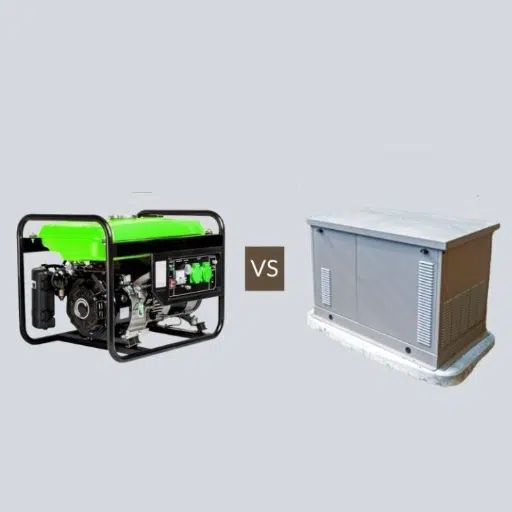
Portable generators with portability and typically driven by gasoline or diesel are the object of their design. These are considered the best for the temporary power requirement like short-term outages or outdoor events. Generally, these are more budget-friendly, and the only thing that needs to be done is setting up the genset. The disadvantage is that it is still necessary to fuel the generators and operate them manually. The average power output is somewhere between 1 and 10 kW which is very good for most of the household applications.
Stationary generators, which are also known as the standby generators, are the kind of generators that are installed permanently and are connected directly to your house’s electrical system. They are run by natural gas or propane and they switch on automatically whenever there is a power cut. Even though they come with the disadvantage of having a higher purchase price and needing an expert to install them, stationary generators are the superior option when it comes to dependability and power output, with the latter usually being 7,000 to 20,000 watts or even more. Hence, they can be used for bigger houses or for many appliances at the same time.
What is a Portable Generator?
A portable generator, a multifunctional and easy-to-use machine, is mainly used for providing electric power when the main grid is down or is not available. The internal combustion engine of these generators is powered by gasoline, diesel, or propane. The power output provided by portable generators falls within a range of 1,000 to 10,000 watts which makes it suitable for low power loads, or for operations of small appliances such as refrigerators, lights, and medical devices.
They come with the usual power outlets and will take you one step further by including all these nice features and functions like the circuit breakers and the low-oil shutdown sensors. Besides the fact that portable generators are less expensive and it is no trouble at all getting them from one place to another, they are limited to working in a well-ventilated place or at the open air. The situation is made even better by the inverter tech which makes power cleaner with less noise besides allowing sensitive appliances such as laptops or mobiles to work safely on it.
What is a Standby Generator?
A standby generator, also called a backup generator, is a unit permanently installed to a building’s electrical wiring system to provide alternate electricity from an external source during power outages. A backup generator differs from a portable generator in that it is directly connected to the main electrical system of the house and is usually powered by natural gas or liquid propane. An automatic transfer switch is a vital element in standby generator systems which upon blackout; activates the generator, giving power in less time compared to manual means.
These tools are able to deal with the increased energy requirements, including the necessities of heat, cold, refrigeration, and the like. The contemporary standby texts are manufactured having the characteristics like weather-resistant cases, remote monitoring capabilities, and high load management for the purpose of ensuring efficient and reliable operation. The fit of these machines is so perfect that it becomes impossible to differentiate between the operation of the machine and the machines of the facility itself because of the very good quality of the machines. The above all, their continuous and dependable supply make them indispensable for the very sensitive sector and the areas that are likely to suffer power supply interruptions frequently.
Key Differences Between Portable and Standby Generators
| Feature | Portable Generators | Standby Generators |
|---|---|---|
| Power Output Range | Lower, typically 1-10 kW | Higher, up to 150+ kW |
| Installation | No installation, plug-and-play | Requires professional installation |
| Mobility | Easily transportable | Permanently installed |
| Runtime | Limited by fuel tank capacity | Continuous, connected to fuel supply |
| Fuel Options | Gasoline, diesel, propane | Natural gas, diesel, propane |
| Activation | Manual start required | Automatic transfer switch activation |
| Cost | Lower upfront cost | Higher initial investment |
| Maintenance Frequency | Requires frequent manual maintenance | Lower, automated maintenance options |
| Noise Levels | Louder due to open frame design | Quieter with soundproof enclosures |
| Use Case | Temporary or emergency usage | Long-term, critical power supply |
Advantages of Portable Generators

1Versatility
These units are the master of all trades and can operate on a wide range of premises, such as households, outdoor events, construction sites, or disaster recovery situations to name a few.
2Cost-Effective Solution
Portable generators are a great choice for temporary power needs once the initial cost is considered to be one significant advantage over stationary backup systems.
3Mobility
Portable generators designed for ease of transport can be moved from one place to another and used as power sources, offering the emergency flexibility or the needed power at remote locations.
4Quick Deployment
Portable generators are convenient for users in the process of being set up because they need to connect the cables and the motor or the engine and then turn on the power without any further deliberation.
5Wide Fuel Options
Portable generators are typically multipurpose power devices powered by different types of fuel such as gasoline, diesel, or propane which provide the greatest availability of fuels.
Flexibility and Mobility
Portable generators are designed to be versatile and useful, and the presence of one may save the day in various situations. New models may be small with a light or moderate build, but they can be strong and have wheels and handles designed for easy movement over various types of ground. Such engineering makes them fit into places from construction sites to campsites with little labor. Also, machines are being developed to provide storage of the handles and hence good energy together with low fuel consumption, at the same time improving both ease of use and life expectancy. This flexibility is what guarantees steady power solutions for the customers, no matter the spot or the situation they encounter.
Cost-Effectiveness
To balance affordability and ability to provide energy for different purposes, the manufacturers of the present-day portable generators use a design that sustains the range. Improved technology has become a factor in reducing costs, whereby to produce a quality model and still, competitively priced manufacturer have felt. Other than that, its effectiveness is increased through a more economical fuel-consuming method of operation, thus, having the same operating cost but with the time going by, the fuel consumption is less. The component and repair costs are cut back as well as the maintenance expenses, in the long run, when the new gadgets are used continuously, due to the benefits.
The aforementioned apparatus is like a lifesaver for those who live in the most remote of areas. That it is also very handy in case of emergencies is another huge point for its cost-effectiveness, as it can also totally make the same service providers unnecessary when the grid extension comes to such huge costs. And the mentioned things were then put together to highlight the financial benefit of having portable generators integrated with individual and commercial operations at the same time.
Ideal Use Cases for Portable Generators
Portable generators are a must-have in multiple situations, especially for providing energy when there are no good power sources or when there are power failures. In homes, they are very important when there is no power, as they keep the main appliances running such as the fridge, the lights, and the medical equipment. This becomes a life-saver in areas that experience natural disasters/ harsh weather conditions and power failure is common.
Carrying it around in the trunk of the pickup and having a powerful source of electricity on the construction site free of the grid is great with portable generators for powering of tools, lighting, and heavy equipment. Their mobility and tough output make them perfect for the development and operation of the projects in isolated locations. The same applies to professional events such as festivals, fairs, or weddings, which require portable generators to run the sound systems, light shows, and catering equipment trouble-free.
Portable generators are a significant lifeline for small companies. They help minimize downtimes and saves the business from losses even when power outages happen unexpectedly. In addition to this, such machines are habitually employed in agriculture to energize irrigation systems, grain dryers, or barn equipment in the areas not on the grid.
Advantages of Standby Generators

1Reliable Backup Power
A comparison of standalone and portable models proves that the energy availability of the former is much better than the latter in the event of power outages.
2Automatic Activation
Standby generator users can rely on the source of power notwithstanding the power cuts. Automatic transfer switches in standby generators will take over the power load instantaneously, while manual intervention is not necessary in any case.
3High Power Capacity
Standby generators, made to withstand considerably high electrical demand levels, can provide power to whole buildings or only the essential systems and are, therefore, suitable for both residential and commercial uses.
4Fuel Efficiency and Choice
Typically, these generators operate on either natural gas or propane, which implies extended running times and generates no necessity for as frequent refueling as is the case with portable generators.
5Enhanced Safety
With their permanency of installation and enclosure, as is the case with standby generators, the risks of unsafe usage or external factors (weather) are greatly minimized, as a result of which the generators become not just a reliable but also a secure and a long-term power solution.
Automatic Power Restoration
Standby generators are used to maintain power even during outages by the use of automatic transfer switches. This is done by systems that constantly observe the power grid and inform of breaks instantly. If there is a power break, the transfer switch starts the generator very fast and electricity gets back to critical circuits in one or two seconds. The future generation of technology incorporates the smartest sensors and smart technology which needs to eliminate the existing problems of delay and efficiency. What is more, a lot of the new devices provide a possibility to be monitored and controlled remotely, which means that the users can always be informed about the performance metrics and the operational status through apps and platforms. The fusion of automation and monitoring guarantees that the power supplied will be reliable and(continuously pumped and made available) with as little user interference as possible.
Higher Capacity for Home Backup
The up-to-date household power backup systems are now made in such a way that they can take a much higher power demand, as the home becomes more and more dependent on energy-intensive appliances and smart technologies. The power of the new-age generators and battery systems includes the range of 10 kWh to more than 20 kWh, which is enough for the essential circuits and some of the heavy-duty appliances like HVAC systems, fridges, and EV chargers. The industry has now given a green signal to the lithium-ion battery systems because of their small size but high energy density, generally longer lifespan, and quicker recharge qualities. Moreover, the systems can be extended simply by adding more battery modules; thus, the system remains adaptable to future needs. The increment in power and adaptability together ensures that the energy backup of the modern household is accomplished in a smooth and continuous manner.
Installation Considerations
The installation of a modern battery storage system requires a thorough evaluation of some critical factors in order to guarantee both optimal performance and safety. One of the most decisive factors is the installation site of the batteries where the latter should be in a place which is well-ventilated, temperature-controlled to prevent overheating and to expand the lifespan of operation. The next thing to keep in mind is that one should not forget to follow local and national electrical codes since they are what usually determine the wire, location and even the protective enclosures specifications that the system shall have.
The compatibility of the solar power systems that are already installed has to be checked to maintain the smooth connection of equipment and at the same time there should not be extra load on the inverter. Moreover, certain other elements will also have to be added to the system, such as battery management systems (BMS), and it becomes very important to monitor and regulate the charging cycle while protecting it from situations such as undercharging or overcharging. Furthermore, the homeowner will be provided with tools that are able to monitor the energy usage in real-time hence the system efficiency is also monitored. The maximum reliability and longevity of energy storage solutions can be achieved if the correct installation and compliance with the industry standards are conducted in detail.
Evaluating Your Power Needs

If you really want to figure out your power needs exactly, the very first thing you have to do is to figure out how much energy you are consuming on a daily basis. You would have to refer to your electricity bill to get an estimate of your kilowatt-hour (kWh) usage. Once you got that, electric appliances and devices that need to be powered up have to be recognized and the overall energy requirement has to be estimated. One should also plan for the time when the peak power is required as it will affect the size of one’s energy system. Finally, think about the additional energy goals you may want to set in future like having a fleet of electric vehicles or more storage of energy so as to ensure that the system you are designing is going to be of the right capacity in order to be economical and reliable in the long run as well.
Assessing Power Requirements for Home Backup
Determining the electrical power consumption of a backup system for a house requires a systematic analysis of the most important systems and their power requirements. One should start with all the appliances that are really necessary such as refrigerators, heating systems, medical equipment, and lighting. Every device should be analyzed in terms of wattage, which is usually specified on the device nameplate or in the manufacturer’s manual. It is important to indicate not only running (continuous) wattage, but also starting (surge) wattage in the case of air conditioners, well pumps, etc., to avoid insufficient power estimation.
For instance, a typical refrigerator might require something like 700 watts continuously, but might have its burst power jumping to 1,200 watts. Similarly, a house heater can need about 1,500 watts, and also, a large amount of power when it starts working. Checking the sum of maximum power consumption for all the devices ensures that the backup power fits right in.
Moreover, the length of the possible disruptions should also be considered. If the outages are short, then the backup need can be covered only by a small battery system or a mobile generator. By contrast, when outages are long, the required solutions will be of a higher capacity, including a standby generator having enough gasoline or diesel as well as solar panels and batteries or other renewable energy sources. For further reliability, moreover, a 20% safety margin provides for the case of unforeseen failures or load surges.
Understanding Power Outages and Their Impact
Out of several reasons, the power going out is due mostly to the weather, then infrastructure, or demand. Among different weather severities, hurricanes, ice storms, and high winds are the top three that cause power outages quite frequently, which normally can be the result of the power lines being down or the substations damaged. The electricity supply can also be interrupted by the old-age or non-operational equipment, and the lack of maintenance work done. At certain points, the demand for electricity that is very high, especially on very warm or very cold days, can overload the system and cause a blackout or total outage. According to the weather-related causes of the power outage that cases on a global scale, the data from statistical analysis is about 70% which requires a lot of emphasis to be put on resilient grid infrastructure and energy resource planning that is well balanced, indeed.
Choosing Between Portable and Standby Based on Usage
When it comes to the selection between portable and standby generators, the situational use, power needs, and expectable realities are very big factors. A portable generator is generally the better choice for short-run and multifunctional applications, such as acting as a power source for the crucial home appliances in the event of a power outage or even offering support at outdoor events. They are moveable, the cheaper option of the two, and installation is very simple; nevertheless, they tend to be a less powerful capacity-wise, and the operating time is shorter compared to that of the standby models.
In contrast, backup power supply systems, also referred to as standby, are the devices that are turned on the moment there is no grid power and remain on at all times as they operate automatically. They are often custom-installed and are directly hooked up to your house or office grid, so the power switch when a black or brownout occurs is nearly invisible. Their capacity is big enough to back up major equipment of buildings, such as heating and air conditioning units, hospital equipment, and plant machinery. A sort of recent technology is indicating that the backup power systems with the inverter kind of technology are more fuel-efficient and eco-friendly, so they are mostly being used where the supply is not reliable and the demand is high.
Making Right Choices

When it comes to choosing a portable or a standby generator, you need to consider very different things, like your power needs, installation, and money. Portable generators are the cheapest, most common, and perfect solution for an unstop source of power whenever there is a brief outage. They are your responsibility for the whole time they are in use, and they are to be replenished manually and are the best when it comes to saving on space for there for a limited time or in a smaller residential setup.
In contrast, standby generators are installed permanently and activate themselves automatically during a power blackout. They can deal with higher energy requirements and afford continuous power without interruptions to critical systems such as air conditioning, heating, and essential appliances. Despite the fact that they need a bigger lump sum of money at the start and that only professionals can install them, standby generators are a better choice for the case a person in need has to use the facilities for a long time or with frequent cuts.
Factors to Consider When Choosing a Generator
1Power Output Requirements
The first step in selecting a generator is to determine your energy requirements and following it strictly. Calculate the wattage required to fuel your essential appliances, tools, or systems during a power cut. The power rating of portable generators is usually from 2,000 to 7,500 watts, whereas that of standby generators, as known, can be 10,000 watts or more, the latter being able to support whole-house installations or even commercial systems without getting overloaded.
2Fuel Type and Availability
Generators toil on contrasting sources of energy, for instance, gasoline, diesel, propane, or natural gas. All the sources of energy have their own strengths and weaknesses. To give an example, gasoline is most common, but its shelf life is short, while propane and natural gas are cleaner burning and more efficient in the long run. The three factors that play a key role in deciding the most environment-friendly type of fuel for a generator are- storage, availability in your area, and costs.
3Run Time and Efficiency
A generator’s runtime at a 50% load can considerably affect its performance, especially during long power outages. Usually, larger fuel tanks mean longer operation but they might also make the generator bigger and heavier. Some gensets are equipped with cutting-edge fuel-saving features so that they can provide longer uptime by consuming the same amount of fuel.
4Noise Levels
Noise emissions, quantified in decibels (dB), are significantly crucial in the residential or quiet working environment. It is a fact that generators with latest noise-dampening system or enclosed constructions usually have much less noise compared to older model machines down to sound levels of 50-60 dB.
5Automatic Transfer Capability
In the event of an outage, the standby generator with automatic transfer switch (ATS) will start up and switch power sources immediately. When running critical systems, the ATS can prevent downtimes altogether, thus preserving the safety and functionality of the facility.
6Cost and Maintenance Requirements
Because beyond the point of acquisition of a generator, one must also contemplate the long-term implications of maintenance, fuel, and probable repairs. Giving a machine its proper routine maintenance, like changing oil, renewing air filters, and using fuel stabilizer, is very important in order to guarantee its peak performance and longevity. Also, high-quality ones are usually accompanied by long warranties that give added peace of mind.
Final Recommendations for Homeowners
To decide on such question, one needs to make a comparison between one’s need power requirements, financial constraints, and habits of living. Portables give one flexibility and might be the most inexpensive way out of temporary or not too frequent energy cuts. Although setups are easily done, they are not capable of powering your whole house, just some house appliances that are necessary for you. Standby units, on the other hand, are ready to go and need little maintenance, thus providing continuous power, but they are more expensive, requiring a professional installation and regular checkups as well as having to maintain a 24-hour fuel supply.
Standby generators, conversely, are permanently set up and are specifically made to operate automatically without intermission during power failures. They are particularly recommended for those who often lose electricity and for those who need non-stop power for medical machines, home offices, or large appliances. Standby generators are, however, much more expensive both in terms of initial cost and installation; they are also the more reliable and lower upkeep option in the long run. On top of that, quite a few of the latest models incorporate high-tech features like monitoring through Wi-Fi and quieter operation, thus further increasing their functionality.
In the long run, one should consider the balance of the initial and running costs with the performance as well as the other factors like availability of the fuel type, the ease of the use, and the likelihood of the house to have a resale value in the future. The free advice for the homeowners is to confer with the authorized professionals so that they will get the right size and installation of their choice, thus maximizing the efficiency and safety of the generator type selected.
Reference Sources
- Portable Self-Sustaining Electric Generator
Read the document - Energy Generator Exploration Station Senior Project Report
View the report
Frequently Asked Questions (FAQs)
What are the pros and cons of choosing a home standby system?
Home standby systems have become increasingly popular for homeowners looking for a permanent backup solution that covers their whole household, including air conditioning and a water heater, and one of the main benefits is that they are set to come on automatically during a big outage. Besides, there are also some cons such as the fact that they require higher installation costs and that they have to be permanently installed outside at places where fuel lines or diesel generators are found. The homeowner will probably need an electrician for the work and might also need a transfer switch or an interlock kit or at least a power inlet to properly manage the power connections.
How does a home standby generator compare with portable options?
A home standby generator, such as many of the Generac models, which gives automatic backup power and is meant to be set up permanently outside, a portable generator is a different class. Standby units avoid extension cords and reduce the need to run fuel lines to portable units, but their installation cost and the need for an electrician and permits are higher. The case when your home sump pump and central air are to be powered along with everything else in the home during a long-lasting power cut, a big standby or whole-house generator is a more fitting backup option with the homeowners.
What installation and safety considerations should I be aware of for backup power systems?
When deciding to acquire backup power, the total cost of ownership including some labor and electrical work done by a licensed electrician should be added to the list of considerations, and installation of an interlock kit, or transfer switch. Safety aspect goes along with preventing other than electrical hazard accidents: that is to say, it is important that the person operating the generator is not exposed to poisoning from exhaust gases and/or carbon monoxide through the use of these devices indoors only, and the unit in use shall be located outside and far away from doors and windows.
How do electrical hookups differ between portable and stationary generators?
Among the various types of electrical hookups, the way portable generators get connected is with the help of extension cords or power inlets and sometimes it demands manual operation, on the other hand, home standby stationary generators are directly incorporators in your home systems and this is done through a transfer switch that is mounted by an electrician. For the system to work safely interlocking kits are used in the case of a home panel being connected to a generator, and when it comes to the standby systems the risks from extension cords or improper connections that might create backfeed utility lines are avoided.