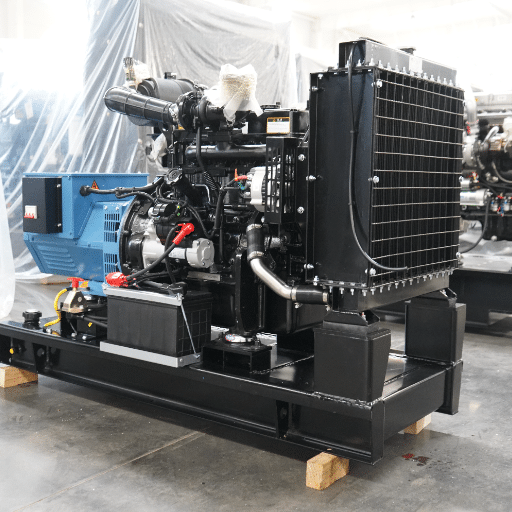


Generating power for industries is an activity in which diesel generator is greatly involved. This can for instance being the emergency power back up for the hospital’s system or mechanizing core tasks for communications and roads maintenance purpose in a remote area. Nevertheless, in the activity of its usage, a key attention deserving factor is fuel filter maintenance—a factor which is much neglected. Not keeping the fuel filtration system in good working condition often develops harsh complications, impairing performance in some instances. Fuel filters are the focus of this article, explaining why they are essential for the safe use of generators. Also, consider the importance of care of the object and some answers to this issue which will help you to maintain, or even improve in some cases, this system. At the end, it is hoped that fuel filters maintenance cannot just be recommended it is mandatory to secure the investment and assure unfailing service provision.
Introduction to Diesel Generators and Fuel Filters

A key component of the generators that work with diesel fuel is a fuel filter. The purpose of the fuel filter is the protection of the engine from dirt, rust, water, and other harmful substances. These substances on the diesel fuel might be present in the fuel as it is stored, during transportation and due to the weather changes and increase humidity. The engine’s combustion efficiency is lowered when impurities in the fuel combine with it, leading to power loss. This problem may escalate to the extent that highly hazardous contamination will damage and destroy the engine components. Fuel filters are installed as an answer to this problem, to help clean the fuel before it enters the engine of any contaminants. Regular filter replacement can also preserve fuel quality and reduce incidences of breakdown.
Understanding Diesel Generators
The operations of diesel generators involve the conversion of the fuel into mechanical energy, which in turn, gets converted into electrical energy by the aid of an alternator. Such generators are essential in applications such as emergency energy provision systems or continuous power supply in places with limited infrastructure. An eminent advantage of applying them is their lower fuel consumption and better performance as compared to gasoline generators, just to mention some of them. Diesel engine technology has experienced a revolution in the past, making it possible to achieve considerably less in terms of performance and efficient fuel consumption and noise production.
Historical data suggests that diesel engines present an operational capacity that can last for a long period as units which are well looked after often achieving between 10,000 to 30,000 hours of engine run time before a major overhaul is required. They are also suited for different applicable uses, i.e., in industrial plants, hospitals, mission-critical facilities and emergency supplies. This paper argues that if the fuel system, oil filters, and cooling systems shall run for the next so many hours without putting such remedial services, the unit will develop serious problems. It is possible to enhance the potential of operations with effective maintenance strategies such as integrating real-time monitoring and carrying out scheduled maintenance on the equipment thus reducing the possibility of equipment failure.
Key Data Point
Well-maintained diesel engines can achieve 10,000 – 30,000 hours of engine run time before a major overhaul is required.
The Role of Fuel Filters in Diesel Engines
Fuel filters are components that are closely related to engines powered by diesel and serve the primary purpose of cleaning diesel that gets into the combustion system of the engine such as; Diesel fuel, being chemical in nature, always contains solid particles in it, for instance, soil, corrosion, and precipitation, which cause severe destruction to the engines as they are not filtered. Such fuel does not get completely combusted as some of it is deposited on the walls of the combustion chamber. Investigators have also found that water causes hygroscopic corrosion in metallic materials. High-performance filters will not accumulate any such particles thus ensuring that no blockages occur in fuel injectors and also ensuring proper vaporization of the fuel in the combustion chamber even at the invariable state of the vehicle under rough operating conditions.
State-of-the-art filtration technologies have been designed and fitted into latest diesel engines. As such, impurities in the diesel affect these sophisticated systems greatly and thereby can affect their performance. This may also lead to inefficiency and enhanced exhaust gas components, as well as large costs for repairs. There are other studies that demonstrate that effective engine filtration can even save money and time in overhaul of critical engine parts and raise the return of fuel at the same time. In observation of this, regular fuel filtrations and change as provided by the maker need to be put in place in order to enhance its performance. Advancements in this area are being judged with the introduction of filters with very high-depth filtration media and with hydrophobic media incorporated, which adds to the advantages of the fuel filter in the diesel engine maintenance.
Importance of Fuel Filtration
In order to deal with the modern high expectations set for engines, automotive technology is always developed and that now includes very high-tech aspects of the fuel filtration systems. High-pressure systems such as the commonly known fuel injection systems among diesel and petrol engines can suffer the most in times of contamination, leading to blockage and abrasion of parts and in some cases complete braking down of the system. The latest fuel filters include new media which is more effective against particles down to two microns, therefore reducing the wear and eliminating problems associated with gas-diesel direct injections.
In addition, the efficient removal of water from fuel during the process of filtration is a key requirement. Any residue water that remains in the fuel can cause post-combustion damage to the engine and impairment of the fuel combustion process. New types of fuel filters solved this problem by introducing in filters first hydrophobic media followed by several stages of separation, increasing the efficiency of getting rid of the water contamination. It was found that the use of more advanced fuel processing technologies involves not only extension of maintenance intervals but also prevention of such wear-and-tear caused by dust and moisture.
The more demanding installations represented by modern engine systems require as much power and energy as possible and therefore filtration strategies have to keep pace. A more insightful outlook would be that the marketers and operators who are keen on quality fuel should have better life cycle costs.
Common Issues with Clogged Fuel Filters

01
Engine Power Loss
This enhances the attenuation of power delivery by a clogged filter that does not allow enough fuel to enter the engine for combustion power, therefore resulting in reduced power which is seen as poor acceleration.
02
Difficulty Starting the Engine
If the filters are blocked to an excessive level, it may cause a problem of starting the engine because sufficient fuel is not reaching the engine.
03
Irregular Idling
Fuel contaminants until fuel filter passages lead to erratic operation causing improper engine idling or non-uniform idling.
04
Reduced Fuel Efficiency
Inefficient fuel delivery results in consumption, fuel-rich therefore the engine consumes more of the fuel and travels less distance in the end.
05
Potential Mechanical Damage
Physically damaging the equipment is probable due to filter being choked for an extended period thus possible wearing out of the fuel pumping system and probably even the injectors.
Signs of a Clogged Fuel Filter
A clogged fuel filter usually gives a number of symptoms which concur in that they impair the proper functioning of a vehicle. One of the most obvious concerns in this respect is the obvious drop in engine output, which generally emerges in the context of accelerating, driving uphill or constant driving. That is why the engine begins to lose power- the blockage in the fuel system causes the fuel to be insufficient for optimal performance levels. It contributes to the vehicle jerking as well as idling issues, mostly at the higher speeds, as the engine has a hard time coping with respect to the supply of fuel. Lastly, the vehicle can experience no start condition wherein the driver needs to try and crank the engine for a couple of times or the engine cranks for a long time before it starts. Such difficulties and others that arise can then develop further as the more symptoms experienced may potentially lead to the more complicated problems faced with a blocked filter.
Effects of a Failing Diesel Fuel Filter
If not diagnosed and correctly handled, a faulty diesel filter can have negative effects on the engine propulsion, the vehicle’s driving and functional capabilities. This kind of blockage restricts the passage of fuel, consequently causing a decrease in the existing fuel pressure of the system. Consequently, the engine will be able to generate less power (torque), and any form of acceleration would not be possible since the engine struggles to achieve complete combustion because of the inadequacy of fuel. Besides, a reduction in the fuel flow may lead to a poor mixing of air and fuel and hence increased by exhaust gases, and may evoke some fuel system codes.
In order for you to prevent expensive fixes, the possibility of further destruction must be ruled out in cases where you decide to continue using a filter that needs to be replaced. The pump and injectors operate at very close limits and if there is a change in the flow of fuel such as fuel flow decreasing then there is a lateral acceleration of the wear. On top of that, failure to replace a clogged filter exposes the engine to the ingress of filter particulate matter which causes sludge deposition in its key functional areas. Overall vehicle servicing and monitoring the changes in diesel fuel filter effectively is therefore vital as it helps in meeting the prevention of the issues and guarantees its serviceability.
Impact on Diesel Engine Performance
A working fuel filter is meant to avoid any interruptions in the supply of fuel; a diesel engine filter which is affected negatively limits the function of the engine in a number of ways. Most importantly is the limit in the amount of fuel supply which can bring this engine to a standstill, with the engine being unable to produce the needed power especially when under a heavy load that it might not manage to maintain the air/fuel ratio in order to facilitate a complete and harmonious combustion. And when this occurs, it proves to be very disadvantageous even towards the fossil fuel mainly because in the higher shifts the fuel does not burn all the entire fuel/air mixture in the cylinder.
Moreover, today’s diesel engines equipped with digital fuel injectors are very hard to start and require fuel of a certain specification to pick up full speed. Environmental gunk lodging in the fuel including water and foreign elements can interfere with the operation of the equipment since the nozzles are fouled in the process. Moreover, everything points towards the fact that the cost that has to be incurred while attending to fuel injectors is one of the rising problems therein, thus clear the significance of such maintenance practices as preventive fuel disposal. Most applications also suggest that diesel engines with high-pressure fuel systems are at risk if they have a problem that involves other particles, and it can bring fatal breakdowns if these problems are not taken care of.
Fuel filtration system problems, in addition to decreasing performance, often advance fuel guzzling concerns as the engine operates under the conditions where it has to work harder because of the inefficiency. There is an illustration that, in such a situation, with a restricted filter the fuel pump has to undergo more force about the system when working and less energy is conserved, resulting in lower efficiency. The problem of maintenance intervals which determines when service stations should be located with time, is important too and is more critical in diesel engines than other types of engines.
The Benefits of Regular Fuel Filter Maintenance

Improved Engine Performance
The fuel filter removes contaminants and solid compound effectively, allowing the fuel to fill the engine quickly which is why it is essential for betterment or compliance with standards, which is poor. This results in more complete combustion of fuel without smoke emission and less engine vibrations or noises, increasing engine output and its stability.
Enhanced Fuel Efficiency
A well kept-up fuel filter preserves the fuel system capability and thus the fuel injection, and hence increases overall fuel efficiency. This reduces the load on the fuel pump and cuts back on wastage, thereby promoting enhanced fuel economy with various savings in the long run.
Increased Longevity of Components
Continuous monitoring and maintenance of the fuel filter has a positive impact on protecting components from abrasives and the destructive actions of other particles. Service to these components is also minimized saving the parts from breakdown and the system from undergoing costly repairs.
Prevention of System Failures
Act on the fuel systems filters before a problem arises and you will further reduce chances of failure due to fuel delivery hitches. This means that you can trust the vehicle with more predictability of performance and less down time due to engine malfunctioning.
Enhancing Diesel Generator Longevity
To ensure optimum performance and reduce the operational lifecycle of the diesel engine, a Fuel filter plays vital part in diesel generators. A fuel filter is necessary in any diesel engine due to the fact that they are high-pressure engines that are at high risks of fuel contamination. Even the slightest contaminants such as fuel line break particles, water, or any micro dirt in the fuel can cause incomplete combustion, damage the engine parts which will also make the engine less effective. It has also been discovered that the roots of early failure in engine generators are suffocated by bad fuel. This, however, gives room for unnecessary repair expenses and non-productive periods.
Advanced fuel filters have gotten significantly better as the world of diesel generation has changed. By way of case, ultrafiltration fuel cleansers are specially designed to get rid of particles of size 2 microns. These are the filters that provide the most protection against solids reaching the fuel injectors and pumps that is causing the wear and tear. More importantly some of those filters are equipped with water separation systems (water absorbing separator or free water extraction covers), making the issues of corrosion and microbial growth insignificant, especially in a multitude of adverse operating conditions, such as cold or salty climates.
Improving Efficiency of Diesel Fuel Usage
Enhancement of the operation of diesel engines is not the only purpose for which it is necessary to provide durable modern fuel filters. Fuel use efficiency is one of the main goals of introducing these filters. Efficient transportation of clean fuel, excluding particles of dirt, sludge, and water, is achieved by way of a fuel filtering system, and the operating efficiency of the engines is maximized as such. It is documented that the fuel not being of the best quality raises the changes of good quality combustion. Thus the waste is cut in half and the fuel efficiency is boosted. It is very beneficial to apply suitable air filters as these types of filters naturally changes the way fuel is delivered to the engine.
In that situation, the fuel system of the vehicle doesn’t have fuel flow changes that differ from the ones that were originally designed, which may cause further damages to fuel-system components like fuel injectors. Therefore fuel system does not cause drastic swings in engine load, hence reducing the cost of all types of fuels. Reduces all components maintenance schedules and costs can also result, as fuel filters create a normal fuel consumption routine and prevent it.
Preventive Maintenance Practices
It is extremely important to maintain fuel filters by replacing them before they break down since their failure can impact engine performance and lifespan. It is also crucial to regularly service the car’s fuel system by vaccuming the tanks and replacing the fule filters. Preconditions in the form of dirty or clogged filters could make it hard on the fuel and hence force the engine. High-quality filters of the right with vehicle specs improve performance and stability. It is also possible to check the fuel system for pressure to identify if the fuel filters required cleaning.
An increasing pressure is often an indicator of a decrease in the flow rate, which means that there is a need to dispose of the system effectively. The use of fuel flow meters and other tools that can be tracked to determine abnormal consumption of fuel, have the ability to tighten the endpoint fault location further before taking any further steps. Furthermore, a fuel tank free of impurities plus additives that suck off excessive water and prevent debris from mixed with the fuel will greatly lessen the load on the fuel filter. In case of proper introduction of the first set of measures, good engine operations can be guaranteed and the need for unplanned reparations is usually reduced, which result in the ultimate cutting of maintenance bills and lengthening of the vehicle’s operative period.
Best Practices for Fuel Filter Replacement

The replacement of fuel filter is an easy procedure if and only if safety and performance are observed. Initial relief in fuel system pressure is necessary in order to prevent theft or accidental leakages. Subsequently, the fuel filter is located position in the car is confirmed as the position changes depending on the type and the model and the best way to locate it is by using the manufacturer’s service manual. The old filter must be carefully disconnected from the fuel line, with attention being paid to how it is interconnected. It is important to bear in mind the relevant orientation of the filter during its connection. Before installing new fuel filter into place, please verify that the area is clean and free of any contaminants. After you secure the item, you should then check the whole system by starting the car to see how the filter functions, and if there are any faults it could be caused by fuel leaks.
Step-by-Step Guide to Replacing a Clogged Fuel Filter
Relieve Fuel System Pressure
Before releasing fuel pressure, one must discharge fuel to avoid any possibility of the fuel spurring. Identify the fuse block or any other fuel pump fuse if any and remove it. Crank the engine while the vehicle is already on, then the engine should run for only a short duration before stopping. This is an excellent way to remove fuel lines and their pressure. And also remember to switch off the ignition and restore the relay or fuse when the activity is finished.
Locate the Fuel Filter
Search the fuel filter’s location in the service manual if you are unsure where to find it. In most models, the fuel filter is located typically away from the engine. This can be below the vehicle with the fuel tank or inside the driver’s compartment under the hood. However, for many new vehicles, it may not be visible as it maybe located inside the fuel pump assembly and will require some special techniques to be removed and replaced.
Disconnect Fuel Lines
When you have located the filter, the first thing to do is to disconnect the fuel lines. Present-day cars have modern mechanisms such quick-connect fittings, hence the need for specialized tools to be employed for the operation of taking fuel lines apart. Have a container at hand, and anticipate spilling the fuel within the area, wiping it with cloth so as to reduce possible mess. Procedures must be followed through in a specified manner, so as to accomplish a successful task without any mishaps.
Remove the Old Filter
All guidelines should help one overcome the removal of brackets or clamps using wrenches or any other useful appliances. Gently pull put the old filter without any dirt getting into the fuel lines. Look at the area around to check if it needs repair, may display signs of corrosion or may look as if it needs updating.
Install the New Filter
Always conduct a thorough check on the replacement filter against the data of the old filter before fitting it. Pay meticulous attention to the arrow indicating the flow direction of the filter housing and ensure correct placement. Fit the filter with ties or other elements tightly in position to avoid any kind of motion in it.
Reconnect Fuel Lines
Also check if all the fuel lines have been connected to the new fuel filter properly. If your new filter uses quick-connect fittings, make sure you hear an audible click while installing indicating proper seating. Go back and recheck all joints for tightness to prevent any chances of fuel leaks later.
Test the System
To install the fuel pump, and the whole fuel system in position, turn the ignition switch to the “on” position, without starting the engine of the vehicle. Check the entire system for evaporation or dripping of fuel. Serve peace of mind gives ignition to the engine to run it for the observation of modifications for the better.
Scheduling Regular Fuel Filter Maintenance
Appropriate treatment with the fuel filter in the automobile is another pro-active measure aimed at increasing the lifeline of the vehicle and in ensuring it’s kept in good order. Indeed, according to some of the motor vehicle manufacturing companies, fuel filters should be substituted every 32,000 – 48,000 km, i.e., after approximately 20,000 – 30,000 miles depending on the consistency of the car and the driver’s averaged distance. Nonetheless, with regard to specific applications, for example, for the vehicles in dust-laden area or in a heavy stop-go traffic area, it may require inspection for replacement very often depending of the on that specific area.
Regular checks make sure that the fuel supply system is free from dirt, and any agitation and clogging are easily remain eliminated. Moreover, such fuel impurities also only contribute to increased consumption, cough and clog the system probably leading to maintenance of an ineffective system. If this part of the vehicle is not checked properly and not in good working condition, it may also greatly affect other systems like the fuel pump causing a shorter life span and higher expenses on restoration. Again, one can refer to the manufacturer’s information and suggestions as is contained in the owner’s manual. When this item has to be changed and when it still looks new, consult an auto serviceman or woman in their field.
Choosing the Right Diesel Fuel Filter

- Compatibility
Fitment of the vehicle and the filter must follow the brand and model. In order to know, check the owner’s manual, or consult the manufacturer or a genuine spare parts dealer.
- Filtration Efficiency
Always ensure that you select a filter with a higher filtration rating as it will help you in the best possible manner of capturing the contaminants. The most recommended micron rating ranges from 2 to 10.
- Fuel Type
Make sure the filter is only purposed for the type of diesel fuel that you use including ultra-low sulfur diesel (ULSD) fuel and blends of biodegradable diesel amongst other types.
- Durability & Build
Ability to Perform in Applications: A superior quality filter with hardly any distortion of the mesh when running for long durations or under severe conditions needs to be the preferred choice.
- Maintenance Requirements
It is better if a filter has some advanced features that make it more user friendly in terms of maintenance for instance water removal incorporated with the filter or present indicators that alert the user of the replacement needs.
Purchasing directly from known brands and manufacturers for better quality and services helps to prolong the vehicles fuel system.
Common Types of Fuel Filters
| Type of Filter | Key Features | Material | Application | Advantages |
|---|---|---|---|---|
| Inline Fuel Filter | Installed along fuel line | Plastic/metal | Cars and small engines | Easy to replace, commonly used |
| Cartridge Fuel Filter | Separate filter element in housing | Paper or synthetic | Heavy-duty vehicles | High filtration efficiency |
| Spin-On Fuel Filter | Screw-on canister design | Metal casing | Diesel engines, trucks | Quick installation and removal |
| Primary Fuel Filter | Filters large debris particles | Metal/plastic mesh | Pre-cleaning diesel engines | Extends life of secondary filters |
| Secondary Fuel Filter | Refines fuel after primary filtering | Synthetic fibers | Fuel injectors | Protects sensitive components |
| Water Separator Filter | Separates water from fuel | Composite/synthetic | Marine, diesel engines | Prevents water-related issues |
| Magnet-Based Fuel Filter | Uses magnets to trap metal particles | Magnetic components | Industrial and large machinery | Excellent for metallic impurities |
| Universal Fuel Filter | Fits various engine systems | Hybrid materials | Versatile applications | Adaptable for multiple uses |
Cost-Effectiveness of Quality Filters
Spending money on the purchase of a high level fuel filter is an investment that brings benefits to the owner in the long run, such as reducing wear and tear of the engine, its operational frequency in carrying out maintenance and fuel consumption. Advanced filters for fuel systems, for example, are made in a way to stop the clogging substances such as impurities or water of any kind harmful to the engine from entering sensitive areas of the engine therefore adding to more hours for the machinery. As the industry studies have shown, engines equipped with advanced filtering systems help to minimise the cost of minor repairs and in some cases maintenance costs have been reduced up to 30% even on the entire equipment.
However, enhancing the fuel economy of vehicles with modern filters also results in cost saving. For instance, the water separator filter can be effectively utilized to extract water that may be present in the fuel, hence minimizing the likelihood of lesser burn-out and less engine power. Also, the magnet-based filter is fitted for better protection of the components of an engine system from metal contaminants, reducing the chances of destroying elements while maintaining persistent performance of the engine with the efficiency measurements. Often the offsetting debt of investment in some really good filters with the cost of probable engine malfunctions and out-of-service time the ROI is just unbearable.
Frequently Asked Questions
Reference Sources
- Power Generators with Alternative Fuels: Cost-Benefit Analysis
Read the paper here - A Feasibility Study on Power Generation and Transport Sector Transition
Read the study here