

Brief Introduction to Diesel Generators

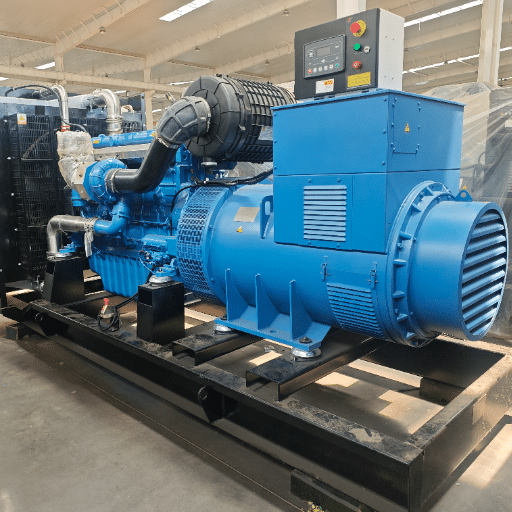
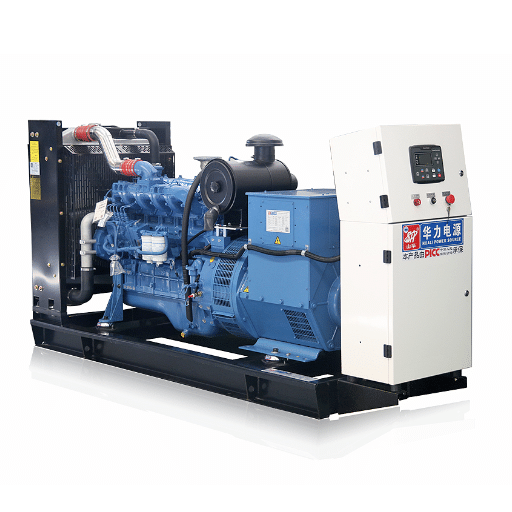
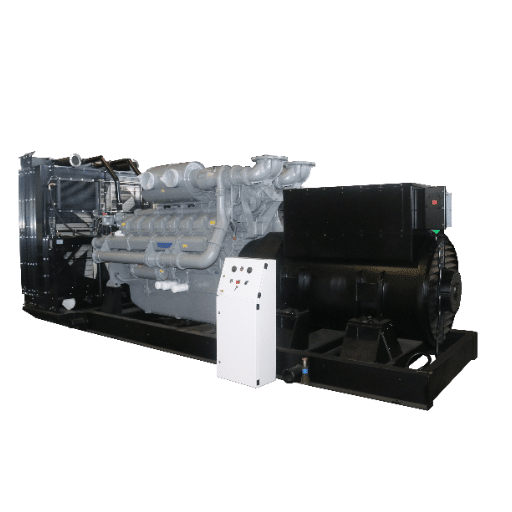
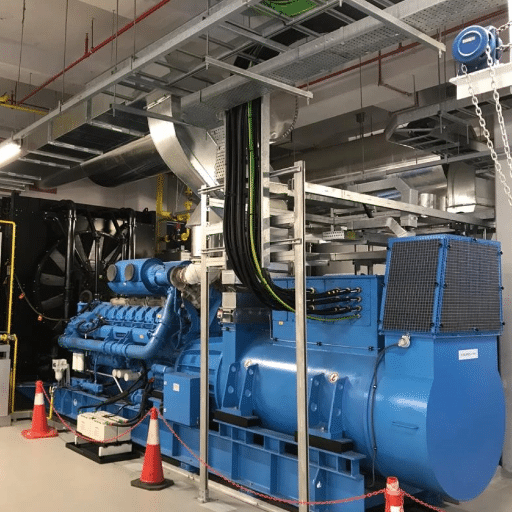
Diesel generators, on the other hand, are advanced fuel-powered machines embracing the concept of electricity generation. The mechanical process works by combusting the diesel fuel with an internal combustion engine to convert it to mechanical energy for use in electricity production, thanks to the combined operation of alternators. These appliances are often held in high regard for their ability to withstand pressure and how friendly they are to the environment and are in most cases employed in numerous sectors business establishments, and power back-up facilities. This combination of ruggedness, fin effectiveness, and load capability, they are most favorable for situations that require stable and straightforward electricity sources.
Overview of Diesel Generators
Critical components of that make up overall performance of diesel generators include the fuel and engine management, as well as the generator in turn. The engine provided is a diesel one equipped with all equipment required to generate necessary energy. Besides, there is the alternator that converts mechanical power into electrical power, a fuel system that is responsible for feeding fuel into the engine in a controlled and smooth manner, and a control panel that monitors and controls the corresponding parameters. Furthermore, cooling and exhaust systems play a vital role in maintaining temperature as well as removing gases produced in the course of operations that are not, among equipment. Proper incorporation of materials and features in these parts ensure minimal cutback time and especially for the diesel generators which are used in extreme conditions.
Because of the long service life and durability of diesel generators, this category is one that is just ahead; combined with better fuel economy compared to other types of generators, due to high oxidative energy content in heavy fuel oils. Therefore, weekends and holidays are safe too in the course of continued use. They are also ideal for critical facilities such as hospitals, data centres, telecommunication industries or manufacturing facilities where any outage will significantly interrupt the operations of the business. The high quality of the structure of any diesel generator makes them reliable under changing loads.
Importance of Engine Parts
Engine parts are crucial components of diesel generators. They have a significant effect on their performance as for their operation, service life and fuel economy. Each of the cylinder block, piston, a shaft and an atomizer system operate in specific coordination in order to change chemical energy into mechanical energy which is eventually converted electrical power. Moreover, cylinder block and piston is responsible for housing all major motion unit in a generator and maintain its stiffness; yet the piston in combination with crankshaft, supports the forces within a body, and is therefore responsible for overcoming excessive vibration and impacts. At the same time, due to the precision of adjustment, the fuel supply system is able to ensure the most efficient intake, spray, and engine power and consumption.
Good engine maintenance practices are important, as with any other complex machinery, diesel engines are no exception. Even worn-out piston rings or blocked injectors have the potential for producing less compression, output reduction and more pollutants. The rapid components advancements have necessitated improvements even in specialised models like turbo-chargers and electronic control module (ECM) components, allowing diesel generators to perform with better efficiency and emission levels. This ensures that adequate functionality and care are provided for the components of a diesel generator that are complex. This is especially true in ensuring maximum operational utilization of diesel generators for industrial, commercial and standby power sources.
Types of Diesel Generators
| Type | Key Features | Applications | Fuel Efficiency |
|---|---|---|---|
| Portable Diesel Generators | Compact, easy to transport | Emergency backup, outdoor activities | Moderate to high |
| Industrial Diesel Generators | High power output, durable design | Large-scale industrial use | Optimized for heavy loads |
| Residential Diesel Generators | Quiet, designed for home use | Residential backup power | Energy-efficient |
| Standby Diesel Generators | Automatic power restoration | Critical power supply during outages | High |
| Prime Diesel Generators | Continuous power supply | Long-term off-grid or remote locations | Variable depending on use |
| Mobile Towable Generators | Mounted on trailers for mobility | Construction sites, field operations | Moderate |
| Silent Diesel Generators | Noise-reduction technology included | Noise-sensitive environments | High |
| Marine Diesel Generators | Corrosion-resistant, seawater compatible | Marine transportation, offshore rigs | Optimized for marine use |
Key Components of Diesel Generator Engines

Compared with natural gas-fuelled generator engines, diesel-powered generators have distinct components whose functions collectively produce electrical power:
- 01
Engine Block
The portion of the engine that contains such intra-engine components as pistons, cylinders and other movable additives and serves as the basis for the engine operation. - 02
Fuel System
Delivers diesel fuel to the engine exactly when it is needed and in right amounts to enable a cleaner and more effective rate of fuel consumption. The main parts of the fuel system include diesel tanks, electronic fuel injectors, and diesel fuel pumps. - 03
Air Intake System
Enhances the effectiveness of an engine by providing the exact pressure of clean air needed in the combustion process. It contains things like blowers and air filters. - 04
Exhaust System
Helps take out all the exhaust products after the combustion begins. It is also usual to introduce mufflers to lessen exhaust noise and reduce pollutants. - 05
Cooling System
A system intended to avoid overheating that moves engine heat to the cooler. Many times this system uses a runny or otherwise liquid that is filled with such an active element, nutrients, or a thing that can be easily removed or washed out. - 06
Lubrication System
This takes care of ensuring that moving objects don’t rub against each other and wear off. The protection of such moving abutments is made that way through oil lubrication, effectively minimizing wear and tear, keeping these machines longer lasting. - 07
Control Panel
Communicates with the generator so as to monitor operational performance parameters like voltage, frequency, and temperature which are vital for control of operation and safety of the set.
Engine analytical editing, enhancing capability and efficiency stabilize generator performance in all environments.
Understanding the Engine Structure
The engine of a diesel generator is merely a machine designed to convert the chemical energy of diesel fuel into mechanical energy. It is mechanical energy that is used to drive the generator and, in turn electric energy is generated. They are modern pieces of power conversion equipment and diesel engines grade in tens of categories dealing with the power, such as cylinder block, combustion chamber, piston and the shaft of the engine- all of which work in concert order to achieve conversion of one form of energy into the other. This occurs after the energy carrier, the fuel, has been converted with the help of the catalyst in the cylinder block into electrical energy.
The latest and most modern fuel-injecting systems are currently installed for the purpose of a more faultless and efficient fuel supply into the working space meant for varnishing fuel saving and environmental purposes. Similarly, there is today a large use of technology in fuel filling which serves to enhance power by forcing additional mixture of air in the combustion chamber to enable a combustion in which more fuel burns out effectively. These development principles have yielded diesel engines for generators that are more reliable and give more better emission and are also adaptable to modern automation to work conveniently within different areas of work.
How Parts Work Together
Diesel generators allow for dependability in function and efficient utilization of energy as all the major components of their engines operate in perfect harmony. It all starts with the air intake system where purged air is accumulated and drained into the engine cylinder block. To vary the relative efficiency and quantity of power produced by respect the fuel allotted to the fuel injection systems, the fuel is injected at a very high pressure into the combustion cylinder for the diesel engine.
On being admitted into the engine but before getting exposed to the combustion chamber the air-fuel mixture is further compressed thanks to the engine pistons which further hikes the temperature of the mixture. The contents of the motor and the hot mixing undergo compression up to the maximum level and that is when the mixture catches fire as a result of released heat to cause the engine to generate mechanical work.
With the expansion and contraction of new types of energy, that is crankshaft rotation is driven, i.e., pistons reciprocating become rotating for the purpose of turning the used energy in the generator alternator. The mechanical energy is converted into electrical energy by means of an electromagnetic device which is called an alternator. Other units such as cooling systems are used to monitor temperatures to ensure that coolant flow is appropriate. The lubrication system also prevents wearing of parts and reduces the friction between moving components thereby promoting the long service of the engine. By arranging the above-mentioned components in the systems and making their operation overlap, diesel generators can produce a steady and effective level of power that can be used for various needs.
Critical Engine Parts in Diesel Generators

01
Fuel System
The major role of the fuel system is to preserve and distribute diesel to the engine. The system is complicated, with a number of important parts like fuel tanks, fuel pumps, and fuel injectors to ensure efficient delivery of fuel for proper combustion.
In the context of a diesel engine or a big diesel generator, the fuel system is a structure that involves storing, delivering, and injecting a fuel into the engine considering combustion. Consists of any primary device elements such as fuel tank, fuel pump, fuel lines, fuel injectors, fuel and water separators, combined with filters. The fuel tank stores diesel fuel while the pump supplements the required amount of fuel to reach the machine under appropriate pressure. Fuel filters must be installed to avoid any introduction of dirt, water and other harmful substances which can damage the engines’ inner machineries. High-power-density diesel engine systems such as diesel generators often incorporate high-pressure fuel systems, hydrocarbon pressure-fed, or internal common rail systems.
02
Alternator
The alternator is a component of a device that converts mechanical energy from the engine’s front belt-driven transmission into electricity which is crucial in powering the equipment connected to charge the batteries or backup power requirements.
An extremely vital part of diesel generators, the alternator works as an essential device that converts mechanical energy into electric energy. This process requires external forces in which a magnet known as the rotor and wire coils, referred to as the stator, act in concert. Nowadays, diesel generator alternators have sophisticated brushless schemes that eliminate the need for servicing and consequently improve the goods’ life span. A good manufactured alternator come with an additional system known as automatic voltage regulators to stabilize the voltage of load under load stress so as to protect the load from voltage variations. They help in preventing excessive heating and ensure further use of the machines appropriately and consistently.
03
Crankshaft
The function of the crankshaft is to convert the linear motion generated by the pistons’ drive from the compressed gasoline in the combustion chamber to a rotor or a pulley motion which in turn is used for the purpose of running the generator’s alternator.
The crankshaft is a key element that facilitates the operation of a diesel generator by converting the reciprocal motion of the pistons to a rotary motion. The generated rotary motion is delivered to the alternator so that electricity is made. In most cases, the crankshaft is built solidly using solid machined steel or low-alloy steel to ensure it can resist any load and endures recurrent fatigue throughout its operation. Vibrations must be minimized, most of the time because they cause uncontrolled mechanical wear and inadequate performance if left to persist, hence demanded precise balancing. Minimizing vibrations and providing high surface hardness and durability are usually two objectives of the process which can be enhanced using advanced finishing techniques such as nitriding or induction hardening.
04
Cooling System
It regulates the temperature of the engine to prevent it from overheating during exhausting operation. It usually consists of a radiator, a coolant pump, and a coolant so that the temperature can be regulated without compromising the performance.
The cooling system in diesel generators is one of the most vital systems. This system is responsible for controlling the temperature of the engine and for carrying the excess heat which is produced when the engine runs. An efficient cooling system is required to cool the engine. Otherwise, the engine will overheat and cause deformation in the components or an increase in the wear or even destruction of the engine if it becomes catastrophic. The most common way that modern cooling systems are constructed includes radiators, cooling fans, impellers, and thermostats mounted down and to the side of the radiators with proper plumbing to complete all aspects of the cooling process in a vehicle.
05
Exhaust System
The exhaust system helps in the management of the dangerous gases produced during the combustion process. In built-up areas, this system is made up of several components, such as exhaust manifolds, exhaust silencers, and so forth.
The emission control system of diesel generators is paramount for maintaining safe discharge of combustion wastes for engine utilization and business operation. Important exhaust components of the systems are exhaust manifolds, mufflers, and the catalytic converter. The purpose of the exhaust manifolds is to collect gases from all the engine cylinders and channel the flow into an exhaust pipe, while in mufflers noise level produced is reduced. It’s nowadays common to find catalytic converters in new coming diesel generators technologies to alleviate the escalation of harmful emissions such as Carbon monoxide compounds, Nitrogen oxide gases and even solid particulates which violate the provisions of the Environmental Protection Agency relating to Engine Tier requirements.
Maintenance of Diesel Generators

Maintenance Checklist
- 01
Regular Inspection
It is necessary to carry out regular checks in order to detect issues such as wear and tear, oil leaks, etc. One should regularly check the installation of the fuel system, the concentration of the antifreeze and many other things. - 02
Oil and Filter Changes
Undertake the regular engine oil changes and ensure the oil filters are renewed; such changes provide ample lubrication and helps prevent foreign bodies from hampering the working of the engine. - 03
Battery Maintenance
It is a good practice to check whether the battery has any remaining power by testing the levels of charge in the battery before putting the car in motion and this also includes cleaning the terminals and ensuring there is an effective starting power. - 04
Cooling System Check
Make sure the coolant level is enough and check the effectiveness of the cooling system. Carry out deaeration of the system occasionally so as to avert unwanted buildup of temperature. - 05
Fuel System Management
Clean and appropriate quality fuel should be used, water and contaminants must be watched out for. Water separators should be drained habitually to reduce the chances of debris gathering. - 06
Test Runs and Load Bank Testing
Also, protect it by rotating it with a certain degree of resistance in certain intervals. This will maintain the generator’s load and reduce its internal corrosion requirement.
Importance of Regular Maintenance
The long-term performance of diesel generating units heavily relies on good and proactive maintenance practices. Diesel generating units are a must-have device to provide reserve power for a variety of applications in both industrial, commercial, and household settings thus ensuring they are properly maintained. Because of this, such maintenance procedures are needed to minimize such problems as fuel contamination, wear off of battery and engine assemblies, etc. If such problems are not taken care of right away they may later on develop into malfunctioning of the generators. It has been observed that faulty maintenance practices have been associated with decreases in the energy efficiency of generators by as much as 20% after some time has elapsed and this in turn translates to an increase in the consumption of fuel and hence the operating costs.
On the other hand, preventive maintenance is indispensable since it helps avoid breakdowns and the subsequent expensive repair or replacement costs. Carrying out load testing on the genset on a regular basis, as well as the potential measurement of critical system parameters such as cooling, lubrication, and fuel systems, drastically reduces the downtime and assures the effectiveness of the thrusters. An organized frame of maintenance involves achieving compliance with the local regulations as regards pollution control by ensuring the exhaust gases do not exceed the permissible levels, thus ensuring the system remains operational and is sustainable as well.
Replacement Parts for Longevity
In the case of diesel generators, the length of their service depends on the quality of the replacement parts used. For example, frequent changes of such crucial parts as air filters, oil filters and fuel filters must be made so that the dust doesn’t clog the engine. If you use the quality parts for the grade you as well as the maintenance process does mean the cost should be reduced since the risk of break down is minimized. Alternators, injectors, cooling systems and the like should also be regularly examined and when the situation calls for it, replaced to avoid losing on the performance of the machine.
With development of technologies, there are materials and engineering where the offered replacement components have better resistance to damages and running wear, therefore, the life span of the generator is prolonged. Keeping photocopiers in good working order over extended period of time can be effected by storing such equipments parts in sufficient amounts ensuring speedy maintenance response.
Keeping Your Diesel Generator Efficient

The quality of fuel is a matter of fundamental importance in the context of management of all diesel generator installations as well. Fuels contaminated or of substandard quality, can suffer with issues bearing poor performance, low generation output and increase in wear and tear of components. The advisable remedy, in order to maximize working efficiency, is, particularly, the storage of quality diesel in a dry and clean place. Once in use, the tanks must be regularly inspected and cleaned to avoid the sediment build up, and the fuel must be checked every now and then to address any complications as quick as possible. It can also be of great help to use fuel additives to increase stability and reduce contaminants in fuel. Effective fuel conservation processes not only improve productivity but also stretch the functional age of the generator.
Summary
Key Takeaways on Generator Components
The design, material selection and preventive maintenance practices for generator components are factors that greatly contribute to their performance and longevity. Modern generators are equipped with different systems such as advanced cooling systems, well-manufactured alternators, and an automatic voltage regulator to provide a clear and stable power source. Understanding the functions of the engine, fuel system, and control panel in relation to other components aids in the optimization of the service life. Adding on that, the use of materials with a high appearance in production, wearing in latter and adhering to relevant time spans in the prevention worsen the overall performance of those systems. Moreover, the growth in monitoring techniques for condition assessment bring a step change in condition monitoring allowing users to detect the fault in time even before it occurs so as to maintain normal machine operations.
Future Trends in Diesel Engine Technology
The advancement of diesel engine technology, is increasing rapidly, due to the compelling need for environmental protection and decreased consumption. One particular interest that has been given recognition is the exploration of advanced combustion technologies to increase the efficiency and advocacy of the use of fuel combustion inside the cylinder of a diesel engine, such as the use of the homogeneous charge combustion ignition (HCCI) engine in targeting the reduction of fuel consumption as well as pollution. Increasing the acceptance and use of clean fuels such as synthetic and biodiesel also assist in curbing the demand of conventional engines that are driven by greenhouse-gas-emitting fossil resources.
A different notable aspect is the enhancing sophistication of aftertreatment systems in response to factual emission limits like Euro 7, EPA Tier 4. These systems, featuring systems such as selective catalytic reduction (SCR) and diesel particulate filters (DPF) are now emerging as being more effective to counter the harmful pollutants by capturing and destroying them. Finally, the addition of electrification technologies, such as hybrid diesel-electric systems, is expected to contribute significantly to reducing emissions and improving performance in heavy-duty applications.
Engineers are now using the latest sensors and IoT technology to provide more advanced control units in automobiles today. The advanced technologies also help by providing predictive maintenance capabilities which trends towards better availability and less downtime while minimizing the costs of operating the equipment. Lastly, installation on modular units which enhance time for multiple purpose utilization under various industries may be undertaken. In such an instance, there is a significant number of possibilities that may be reached in this regard. In the other case, if there are no significant bottlenecks or slow development of the field, they could reach the heights of diesel technology from the point of view of efficiency and the environmental aspects.
Reference Sources
- 01
Variable Speed Diesel Generators: Performance and Characteristic Comparison
Link to source - 02
Feasibility Study of Hybrid Energy System Towards Decarbonisation
Link to source
Frequently Asked Questions
How often should I change the oil filter and oil pan checks on a diesel engine?
According to the recommendations of the manufacturer, it is necessary to change the oil filters every time the oil is changed, that is, once every 250 to 500 hours is enough for a lot of the diesel generators, which naturally doesn’t exclude looking into the oil pan for leaks or mud in it. Due to it, the oil pump doesn’t experience hydraulic or mechanical block upon the filter as the measure to protect the engine from excessive wear and to keep the engine within a certain limit. If not paid attention, replacing oil filters can result in problems with the engine and before long, it will fail, which many overloadings of the generator, and resources for it to be repaired are not worth it.
How do the fuel injectors and combustion process affect generator performance?
Fuel injectors provide precise fuel and air mixture inside the cylinder in which combustion takes place, should the injector get clogged, the generator may not deliver enough power or get to function properly. Should the injectors be fouled or poor quality fuel be used, the engine may experience a rise in temperature and internal wear of the engine parts will be higher. Proper diesel fuel quality and use of correct fuel filters on the engines of the generators ensure the engine life and efficiency. Any failure to run correctly will require the help of a qualified engineer to restore it services without damage to the engine.
Can dirty fuel filters cause engine failure in diesel generators?
Dirty fuel filters block the flow of fuel and it can lead to an engine being starved out, resulting in misfires, low power or complete shutdown, which might lead to material damage. One of the functions of fuel filters is to ensure that damaging particles in the fuel which may cause damage to the rest of the system and the injectors are avoided. Fuel filters which need to remain clean are distinguished by their usage mainly in buses and trucks, cars with diesel engines. They have the function of arresting solid particles and other foreign matter in the system, which if allowed to go through can cause damage to the injector system. Frequent change of oil is advised because the cost of engine overhaul services is expensive.
Why are cylinders and the crankshaft considered key diesel engine parts?
Combustion chambers harbors pistons where combustion of fuels is converted into mechanical motion, and the converting unit called a crankshaft is used to convert from linear to rotational motion which drives the electrical systems by rotating the rotor to generate electrical energy. Scoring or wear inside combustions chamber of the engine, or damage inside the crankshaft can prevent the engine from properly sealing, which can result in the engine consuming oil and damaging the engine, catastrophically. To avoid damages to the moving components, it is important that the lubrication system oil pump along with an oil filter should be set in place.