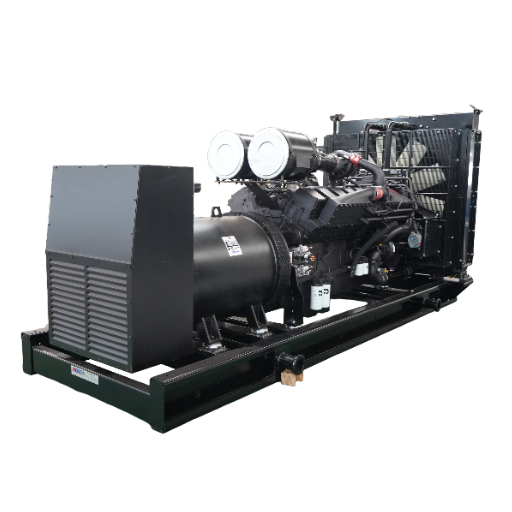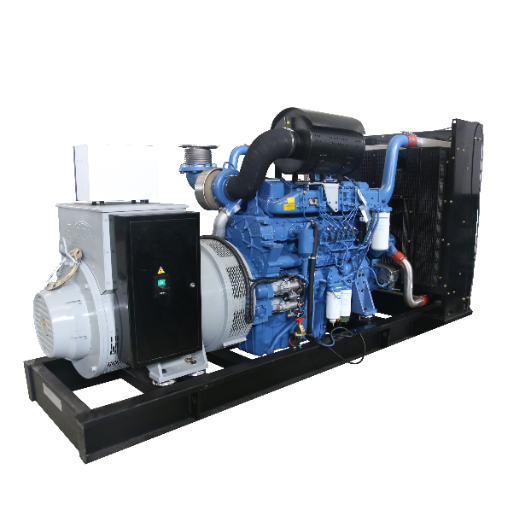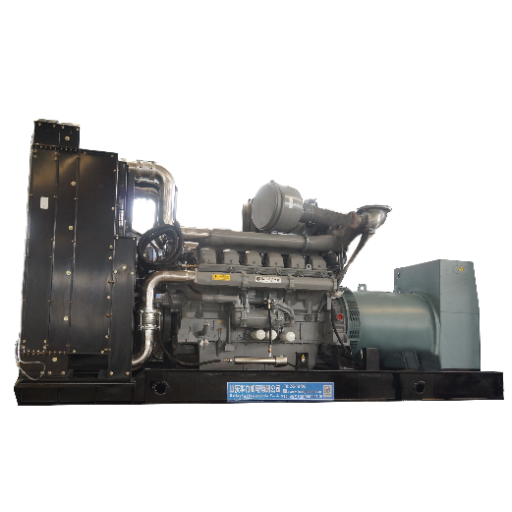


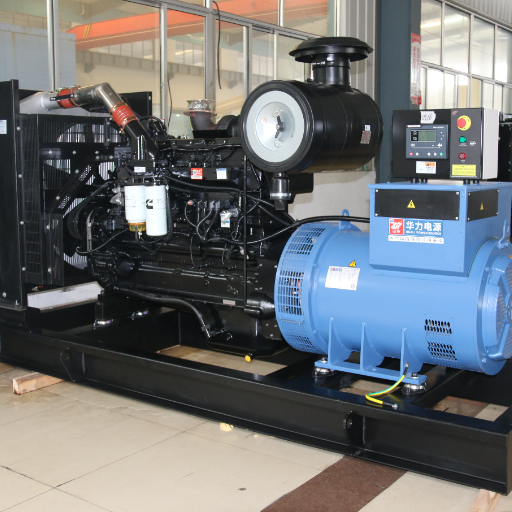
The discount is not the margin. A generator manufacturer for distributors can offer the lowest unit price on the table and still leave you a thinner business than the factory quoting 8% more, because what you keep is decided by five cost lines and the discount touches only one of them.
Most distributors find that out in their second year, after the first warranty claim and the first shipment that arrived heavier than expected. The negotiation that matters happens before the first order, and it is not mainly about price.
This guide is written from your side of the table. It sets out what a finished unit actually costs to land, which terms are worth pressing for, the clause most distributors never ask about, and the support package that decides whether you can sell and service the line at all.
Key Takeaways
- A distributor’s margin is a landed-cost number. Unit price is one line of five, and the other four sit with you unless the agreement says otherwise.
- Freight scales with weight and volume, not with price, so a cheaper but heavier unit can land higher than the alternative.
- Exclusive territory is normally tied to a performance target, a measurement period and a remedy. Ask for all three in writing.
- Project protection, which reserves a project you found to you for a defined window, is worth more than a discount point and is rarely requested.
- The support package, not the price list, decides whether you can actually service what you sell.
The Discount Is Not the Margin: What a Distributor Keeps
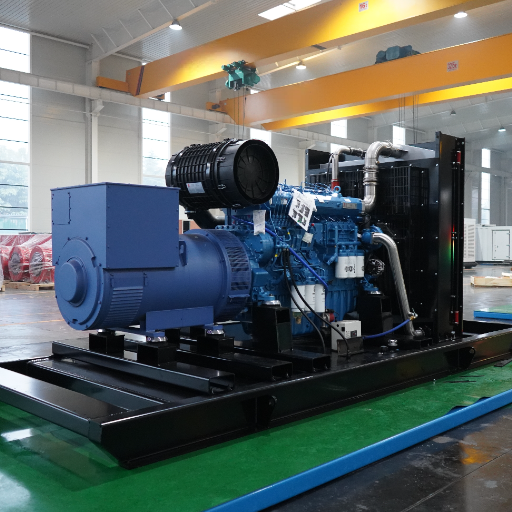
A genset leaves the factory at an FOB price and arrives in your market at a landed cost. The gap between the two is where your margin lives, and it is made of five lines. Which party pays for what along the way is set by the Incoterms rules published by the International Chamber of Commerce, and the term you agree decides how much of the journey you are funding.
| Cost line | What drives it | Who usually carries it |
|---|---|---|
| Unit price (FOB) | Volume, specification, component choices | Shared, negotiated |
| Freight and insurance | Weight and volume per kW, not unit price | Distributor |
| Duty and local certification | Destination rules; whether the unit already holds the certificates | Distributor, unless agreed otherwise |
| Local support | Commissioning, warranty handling, customer technical calls | Distributor |
| Spare-parts holding | Factory lead time; which parts must sit locally | Distributor |
Two consequences follow, and both are visible on a spec sheet before any money moves.
Freight scales with what you ship, not what you pay. A heavier or bulkier unit at a lower unit price can land higher than a lighter one costing more. If you are comparing two factories on FOB price alone, you are comparing the smaller part of the number.
An uncertified unit is not cheaper. It is cheaper now. The certification cost, the delay and the risk arrive later, in your name, in your market. A factory that already holds the approvals for where you are selling is delivering value that does not appear in the price column at all.
Olu learned this on a three-factory comparison. He took the lowest FOB quote, and by the end of the first quarter the heavier canopy had eaten the saving in freight, the units needed local certification nobody had costed, and the first warranty claim took six weeks because no spare had been held locally. The saving was real. It was just smaller than the three costs it created.
The practical move is to ask each candidate for a landed-cost sheet, not a price list: unit price, packed weight and volume, the certifications included, and the spare-parts lead time. A factory that cannot produce those four numbers is telling you something about how it will handle a claim. If the terms themselves are unfamiliar, the US Commercial Service’s plain-language Incoterms guide explains what each one includes and, more usefully, what it leaves out.
The sheet is also a preview of the working relationship. A factory that treats it as an inconvenience is unlikely to handle a warranty claim with more patience, and asking costs nothing before you commit. For the wider assessment of a prospective partner, including how to tell a manufacturer from a trading company, our guide to choosing an industrial generator set supplier in China covers that ground.
For how the supplier landscape itself divides, our guide to diesel generator suppliers covers the difference between manufacturers, partners, distributors and trading companies.
What to Ask a Generator Manufacturer About Territory
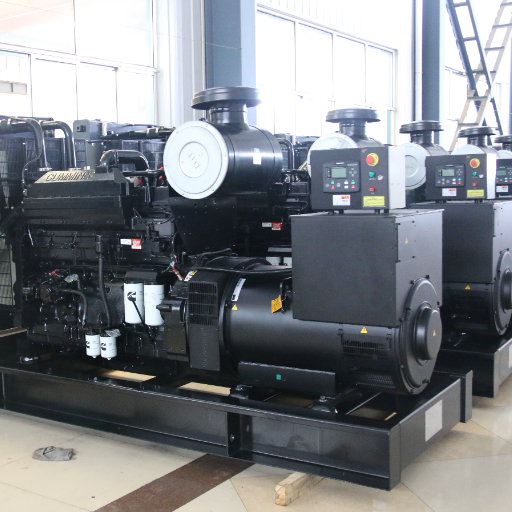
“Exclusive territory” appears on nearly every manufacturer’s distributor page. What those pages rarely publish is what the exclusivity obligates, and the obligations are where the business actually sits.
Four questions turn the phrase into a term you can hold someone to.
- What is the annual target, and how is it measured? Exclusivity is normally tied to a performance threshold. Ask for the number, the measurement period and the currency it is measured in.
- What happens in year one? A new territory takes time to build. If the target applies from day one with no ramp, the arrangement is designed for a distributor who already has the market.
- What is the remedy if you miss it? The range runs from a conversation to losing the territory outright. Both are workable; only one is a surprise.
- Is the territory geographic or by customer type? A region and a customer segment are different businesses. A territory defined as “your country” and one defined as “utility-scale projects in your country” produce very different plans.
One more question is worth asking early, because it shapes everything downstream: who else can sell into your region? A distributor agreement normally restricts cross-region selling, and the answer tells you whether your protection is real or nominal. If the factory already runs a generator dealer network in your market, ask how a new appointment sits alongside it, and whether those dealers can quote the same projects you are asked to register.
For the parts of the relationship that concern branding and commercial terms, our guide to custom diesel generator programmes covers the agreement side. This article stays on the terms that belong in the generator distribution agreement itself.
Project Protection: The Clause Buyers Forget
This is the term most distributors never ask for, and for a project-driven business it is worth more than a discount point.
Project protection, sometimes called project registration, reserves a named project to the distributor who registered it, usually for a defined window. The end user cannot then be quoted directly by the factory, or by another distributor, at a lower price for that same job.
Without it, the risk is structural rather than accidental. You spend eight months developing a relationship, sizing the load, and getting specified into a project, and the end user then approaches the factory directly. If nothing reserves the deal to you, the price they are quoted has no reason to include your margin.
Ayesha found that out on a hospital project she had worked since the previous spring. The specification was hers, the site visit was hers, and when the tender closed the end user had a direct price from the factory that she could not match. No registration was in place, so there was nothing to appeal to.
The questions to settle are narrow and answerable: what counts as a registered project, how long does the reservation hold, is it time-limited or open until the tender closes, and what happens if the end user contacts the factory first? Get the mechanism in writing, and get the registration process described in the agreement rather than handled case by case.
It is worth raising early rather than at the end of a tender. A manufacturer who operates a registration scheme will describe it in the first conversation, because it costs little to offer and wins them a distributor who brings projects. One who has never been asked will often agree to a process once the risk is explained, and that conversation is far easier before a live deal is on the table.
Want a registration process you can actually use? Ask us how project protection works for distributors in your market →
What a Generator Manufacturer for Distributors Should Supply
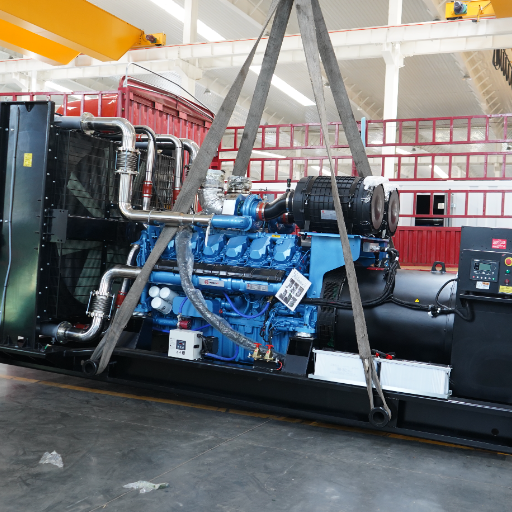
A distributor cannot sell what they cannot service. Spare parts support for generator distributors is the clearest example, because without it every breakdown becomes the distributor’s problem to solve alone. The support package is not a bonus on top of the product; for a distribution line it is most of what you are buying.
The items worth writing into the agreement:
- Technical training, at the factory and on site, including commissioning and fault diagnosis. A distributor who cannot diagnose a control panel problem cannot support the fleet they sold.
- Warranty administration, defined: who decides a claim, what evidence is required, who supplies the replacement part, and what the distributor is reimbursed for labour.
- Spare-parts supply with a stated lead time, plus an agreed list of parts held locally. The list matters more than the promise, because a lead time you cannot plan around is not availability.
- A technical escalation path with a named contact, not a general inbox. When a unit is down at a customer site, the difference between a named engineer and a shared mailbox is measured in days.
- Documentation in the destination language, the manual, the wiring diagrams and the data a local electrician needs to work on the machine.
- Marketing collateral and a demonstration unit, so you can show the product rather than describe it.
A distributor’s own reputation is attached to every unit they sell. The package above is what determines whether that attachment is an asset or a liability.
For the specification side of what you are selling, including what can be adapted for your market, our guide to the customized generator set manufacturer route covers the configuration decisions.
What You Will Have to Supply in Return
The terms above only work if the other side of the agreement is honest about what the distributor owes, so it is worth stating plainly.
Local availability, or an honest lead time. Distributors who promise stock and cannot fund it damage the relationship faster than a missed target. If you are not stocking, say so early and quote the real factory lead time, because the end user will find out either way.
Technical capability, or a service partner. Either you have people who can commission and diagnose, or you have an arrangement with someone who does. A distribution agreement without a service answer is a problem waiting for the first breakdown.
Warranty handling in the destination language. The factory covers the defect; you cover the customer. That work is real, and it belongs in your cost model rather than in your evenings.
And the working capital that local availability demands. This is the item distributors most often under-price. Holding a spread of ratings and a spare-parts package ties up cash long before the first sale, and it is the honest reason many distributors choose a narrower range rather than a broader one.
That is a legitimate reason to carry a narrower range rather than a broader one. A distributor who stocks three ratings properly will outsell one who stocks twelve badly, because availability you can promise beats a catalogue you cannot deliver from. Work out which ratings your market actually asks for before agreeing a stocking list.
One obligation sits outside the commercial terms entirely. If the line carries your own brand, the compliance duty for the machine follows your name rather than the factory’s, and our guide to who becomes the manufacturer when your brand goes on the plate sets out what that involves. The practical side of selling under your own name, from the set plate to the manual and the carton, is covered in our guide to a custom branded generator supplier.
A factory that asks you these questions before signing is a factory that has done this before.
Frequently Asked Questions
What should a distributor negotiate with a generator manufacturer?
Territory and its terms, project protection, the support package, the spare-parts list and its lead time, the warranty administration process, and a landed-cost sheet rather than a price list. Unit price is the easiest term to discuss and usually the least decisive.
How do generator dealers make money?
Not from the discount alone. A dealer’s margin is the gap between landed cost and selling price, so it depends on freight, duty and certification, local support cost, and the capital tied up in stock. The headline discount touches only the first line of that calculation.
What is exclusive territory in a generator dealership?
It is a right to sell in a defined area or to a defined customer type, normally granted in exchange for a performance commitment. The detail worth confirming is the target, the measurement period, the remedy if the target is missed, and how the territory itself is defined.
What support should a generator distributor expect?
Training that covers commissioning and diagnosis, a defined warranty process, spare parts with a stated lead time and an agreed local holding list, a technical escalation path with a named contact, documentation in the market’s language, and material to sell with. Where any of these is missing, the distributor is funding it instead.
Do generator manufacturers offer project protection?
Many established manufacturers operate a project registration scheme, where a project a distributor registers is reserved to that distributor for a defined period. The mechanism varies, so ask how a project is registered, how long the reservation lasts, and what happens if the end user approaches the factory directly.
Conclusion
A generator manufacturer for distributors is judged on terms that never appear on the front of the brochure. They are the five lines of landed cost, the territory commitment with its target and remedy, the project protection that keeps a deal you found yours, and the support package you need in order to service what you sell.
Three things are worth doing before you sign anything. Ask for a landed-cost sheet rather than a price list, so the comparison is real. Ask for the territory terms in writing, including the target and what happens if you miss it. And ask about project protection and the spare-parts list, because those two are the terms that decide whether the fourth year is easier than the first.
Send us your market and the range you intend to carry, and our engineering team will set out what a distribution programme involves and what we would need from you.