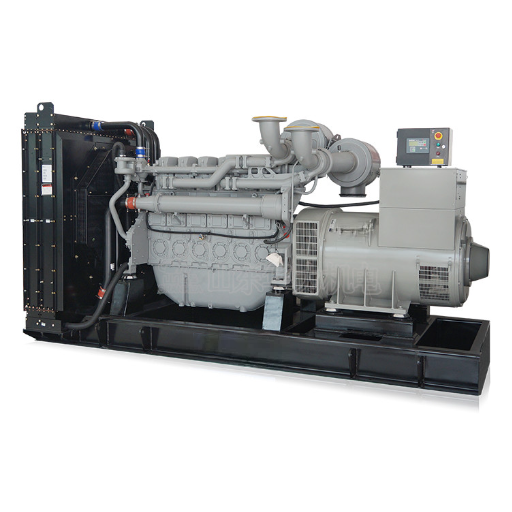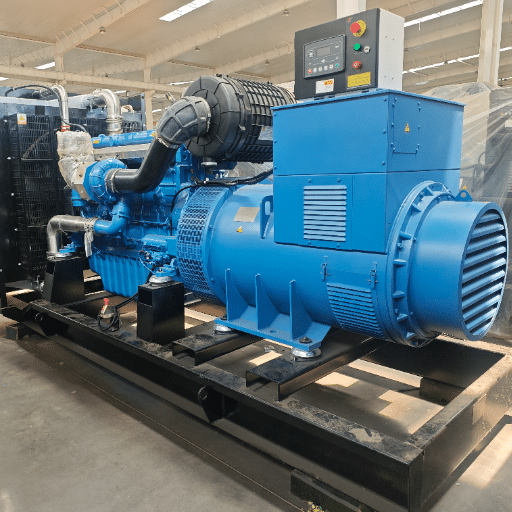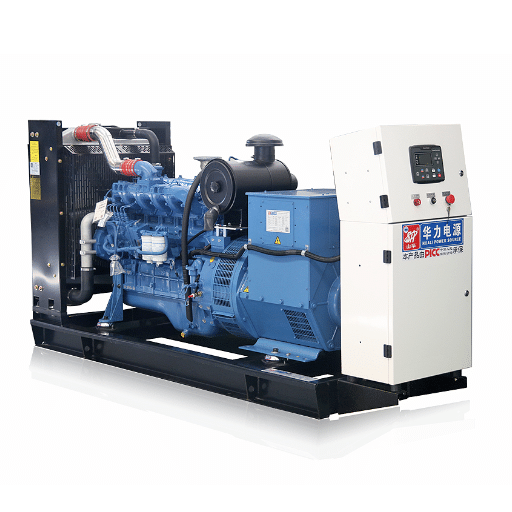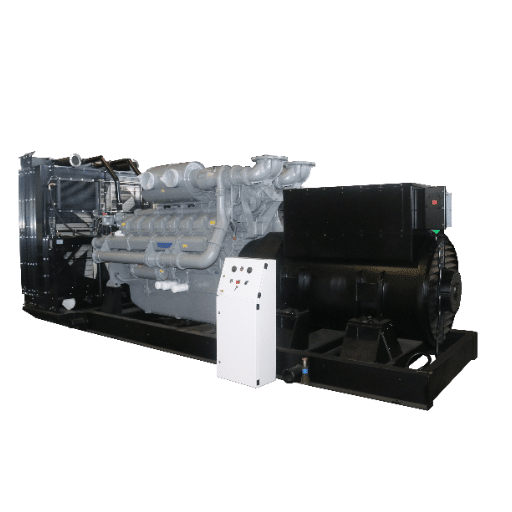

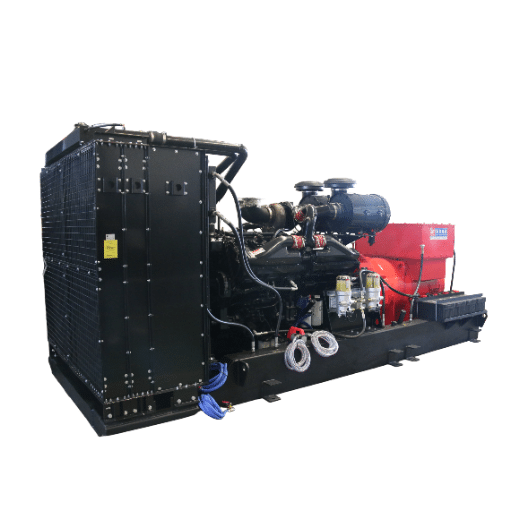
Most diesel generator oil changes should occur every 250 operating hours or every 6 months for standby units, every 250 hours for prime power units, and every 200–250 hours for continuous duty units. The governing rule is whichever comes first: operating hours, calendar time, or oil analysis results that show the oil is no longer protecting the engine.
A textile factory in Jiangsu followed a simple rule. Every June and December, the maintenance team changed oil in every generator on site. Their 500 kW standby generator ran only 30 hours per year, yet it received two oil changes. Meanwhile, their 1,000 kW prime-power generator ran 18 hours per day and went 400 hours between changes. A preventive maintenance review showed the standby unit was over-serviced by roughly five times, while the prime unit was under-serviced. After switching to duty-cycle-based intervals and basic oil analysis, annual lubricant costs dropped by 35% and engine protection improved.
This guide explains the generator oil change interval for diesel gensets across standby, prime, and continuous duty. It covers why intervals differ, how to choose the right oil, the correct change procedure, and how oil analysis can help you extend or shorten the interval safely.
Key Takeaways
- Standby generators usually need oil changes every 100–250 hours or at least once per year, whichever comes first.
- Prime power generators typically need oil changes every 250 hours, or up to 500 hours when supported by oil analysis.
- Continuous duty generators generally need oil changes every 200–250 hours, sometimes sooner under severe conditions.
- The first oil change after break-in should occur at 20–50 hours to remove wear particles and break-in residue.
- Oil selection matters: 15W-40 API CK-4 is standard for modern diesel generators, with TBN between 9.5 and 12 mg KOH/g.
- Oil analysis can justify extended drains or warn of engine problems before they become expensive failures.
Why Generator Oil Change Interval Matters

Engine oil does more than lubricate moving parts. It also cools the engine, cleans internal surfaces by carrying away soot and deposits, seals piston rings, and protects against corrosion. As oil operates, it degrades through oxidation, soot loading, fuel dilution, and additive depletion.
Deferred oil changes allow contaminants to accumulate. Soot thickens the oil and increases wear. Fuel dilution reduces viscosity and lubricating ability. Acids from combustion deplete the Total Base Number (TBN), reducing corrosion protection. Over time, the oil becomes less effective at protecting bearings, pistons, cylinder liners, and the turbocharger.
Over-servicing is also costly. Changing oil too often wastes lubricant, filters, labor, and disposal capacity. For facilities with multiple generators, the wrong interval across the fleet can add thousands of dollars to the annual maintenance budget without improving reliability. The goal is to match the interval to the actual operating conditions and oil condition. For a broader view of overall maintenance, see our generator maintenance guide.
Generator Oil Change Interval by Duty Cycle
The correct generator oil change interval depends mainly on how the generator operates. Standby, prime, and continuous duty place very different demands on the oil.
Standby Generators
Standby generators spend most of their lives idle and run only during outages, tests, or exercises. Typical guidance is an oil change every 100–250 operating hours or at least once per year, whichever comes first. For a unit that runs only 30 hours per year, the calendar limit governs. Oil oxidizes and absorbs moisture even when the engine is not running, so annual service is necessary.
Some manufacturers offer extended standby drain programs. Caterpillar, for example, allows an optional 3 years or 500 hours for 3500-series standby generator sets, but only when enrolled in a Customer Support Agreement using Cat fluids, filters, coolant, and oil analysis.
Prime Power Generators
Prime power generators run regularly as the main source of electricity. They accumulate hours quickly, so the hour meter usually governs. The typical generator oil change interval for prime power is every 250 hours. With high-quality oil, good fuel, clean air, and regular oil analysis, some operators can extend this to 500 hours.
Prime power units often run under variable load, which is harder on oil than steady operation. Short runs, frequent starts, and partial loads increase fuel dilution and soot. These factors usually justify staying closer to the 250-hour interval unless oil analysis proves otherwise.
Continuous Duty Generators
Continuous duty generators run at near-constant load for long periods. They are common in mining, remote industrial sites, and off-grid applications. The typical oil change interval is 200–250 hours. Even though the load is steady, the total operating time is high, and oil temperatures remain elevated for extended periods, accelerating oxidation and additive depletion.
Severe conditions such as high ambient temperature, dusty air, high-sulfur fuel, or biodiesel blends can shorten the interval further. In these cases, oil analysis is the most reliable way to set the right drain interval.
First Oil Change / Break-In
New or rebuilt engines need an early oil change to remove break-in particles and residue. The first oil change typically occurs at 20–50 hours. This is one of the most important changes in the engine’s life. Skipping it allows metal particles to circulate and damage bearings, pistons, and cylinder walls.
A rental company in Guangdong learned this the hard way. They skipped the 50-hour break-in oil change on a new 200 kW generator set. Metal particles circulated for 300 hours, scoring the crankshaft bearings. The resulting overhaul cost eight times more than the missed oil change would have cost.
| Duty Cycle | Typical Oil Change Interval | Governing Factor |
|---|---|---|
| Standby | 100–250 hours or annually | Calendar time for low-hour units |
| Prime power | 250 hours; up to 500 hours with analysis | Operating hours |
| Continuous duty | 200–250 hours | Operating hours and oil condition |
| Break-in | 20–50 hours | Initial wear particle removal |
For a complete maintenance timeline, see our generator service schedule.
Hours vs. Months: Which Governs?
One of the most common questions about generator oil change interval is whether to follow the hour meter or the calendar. The answer is whichever limit you reach first.
Hour-meter-based intervals make sense for units that run regularly. A prime power generator running 10 hours per day will reach 250 hours in 25 days. The calendar is almost irrelevant.
Calendar-based intervals matter for standby units. A generator that runs only during monthly tests may accumulate only 20–40 hours per year. Even with low hours, the oil oxidizes, additives degrade, and moisture accumulates. Most manufacturers recommend changing the oil at least once per year for these units.
Oil analysis can override both limits. If oil analysis shows viscosity, TBN, soot, and contamination are still within specification, an extension may be justified. If analysis shows rapid degradation, the interval should be shortened regardless of hours or months.
How to Choose the Right Generator Oil

Selecting the correct oil is as important as setting the right interval. Using the wrong viscosity or API category can cause wear, deposits, or aftertreatment damage.
Viscosity
15W-40 is the most common viscosity grade for diesel generators operating in moderate to hot climates. The first number, 15W, describes cold-flow performance. The second number, 40, describes viscosity at operating temperature. For cold climates, 10W-30 or 5W-40 may be specified to improve cold-start protection.
API Category
Modern diesel generators, especially those with diesel particulate filters (DPF), diesel oxidation catalysts (DOC), or selective catalytic reduction (SCR), require API CK-4 oil. CK-4 oils provide strong wear protection while keeping sulfated ash at or below 1.0%, which helps protect aftertreatment systems.
Older mechanical engines may specify CI-4 Plus, CJ-4, or earlier categories. Always check the engine manual before selecting oil.
Total Base Number (TBN)
TBN measures the oil’s ability to neutralize acidic combustion byproducts. For modern diesel generators using ultra-low-sulfur diesel, a TBN of 9.5–10.5 is usually adequate. For higher-sulfur fuels or extended drain intervals, a TBN of 10.5–12 provides better protection.
Sulfated Ash
Sulfated ash is the solid residue left when oil burns. Ash above 1.0% can plug diesel particulate filters and poison catalysts. For generators with aftertreatment, use oils with sulfated ash at or below 1.0%. For older engines without aftertreatment, higher ash oils may be acceptable.
OEM Approval
Generic oils that meet API specifications are often acceptable, but OEM-approved oils are formulated and tested for specific engine designs. Using OEM-approved oil helps maintain warranty coverage and ensures compatibility with seals, bearings, and aftertreatment systems.
Step-by-Step Generator Oil Change Procedure

A proper oil change is more than draining and refilling. The procedure below ensures the old oil and contaminants are removed and the new oil is installed correctly.
1. Prepare Safely
Shut down the engine and allow it to cool slightly. Disconnect the battery to prevent accidental starting. Isolate fuel supply and electrical power. Place spill containment around the drain area. Warm oil drains more completely, but it must be cool enough to handle safely.
2. Warm and Drain
Run the engine at light load for 5–10 minutes to warm the oil. Stop the engine and remove the oil fill cap to allow air into the crankcase. Remove the drain plug and allow the oil to drain completely into a suitable container. Inspect the drained oil for metal particles, fuel odor, or excessive sludge.
3. Replace the Oil Filter
Remove the old oil filter. Apply a thin film of clean oil to the gasket of the new filter. Install the filter by hand until the gasket contacts the mounting surface, then tighten the recommended additional amount, usually three-quarters to one full turn. Do not overtighten.
4. Reinstall the Drain Plug
Clean the drain plug and install a new gasket or crush washer if required. Torque the drain plug to the manufacturer’s specification. A loose plug leaks; an overtightened plug damages threads.
5. Refill with the Correct Oil
Add the manufacturer-specified oil to the correct capacity. Use a clean funnel and check the level with the dipstick. Do not overfill. Overfilling can cause foaming, seal damage, and increased crankcase pressure.
6. Start and Inspect
Reconnect the battery and start the engine. Allow it to idle for 3–5 minutes. Check the oil pressure gauge or warning light. Inspect the drain plug and filter for leaks.
7. Recheck the Level
Shut down the engine and allow several minutes for oil to drain back into the sump. Recheck the dipstick and add oil if needed to reach the full mark.
8. Run Under Load Briefly
For industrial generators, run the unit under partial load for 5–15 minutes to confirm stable oil pressure and temperature. This also helps circulate the new oil through the filter and lubrication passages.
9. Document the Service
Record the date, engine run hours, oil brand and grade, filter part number, and any observations. Good records support warranty claims, resale value, and compliance audits. A full inspection checklist is available in our diesel generator maintenance checklist.
Oil Analysis: When to Extend or Shorten the Interval
Oil analysis turns oil changes from a scheduled guess into a data-driven decision. A typical oil analysis report includes several key parameters.
Viscosity
Viscosity measures the oil’s resistance to flow. If viscosity increases, soot loading or oxidation may be excessive. If viscosity decreases, fuel dilution or shearing of the viscosity improver may be occurring. Either change outside the acceptable range means the oil should be changed.
TBN Depletion
TBN drops as the oil neutralizes acids. When TBN falls to roughly 25–50% of the fresh oil value, the oil should be changed. Continuing to operate with depleted TBN allows acidic byproducts to corrode engine internals.
Soot Loading
Soot is produced during combustion, especially under low-load or cold-running conditions. High soot thickens oil, increases wear, and can clog oil passages. Soot levels above 3–4% usually indicate the need for an oil change.
Fuel Dilution
Unburned fuel can leak past piston rings and dilute the oil. Fuel dilution reduces viscosity and lubricating ability. Levels above 2–3% are generally considered excessive and require investigation of the fuel system or operating conditions.
Metallic Wear Particles
Oil analysis can detect increased levels of iron, copper, aluminum, lead, and other metals. Rising wear metals often indicate abnormal wear in bearings, pistons, cylinder liners, or the turbocharger. Early detection allows targeted repair before catastrophic failure.
A hospital facilities manager in Jiangsu implemented quarterly oil sampling on all emergency generators. On one unit, TBN dropped sharply and fuel dilution rose. The early warning led to injector service before the engine suffered major wear, avoiding a failure during accreditation survey season.
Common Oil Change Mistakes
Even experienced maintenance teams make errors that reduce the value of an oil change.
- Ignoring the break-in change. The first 20–50 hours produce the highest concentration of wear particles. Skipping this change causes lasting damage.
- Using the wrong viscosity or API category. Cold-climate oils in hot environments can thin excessively. Older spec oils in modern aftertreatment engines can damage DPFs.
- Skipping the filter. New oil in a dirty filter is immediately contaminated.
- Overfilling or underfilling. Overfilling causes foaming and seal leaks. Underfilling causes oil starvation and accelerated wear.
- Judging oil only by color. Dark oil is not necessarily bad oil. Oil analysis is the only reliable way to assess condition.
- Not documenting service. Missing records void warranties, complicate resale, and hide patterns that could predict failures.
Generator Oil Change Cost Factors

The cost of an oil change depends on more than the price of oil.
Oil Volume and Price
Industrial generators may hold 10 to 50 liters of oil or more, depending on engine size. Synthetic and long-drain oils cost more per liter but may reduce total cost over the drain interval.
Filter Cost
OEM filters typically cost more than aftermarket filters but provide better filtration and compatibility. Using the wrong filter can bypass unfiltered oil or collapse under pressure.
Labor and Callouts
A scheduled oil change during routine maintenance costs less than an emergency callout. Technician rates for industrial generator service typically range from 135to135to195 per hour, plus travel.
Disposal Fees
Used oil and filters must be disposed of through licensed recyclers. Disposal costs vary by region and volume.
Emergency Premium
Emergency oil changes due to contamination or breakdown usually cost 3–8 times more than scheduled service because of after-hours labor, rush parts, and production losses.
FAQ: Generator Oil Change Interval
How often should I change my generator oil?
Most standby generators need oil changes every 100–250 hours or at least once per year. Prime power units typically need changes every 250 hours, and continuous duty units every 200–250 hours. Always follow the engine manufacturer’s recommendations.
What is the first oil change interval for a new generator?
The first oil change should occur at 20–50 hours of operation to remove break-in wear particles and residue. This is critical for long engine life.
Do standby generators need oil changes if they barely run?
Yes. Oil degrades over time due to oxidation and moisture absorption, even when the engine is idle. Most manufacturers recommend at least an annual oil change for standby units.
What factors shorten the oil change interval?
Severe conditions such as high ambient temperatures, dusty environments, heavy or variable loads, frequent short runs, high-sulfur fuel, and biodiesel blends can all shorten the interval. Oil analysis will confirm whether these conditions are affecting your oil.
What oil should I use in my diesel generator?
Use the viscosity and API category specified by the engine manufacturer. For modern diesel generators, 15W-40 API CK-4 is common. For cold climates, 10W-30 or 5W-40 may be specified.
Can I extend the oil change interval with oil analysis?
Yes, if oil analysis shows viscosity, TBN, soot, and contamination are within acceptable limits. Extended drains should be supported by a consistent sampling program, not by guesswork.
What happens if I overfill the generator oil?
Overfilling can cause oil foaming, increased crankcase pressure, seal leaks, and damage to the catalytic converter or DPF. Always fill to the dipstick full mark and recheck after the engine has run.
Conclusion
The right generator oil change interval protects the engine, controls maintenance cost, and supports reliable operation. Standby units are usually governed by calendar time, while prime and continuous units are governed by operating hours. Severe conditions and oil analysis results can override both.
Choosing the correct oil, performing the change correctly, and documenting the service are just as important as the interval itself. Over-servicing wastes money without adding protection. Under-servicing invites wear, deposits, and premature failure.
A well-run maintenance program treats oil changes as part of a larger strategy. Combine duty-cycle-based intervals with regular oil analysis, quality filters, and OEM-approved lubricants. After major service, validate the generator under load to confirm stable operation. Our load bank testing requirements guide explains how to verify generator performance after maintenance.
If you need genuine parts, oil specifications, or help building a maintenance plan for your fleet, contact Shandong Huali for engineering support. Our team can recommend the right generator oil change interval, lubricant specifications, and service schedule for your application.