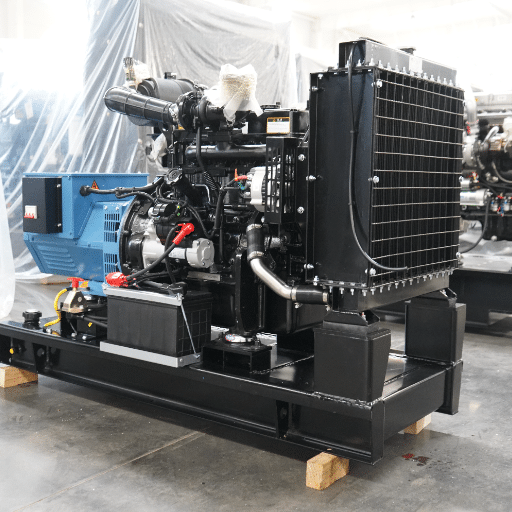



Generator maintenance is the planned, periodic care that keeps a diesel genset ready to start and able to run at rated output when it matters most. For industrial and commercial users, that means scheduled inspections, fluid and filter service, load bank testing, and documented compliance with standards such as NFPA 110 and ISO 8528-5. Done consistently, preventive generator maintenance prevents about 70% of common failures and costs far less than emergency repairs or unplanned downtime.
Most online guides stop at 22 kW residential standby units. That leaves facility managers, plant engineers, and contractors responsible for 100 kW, 500 kW, or 1,000+ kW industrial gensets without the depth they need. This guide fills that gap. It covers the full maintenance lifecycle from daily operator checks through annual overhauls, explains how duty ratings change service intervals, provides real cost data by kW tier, and maps each task to the standards inspectors actually check.
Key Takeaways
- Generator maintenance is not optional consumable spending; it is risk reduction. Reactive repairs cost 3–9× more than planned preventive maintenance.
- Duty rating determines interval. A standby (ESP) unit and a prime-power (PRP) unit run on very different hour-based schedules.
- Load bank testing is essential. Running a diesel genset under light load causes wet stacking, carbon buildup, and long-term engine damage.
- Maintenance costs scale with kW. Expect roughly 2,000–2,000–4,000/year for 100 kW, 5,000–5,000–10,000/year for 500 kW, and 7,500–7,500–15,000+/year for 1,000 kW standby units.
- Documentation matters. NFPA 110 Level 1 systems require weekly inspections, monthly loaded exercise, annual load bank testing, and a 36-month full-duration test.
What Happens When You Skip Generator Maintenance

A neglected genset does not usually fail dramatically on the first missed service. It degrades in small steps that compound until the unit cannot start or cannot carry load.
Wet stacking is one of the most common outcomes. It happens when a diesel engine runs below 30% of rated load for extended periods. Exhaust temperatures stay too low to burn off carbon, so soot builds in the turbo, exhaust manifold, and cylinder head. Over time, oil dilution and glazed cylinder bores follow. A single skipped annual load bank test can leave a 500 kW unit producing blue smoke and half its rated kW when the next outage hits.
Fuel contamination is the next silent killer. Diesel stored for months accumulates water from condensation and supports microbial growth at the fuel-water interface. Those microbes form biomass films that clog filters, foul injectors, and corrode tank bottoms. A facility that ignored its bulk tank for two years once faced a 2,800injectorservicebillthata2,800injectorservicebillthata45 fuel filter change and tank treatment would have prevented.
Battery sulfation, coolant degradation, and loose electrical connections complete the pattern. Each issue is minor on its own. Together, they explain why many “generator failures” are actually maintenance failures.
Want a printable task list to avoid these problems? Use our diesel generator maintenance checklist to track daily, weekly, monthly, and annual work.
Understanding Generator Duty Ratings and Maintenance Intervals
Not every genset ages at the same rate. A standby unit that runs 50 hours per year faces different stresses than a prime-power unit running 4,000 hours per year. ISO 8528-1 defines four duty ratings, and each one changes how you schedule service.
ESP: Emergency Standby Power
ESP applies to units that run only during utility outages and testing. Annual runtime is typically 200 hours or less. Maintenance is calendar-driven: weekly inspections, monthly exercise, quarterly inspections, and annual professional service. Because the engine starts cold and runs short cycles, battery, fuel, and cooling systems need extra attention.
LTP: Limited-Time Power
LTP covers applications that run up to 500 hours per year at constant load. Examples include seasonal construction support or temporary backup during grid upgrades. Oil and filter changes shift toward hour-based intervals, usually every 250 hours.
PRP: Prime Rated Power
PRP units run unlimited hours on variable load. A 24-hour average load must stay at or below 70% of PRP, with 10% overload permitted for one hour in any 12 hours. These units hit oil change intervals quickly, typically every 250 hours, and need more frequent air filter and coolant service.
COP: Continuous Operating Power
COP units run at constant base load for unlimited hours. They accumulate runtime faster than any other rating, so hour-based maintenance is critical. Oil analysis, coolant testing, and alternator insulation checks move from annual to semi-annual or quarterly routines.
| Duty Rating | Typical Use | Max Hours/Year | Oil Change Guideline | Load Bank Need |
|---|---|---|---|---|
| ESP | Hospitals, data centers | ≤200 | Annually or every 250 h | Annual |
| LTP | Seasonal/remote standby | ≤500 | Every 250 h | Annual |
| PRP | Manufacturing, mining, off-grid | Unlimited | Every 250 h | As needed |
| COP | Base load, CHP, grid parallel | Unlimited | Every 250 h or per analysis | As needed |
The takeaway is simple: calendar-based schedules work for standby units; hour meters drive maintenance for prime and continuous units. Skipping this distinction is why some facilities over-service small standby units while under-servicing hard-working prime-power sets.To turn these duty ratings into concrete calendar and hour-based intervals, our detailed generator service schedule lays out exactly what to service and when for each rating.
Daily and Weekly Operator Checks
Operator checks are the front line of generator maintenance. They are quick, low-cost, and catch most problems before they escalate.
Daily Checks
Start with a visual walk-around. Look for fluid leaks under the engine, coolant hoses that are swelling or cracking, and exhaust damage. Check oil, coolant, and fuel levels. Confirm the control panel shows no active alarms. Verify battery voltage is within the normal range. If the unit has a local start test function, run it for 15–30 seconds.
Weekly Checks
Run the genset under load for 15–30 minutes. No-load exercise warms the engine but does not verify performance. Inspect battery terminals for corrosion. Check the air filter restriction indicator. Look at the radiator and air intake grilles for debris. Confirm the coolant heater is working in cold climates. Test the emergency stop circuit.
These checks are operator-level tasks. They do not replace professional service, but they keep small issues from becoming emergency calls.For a printable, frequency-organized version of these daily and weekly tasks, keep our diesel generator maintenance checklist on hand at the genset.
Monthly and Quarterly Maintenance Tasks

Monthly and quarterly work moves beyond observation into light service. The goal is to address the six systems that determine genset health: fuel, lubrication, cooling, air intake/exhaust, electrical, and battery.
Fuel System
Drain the primary water separator and check for contamination. Inspect the fuel tank for water or sediment. If the unit runs infrequently, add a biocide to prevent microbial growth. For sites with bulk storage, test fuel quality every six months and polish the fuel annually.
Lubrication System
Check oil level and condition. Look for coolant contamination, fuel dilution, or excessive soot on the dipstick. For prime-power units, take an oil sample every 500 hours for lab analysis. Replace oil and filters per the engine manufacturer’s interval, typically every 250 hours for PRP/COP and every 500 hours or annually for ESP. If you are unsure how load, duty rating, and climate should shift your drain timing, our guide to the right generator oil change interval explains how to set the correct schedule for your unit.
Cooling System
Inspect coolant level and concentration with a refractometer. A 50/50 glycol-to-water mix is standard for most climates. Check hoses, belts, and clamps for wear. Clean radiator fins with low-pressure air or water. In high-dust environments such as mines or quarries, radiator cleaning may be needed weekly.
Air Intake and Exhaust
Check the air filter restriction gauge. Clean or replace the element when restriction reaches the manufacturer limit. Inspect the exhaust system for leaks, corrosion, and proper silencer drainage. Look at the turbocharger for oil residue or unusual shaft play.
Electrical System
Verify terminal torque on battery and power connections. Inspect the automatic voltage regulator (AVR) and excitation system. For paralleling switchgear, run a quarterly synchronization test. Check insulation resistance on cables and alternator windings.
Battery and Starting System
For flooded batteries, check electrolyte level and specific gravity. For AGM or VRLA batteries, check terminal voltage and conductance. Load test the battery bank monthly for critical applications. Clean terminals and apply anti-corrosion compound. NFPA 110 Level 1 systems require a 90-minute battery reserve capacity.
Annual Overhaul and Professional Service
Once per year, every industrial genset needs professional attention beyond operator tasks. Annual service protects the major components that determine whether the unit will survive its design life.
Oil and filter change is the baseline. Even low-hour standby units need annual oil changes because oil oxidizes over time. Replace the oil filter, fuel filter, and air filter at the same time.
Coolant flush and refill removes scale, corrosion byproducts, and degraded inhibitors. Test the cooling system for proper flow and pressure. Replace thermostat and hoses on a scheduled interval rather than waiting for failure.
Injector inspection and adjustment ensures proper spray pattern and combustion. Worn injectors cause poor fuel economy, hard starting, and excessive smoke.
Alternator testing includes insulation resistance (megger) testing, winding resistance, and excitation system checks. A weak exciter or failing diodes can cause voltage instability under load.
Load bank testing validates real-world performance. More on that in the next section.
ATS functional testing confirms the transfer switch operates within specified timing and that contacts are not eroded. This is required by NFPA 110 and often inspected by the Authority Having Jurisdiction (AHJ).
Load Bank Testing and Performance Validation

Load bank testing is where preventive maintenance pays off. It forces the genset to run at a controlled percentage of rated load, raising exhaust temperatures enough to burn off carbon deposits and verify cooling, fuel, and electrical systems under real stress.
Why It Matters
Wet stacking develops when diesel engines chronically run at low load. The symptoms include black or blue exhaust, oil consumption, and reduced power output. A 500 kW genset that only exercises its building’s 80 kW emergency load is running at 16% load, well below the 30% minimum recommended for diesel engines. Over a year or two, wet stacking can reduce engine life by half.
NFPA 110 Requirements
For Level 1 emergency power systems, NFPA 110 requires monthly exercise under load for at least 30 minutes. If the building load cannot maintain at least 30% of nameplate kW, a load bank must supplement the test. Annual testing must include at least 50% load for 30 minutes and 75% load for one continuous hour, totaling no less than 1.5 hours. Many service providers perform a 2-hour test at 75–100% load to simplify documentation.
Level 1 systems also require a full-duration test every 36 months. The genset must run at least 30% load for a continuous four-hour period, matching the assigned Class if the Class is shorter.
Practical Load Bank Schedule
| Application | Minimum Annual Load Bank Test | Notes |
|---|---|---|
| Healthcare (Level 1) | 2 hours at 75–100% load | Required for Joint Commission / CMS compliance |
| Data center (Level 1) | 2 hours at 75–100% load | Often performed during planned maintenance windows |
| Manufacturing standby | 1.5–2 hours at 50–75% load | Verify ATS and cooling performance |
| Prime power / PRP | As needed based on runtime | Focus on oil analysis and condition monitoring |
Load bank testing is also a standard step in the generator commissioning procedure for new installations.For a deeper look at test durations, load percentages, and documentation by system class, see our full breakdown of load bank testing requirements.
Fuel System Care and Contamination Prevention
Clean fuel is the single most controllable factor in genset reliability. Diesel does not go bad overnight, but it degrades predictably if left unmanaged.
Water Management
Water enters tanks through condensation and bad fills. It settles at the tank bottom and feeds microbial colonies. Install water-absorbing filters or fuel-water separators on the supply line. Drain the tank sump regularly. For bulk tanks, consider automatic tank gauging with water-in-fuel alarms.
Microbial Growth
Diesel fuel supports bacteria and fungi that form biofilms at the fuel-water interface. These colonies plug filters, corrode tanks, and damage injectors. Treat stored fuel with a biocide at least twice per year. If contamination is severe, fuel polishing removes water, sediment, and microbes without replacing the fuel.
Fuel Polishing and Tank Cleaning
Fuel polishing circulates fuel through a series of filters and separators to restore cleanliness. It is usually performed annually for standby units and quarterly for critical facilities. Every three to five years, bulk storage tanks should be internally inspected and cleaned.
Biodiesel Considerations
Biodiesel blends absorb more water than conventional diesel and have shorter storage life. B5 blends are generally stable for 6–12 months; higher blends need closer monitoring. Check with the engine manufacturer before using blends above B20.
Common Generator Problems and Troubleshooting

Even well-maintained gensets occasionally develop symptoms. Knowing the likely cause saves time and prevents unnecessary parts replacement.
Engine Cranks but Will Not Start
Check the battery first. Weak batteries are the most common no-start cause. Next, verify fuel supply and lift pump operation. Air in the fuel lines after filter changes will prevent starting. Finally, check the control panel for shutdown faults such as low oil pressure, high coolant temperature, or overspeed.
Engine Starts but Stops Under Load
This usually points to fuel starvation, air intake restriction, or governor problems. A clogged fuel filter or failing lift pump cannot maintain flow at higher output. A dirty air filter restricts combustion air. An improperly adjusted governor may drop frequency when load is applied.
Overheating
Low coolant level, external radiator blockage, or a failed thermostat are the usual suspects. In high-dust environments, packed radiator fins are a frequent cause. Internal scale from neglected coolant changes also reduces heat transfer.
Low Power Output
Check fuel quality, air filter restriction, and exhaust back-pressure. A clogged diesel particulate filter (DPF) or damaged muffler can increase back-pressure enough to limit output. On older units, worn injectors or low compression reduce available power.
Excessive Smoke
- Blue smoke indicates oil burning, often from worn piston rings, valve seals, or turbocharger seals.
- Black smoke means incomplete combustion from overloaded air intake, restricted fuel injectors, or excessive load.
- White smoke on startup can be normal condensation, but persistent white smoke may signal coolant entering the combustion chamber.
Excessive Vibration
Vibration often comes from loose mounting bolts, misaligned coupling, damaged fan, or unbalanced alternator rotor. Address it quickly; vibration accelerates bearing wear and electrical connection failures.
Some operational problems trace back to installation errors. If a genset has chronic overheating or starting issues, review our guide to common generator set installation mistakes.For a symptom-by-symptom diagnostic walkthrough covering these faults and more, our complete guide to generator troubleshooting helps you isolate the root cause quickly.
Generator Repair: When to DIY vs. Call a Technician
Operator-level maintenance is important, but there are clear boundaries between what facility staff should handle and what requires a certified technician.
Operator-Level Tasks
- Daily and weekly inspections
- Fluid level checks and top-offs
- Battery terminal cleaning
- Air filter inspection and replacement
- Basic control panel fault reset
- Fuel water separator draining
Technician-Level Tasks
- Injector service, adjustment, or replacement
- Alternator rewinding or diode replacement
- Engine rebuild or major component replacement
- Coolant system pressure testing and flushing
- ATS contact replacement
- Control system programming and calibration
Warranty Considerations
Most OEM warranties require documented maintenance by qualified personnel using approved parts and fluids. Keep service records organized by asset tag. Missing documentation can void coverage when a major failure occurs.
Emergency Repairs
When a genset fails during an outage, the priority is safe restoration of power. Follow lockout/tagout procedures. Do not bypass safety shutdowns. If the failure involves the engine, alternator, or transfer switch, call a qualified service technician rather than attempting field repairs.For safe, practical fixes you can handle in-house before escalating to a technician, our field-tested generator repair tips walk through the most common operator-level repairs step by step.
Maintenance Cost Breakdown by kW Tier
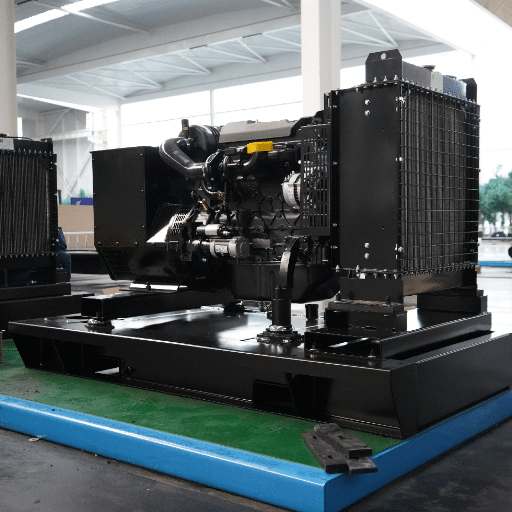
Cost transparency is one of the biggest gaps in generator maintenance content. Facility managers need real numbers to budget, not vague ranges.
Operator-Level Costs
Operator labor is usually absorbed into existing staff duties. Consumables such as oil top-off, rags, and basic cleaners run roughly 0–0–200 per year per unit.
Technician Service Calls
Emergency or scheduled technician rates typically fall between 150and150and300 per hour, plus travel. A standard annual service visit for a 200 kW unit might take 3–4 hours. A major repair can run 10–20 hours.
Annual Service Contract Ranges
| kW Tier | Standby Annual Contract | Prime Power Annual Contract |
|---|---|---|
| 50–100 kW | 1,500–1,500–3,500 | 3,000–3,000–6,000 |
| 100–250 kW | 3,000–3,000–6,500 | 6,000–6,000–12,000 |
| 250–500 kW | 6,000–6,000–12,000 | 12,000–12,000–24,000 |
| 500–1,000 kW | 12,000–12,000–25,000 | 24,000–24,000–45,000 |
| 1,000+ kW | 25,000–25,000–50,000+ | 45,000–45,000–80,000+ |
These ranges include scheduled inspections, oil and filter changes, coolant service, load bank testing, and minor adjustments. They do not include major repairs or replacement parts.
Cost of Neglect
The financial case for maintenance is strongest when compared to failure costs. A $45 fuel filter ignored long enough can lead to a $2,800 injector service. Skipped oil changes can produce a $15,000–$60,000 engine rebuild. For a hospital or data center, a single outage can cost far more than a decade of preventive maintenance contracts.
For industrial users evaluating total cost of ownership, maintenance is part of the larger backup power solutions for factories equation. To build an accurate annual budget for your specific fleet, our detailed breakdown of generator maintenance cost compares contract pricing, labor rates, and consumables by kW tier and duty rating.
Compliance and Standards Reference
Industrial gensets operate in a regulated environment. Maintenance programs must satisfy OEM requirements, insurance conditions, and local codes.
NFPA 110
NFPA 110 is the dominant standard for emergency and standby power systems in North America. It classifies systems as Level 1 (life safety) or Level 2 (less critical). Level 1 systems face stricter testing, record-keeping, and 36-month full-duration testing. Key requirements include:
- Weekly inspection of fuel, coolant, oil, battery, leaks, and alarms
- Monthly loaded exercise for at least 30 minutes
- Annual load bank testing if building load is insufficient
- Transfer switch inspection and operation
- Maintenance records available to the AHJ
For a task-by-task guide to meeting each of these obligations and passing an AHJ inspection, see our dedicated resource on NFPA 110 generator maintenance.
ISO 8528-1 and ISO 8528-5
ISO 8528-1 defines duty ratings (ESP, LTP, PRP, COP). ISO 8528-5 covers performance testing and acceptance criteria. While ISO standards are less directly enforced than NFPA 110 in North America, they define the engineering basis for maintenance intervals and are commonly referenced in international projects.
UFC/UFM 3-540-07
Federal and military facilities in the United States follow UFC/UFM 3-540-07 for generator maintenance. It specifies inspection forms, frequencies, and documentation that often exceed commercial standards.
EPA Tier 4 Final
EPA Tier 4 Final diesel engines require diesel exhaust fluid (DEF) and diesel particulate filters (DPF). DEF consumption is typically 2–4% of diesel fuel volume. DEF has a shelf life of about 12 months at 50–77°F; it degrades faster at high temperatures. DPFs require periodic regeneration, either passive (during normal loaded operation) or active (initiated by the control system). Low-load operation prevents passive regeneration and leads to DPF clogging.
Predictive Maintenance and Remote Monitoring

Time-based maintenance is the baseline, but condition-based monitoring is where modern fleets are heading. Predictive maintenance uses data to spot failures before symptoms appear.For a practical roadmap on moving from time-based service to data-driven care, our guide to predictive maintenance for genset covers the sensors, sampling intervals, and analytics that make it work.
Oil Analysis
A lab oil report measures viscosity, soot, fuel dilution, coolant contamination, and wear metals. Rising iron or copper levels can indicate cylinder, bearing, or cooler wear months before failure. For prime-power units, sample every 250–500 hours. For standby units, sample annually.
Vibration Monitoring
Accelerometers on the engine and alternator detect bearing degradation, misalignment, and imbalance. Trends are more useful than single readings. A sudden increase in vibration amplitude often points to a developing mechanical issue.
Thermal Imaging
Infrared cameras identify hot spots in electrical connections, switchgear, and alternator windings. Loose terminals show up as localized heat. Thermal surveys are often performed during annual load bank testing.
Remote Monitoring and CMMS Integration
Modern digital control panels can stream runtime, alarms, fuel level, battery voltage, and engine parameters to a central dashboard. Integrating this data with a computerized maintenance management system (CMMS) allows automated work order generation, parts planning, and compliance reporting. The return on investment comes from fewer emergency calls, longer component life, and documented readiness.
Shandong Huali gensets are available with DSE digital controls and remote monitoring capability, making it easier to transition from time-based to condition-based maintenance programs.
Extending Generator Lifespan
Maintenance extends life, but operating habits matter too. A well-maintained genset operated correctly can last 15–25 years in standby service.
Load Management
Avoid chronic light-load operation. Run the genset at a minimum of 30% rated load during exercise. If the building load is too small, use a load bank. For prime-power units, keep the 24-hour average load within the rated duty factor.
Startup and Shutdown
Allow proper warm-up before applying load, especially in cold weather. After shutdown, let the turbocharger cool at idle for a few minutes to prevent oil coking in the bearings. Follow the manufacturer cooldown recommendations.
Long-Term Storage
If a genset will sit idle for more than a few months, prepare it for storage. Fill the fuel tank to minimize condensation. Add fuel stabilizer or biocide. Disconnect or trickle-charge batteries. Seal air intakes and exhaust outlets to prevent moisture and pest intrusion. Run the unit monthly and apply load at least quarterly.
Recommissioning
After extended storage, inspect belts, hoses, coolant, oil, and fuel before starting. Change fluids and filters if storage exceeded one year. Verify the battery capacity and perform a load bank test before returning the unit to service.For more habits and long-term strategies that add years of reliable service, see our guide on how to extend generator lifespan.
FAQ: Generator Maintenance
How often should a generator be serviced?
Most standby generators need professional service at least once per year or every 100–250 hours of runtime, whichever comes first. Prime-power units follow hour-based intervals, typically every 250 hours. Operator checks should happen daily or weekly.
What maintenance does a generator need?
Generator maintenance covers six systems: fuel, lubrication, cooling, air intake/exhaust, electrical, and battery. Tasks range from fluid checks and filter changes to load bank testing, oil analysis, and alternator inspection.
Can I service a generator myself?
Facility staff can handle operator-level checks such as inspections, fluid top-offs, and filter replacements. Engine, alternator, fuel injection, and transfer switch work should be performed by qualified technicians, especially for warranty-covered equipment.
What happens if a generator is not serviced?
Neglect leads to wet stacking, fuel contamination, battery failure, coolant degradation, and carbon buildup. The result is hard starting, reduced output, higher emissions, and eventually engine damage that costs far more than routine maintenance.
What oil is best for diesel generators?
Use the oil grade specified by the engine manufacturer, typically a diesel-rated CI-4 or CK-4 oil with the correct viscosity for the operating climate. Synthetic oils can extend drain intervals in severe service.
What is load bank testing and when should it be done?
Load bank testing applies a controlled electrical load to the genset to verify performance, burn off carbon deposits, and satisfy NFPA 110 requirements. Standby units should be load bank tested annually; critical Level 1 systems also need a 36-month full-duration test.
What standards govern generator maintenance?
NFPA 110 is the primary standard in North America. ISO 8528-1 defines duty ratings, and ISO 8528-5 covers performance testing. Military and federal facilities follow UFC/UFM 3-540-07. EPA Tier 4 Final governs emissions system maintenance.
When should I call a professional technician?
Call a technician for injector service, alternator repairs, engine overhaul, coolant system failures, control system faults, ATS issues, and any problem that affects safety or warranty coverage.
How much does generator maintenance cost per year?
Annual costs vary by size and duty. A 100 kW standby unit typically costs 2,000–2,000–4,000 per year. A 500 kW unit runs 5,000–5,000–10,000 per year. A 1,000 kW unit can exceed $15,000 per year. Prime-power and harsh-environment applications cost more.
How long does a well-maintained generator last?
Standby diesel gensets regularly maintained can last 15–25 years, sometimes 30 years. Portable units typically last 10–15 years. Prime-power units usually have shorter lives due to accumulated runtime but can still reach 15+ years with good maintenance.
How Shandong Huali Supports Generator Maintenance
As a generator manufacturer, Shandong Huali approaches maintenance from the design and production side. We know which components wear first and why. That perspective shapes how we support customers after delivery.
Our generator sets are built with ISO9001-certified processes and tested at a national-standard testing center before shipment. DSE digital controls provide real-time monitoring and remote diagnostics. We stock spare parts for global delivery, including filters, belts, hoses, and alternator components. Our engineering team provides maintenance guidance, troubleshooting support, and service contract recommendations.
For industrial users, distributors, and contractors, this means fewer surprises, faster parts availability, and a single point of contact for power solutions.
Conclusion
Generator maintenance is the foundation of genset reliability. A structured program of daily checks, scheduled service, load bank testing, and compliance documentation prevents the majority of failures and costs far less than emergency repairs.
The key points to remember:
- Match the maintenance schedule to the duty rating. Standby, prime, and continuous units operate on different intervals.
- Do not skip load bank testing. Light-load operation damages diesel engines over time.
- Budget realistically. Maintenance costs scale with kW and operating hours.
- Keep records. NFPA 110 and insurance providers expect documented service history.
- Use condition monitoring. Oil analysis, vibration monitoring, and remote diagnostics extend component life.
Whether you operate a single 100 kW standby unit or a fleet of industrial gensets, the principle is the same: maintenance is an investment in uptime. If you are evaluating a new installation, proper generator set installation and commissioning set the stage for lower maintenance costs over the life of the equipment.
For tailored maintenance guidance, spare parts, or service support for industrial diesel generator sets, contact the Shandong Huali team.