


Generator maintenance cost typically ranges from 5to5to25 per kW per year for standby service and 15to15to40 per kW per year for prime or continuous duty, with major overhauls adding 5,000to5,000to20,000+ every 12,000 to 30,000 hours. Those numbers move up or down based on generator size, operating environment, fuel quality, service strategy, and compliance requirements.
Last October, a procurement manager at a Midwest manufacturing plant opened the annual service quote and saw a 40% jump from the previous year. The reason? A standby-rated unit had been pressed into prime-power duty during a six-month facility expansion. Service intervals doubled, oil consumption rose, and the warranty coverage no longer applied. The real problem wasn’t the service vendor. It was that the maintenance budget had never been matched to the actual duty cycle.
This guide gives you a manufacturer-backed framework to plan generator maintenance cost accurately. You’ll see per-kW budgets by size, cost multipliers for standby, prime, and continuous duty, service contract tiers, and the hidden expenses that blow up budgets. Whether you operate one 50 kW backup unit or a fleet of 1,000+ kW industrial gensets, you’ll leave with a practical way to estimate, control, and reduce total cost of ownership.
Key Takeaways
- Standby maintenance costs 5–5–25/kW/year, while prime and continuous duty runs 15–15–40/kW/year because service intervals scale with operating hours.
- A 500 kW standby genset typically costs 2,500–2,500–8,000/year to maintain; the same unit in prime duty can cost 10,000–10,000–20,000/year.
- Major overhauls occur every 12,000–30,000 hours and range from 5,000to5,000to20,000+, depending on engine size and condition.
- NFPA 110 compliance adds 500–500–3,000/year for testing, load banking, fuel sampling, and documentation.
- Reactive maintenance usually costs 3–5× more than preventive maintenance when downtime and emergency labor are included.
- The fastest ways to cut cost are correct duty rating, fuel quality management, real load exercising, and OEM-spec consumables.
Quick Generator Maintenance Cost Reference

Use the table below as a starting budget for diesel generator sets. Figures cover routine preventive maintenance only; major repairs and overhauls are separate.
| Generator Size | Standby ($/kW/yr) | Prime ($/kW/yr) | Continuous ($/kW/yr) | Typical Annual Range |
|---|---|---|---|---|
| 25–100 kW | 10–10–25 | 20–20–40 | 30–30–50 | 500–500–2,500 / yr |
| 100–300 kW | 8–8–20 | 15–15–35 | 25–25–45 | 1,500–1,500–6,000 / yr |
| 300–600 kW | 6–6–15 | 12–12–28 | 20–20–38 | 3,000–3,000–10,000 / yr |
| 600–1,000 kW | 5–5–12 | 10–10–22 | 18–18–32 | 5,000–5,000–18,000 / yr |
| 1,000+ kW | 4–4–10 | 8–8–18 | 15–15–28 | 10,000–10,000–40,000+ / yr |
Small units cost more per kW because labor and travel are spread over fewer kilowatts. Large units benefit from economies of scale, but parts prices rise sharply. A 25 kW residential genset might cost 15/kW/year,whilea2,000kWdata−centerunitcandropbelow15/kW/year,whilea2,000kWdata−centerunitcandropbelow5/kW/year for standby service.
For a deeper look at what tasks sit behind these numbers, see our complete generator maintenance guide.
What Drives Generator Maintenance Cost
Six factors control most of the variation in generator maintenance cost. Understanding each one helps you explain a high quote and spot where to save money.
Generator Size and kW Rating
Larger engines have bigger filters, more oil, larger coolant volumes, and more expensive parts. However, they also spread fixed costs over more kilowatts. That’s why cost per kW falls as size rises. Labor doesn’t increase proportionally with kW, so a single service visit to a 1,000 kW unit is often only 30–50% more expensive than a visit to a 100 kW unit.
Duty Cycle
Standby units run rarely and stay cool. Prime and continuous units accumulate hours, thermal cycles, and wear. Prime duty can push maintenance cost 3–5× above standby. Continuous duty adds another 1.5–2× multiplier because components never get a rest.
Operating Environment
Dust, humidity, altitude, and temperature all change the math. High-dust sites clog air filters faster. Tropical humidity accelerates corrosion. High altitude reduces air density, increasing turbocharger and cooling-system stress. Harsh environments can add 15–40% to baseline maintenance cost.
Fuel Quality and Storage
Clean diesel is non-negotiable. Contaminated fuel damages injectors, pumps, and filters. Water and microbial growth in tanks can shut a genset down during an emergency. Annual fuel testing and polishing adds 300–300–1,500 but prevents repairs that can run into the thousands.
Service Model
In-house technicians lower labor rates but require training, tooling, and inventory. Dealer contracts add markup but bring factory-trained expertise and guaranteed response times. OEM contracts cost the most upfront but often include genuine parts, remote monitoring, and warranty protection.
Compliance Requirements
NFPA 110, local fire codes, and insurance mandates define test frequency, load-banking intervals, and documentation. Meeting those requirements adds predictable cost. Skipping them adds unpredictable cost in the form of fines, failed inspections, and emergency repairs.
Generator Maintenance Cost by Size
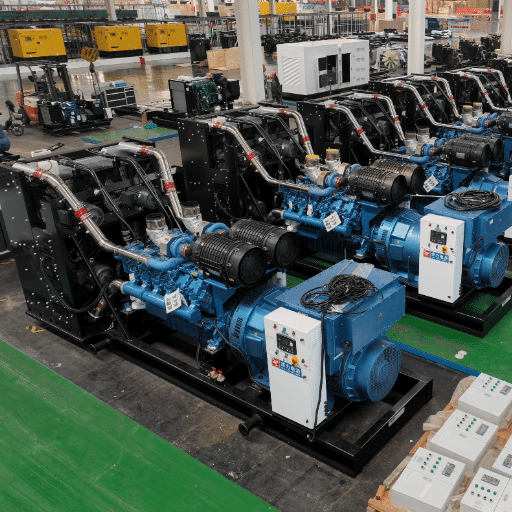
Size is the easiest starting point for budgeting. The ranges below include oil, filters, belts, hoses, coolant checks, battery testing, and routine labor.
25–100 kW: Small Commercial and Residential
Annual maintenance typically runs 500–500–2,500. Per-kW cost is high because the technician still has to travel, set up, and run the same safety checks regardless of unit size. Expect oil and filter changes every 150–250 operating hours or annually, whichever comes first.
100–300 kW: Mid-Size Commercial and Industrial
Annual maintenance usually falls between 1,500and1,500and6,000. This is the most common range for factories, hospitals, and commercial buildings. Units in this class start to justify more comprehensive service contracts.
300–600 kW: Large Industrial
Annual maintenance ranges from 3,000to3,000to10,000. At this size, coolant analysis, load-bank testing, and fuel polishing become standard line items. Parts costs also jump: a single set of filters can exceed $500.
600–1,000 kW: Heavy Industrial
Annual maintenance typically costs 5,000–5,000–18,000. These units often serve critical facilities where downtime is measured in thousands of dollars per hour. Preventive maintenance is usually non-negotiable.
1,000+ kW: Utility-Scale and Critical Power
Annual maintenance starts around 10,000 and can exceed 10,000 and can exceed 40,000 for large or critical installations. Overhauls, after-treatment service, and specialized labor dominate the budget. However, per-kW cost is the lowest in this class.
Standby vs. Prime vs. Continuous Duty Cost
Duty cycle is the single biggest driver of generator maintenance cost after size. Manufacturers design engines, cooling systems, and service intervals around three ISO 8528 duty ratings.
Standby Power
Standby units run only during grid failures. They accumulate few hours, so wear is low. Annual maintenance focuses on inspection, exercise, fluid checks, and battery testing. Cost: 5–5–25/kW/year.
The hidden risk is wet stacking. Running a standby unit under light or no load leaves unburned fuel and carbon in the exhaust system. Over time, this can increase maintenance cost by 20–40%. The fix is real-load exercising or annual load-bank testing.
Prime Power
Prime units operate whenever grid power is unavailable or too expensive. They may run thousands of hours per year. Service intervals shrink to 250–500 hours. Oil, filters, coolant, belts, and after-treatment fluids are consumed faster. Cost: 15–15–40/kW/year, roughly 3–5× standby.
Continuous Power
Continuous units run non-stop. They need the shortest service intervals, the largest oil and coolant inventories, and the most frequent overhaul planning. Cost: 20–20–50/kW/year, sometimes higher in harsh environments. Overhaul reserves should be part of the annual budget from day one.
| Duty Cycle | Annual Hours | Service Interval | Cost Multiplier vs. Standby |
|---|---|---|---|
| Standby | < 200 hrs | 12 months / 250 hrs | 1× |
| Prime | 2,000–6,000 hrs | 250–500 hrs | 3–5× |
| Continuous | 8,000+ hrs | 250 hrs or less | 5–8× |
Costs can skyrocket rapidly if equipment is improperly selected. A construction contractor purchased a “standby-rated” generator set with a 150 kW rating but used it to provide continuous power at a job site. Within 18 months, the unit suffered from issues such as doubled oil consumption and turbocharger failure, ultimately requiring a $14,000 overhaul. Because the actual operating conditions exceeded the equipment’s rated capacity, the warranty was voided. Had a unit rated for “prime” operation been selected initially—despite the higher upfront cost—the contractor could have saved over $20,000 in maintenance and downtime-related expenses.
Service Contract Tiers and Pricing
Most owners choose between four contract types. Each tier balances cost, risk, and convenience differently.
Labor-Only Contract
The vendor provides technicians; you pay for parts and consumables. Best for owners with in-house parts sourcing and strong technical knowledge. Typical cost: 500–500–2,000 per visit, depending on unit size and location.
Parts-and-Labor Preventive Maintenance Contract
The most common choice for commercial and industrial users. Includes scheduled visits, oil, filters, belts, hoses, coolant checks, battery testing, and minor adjustments. Does not include major repairs or overhauls. Typical cost: 1,500–1,500–12,000/year depending on size and visits.
Premium Contract
Adds emergency callout coverage, guaranteed response times, remote monitoring, and sometimes load-bank testing. Ideal for hospitals, data centers, and critical infrastructure. Typical cost: 1.5–2.5× the parts-and-labor tier.
Critical Coverage / Full-Service Contract
Covers almost everything except abuse, neglect, and fuel problems. Includes overhauls, major repairs, and after-treatment service. The highest upfront cost but the most predictable budget. Typical cost: 2.5–4× the parts-and-labor tier.
| Contract Tier | What’s Included | Typical Annual Cost (300 kW Unit) | Best For |
|---|---|---|---|
| Labor-only | Technician time only | 1,500–1,500–3,000 | Experienced in-house teams |
| Parts-and-labor PM | Scheduled service + consumables | 3,000–3,000–6,000 | Most commercial/industrial |
| Premium | PM + emergency response + monitoring | 5,000–5,000–10,000 | Critical facilities |
| Critical coverage | PM + major repairs + overhauls | 8,000–8,000–15,000+ | Zero-downtime operations |
A service contract is worth it when the cost of one unplanned failure would exceed the annual contract price. For a hospital, one avoided outage can pay for several years of premium coverage.
Major Repairs and Overhaul Costs

Routine maintenance is predictable. Major repairs are where budgets get destroyed.
Common Major Repairs
- Injector replacement: 1,500–1,500–5,000 depending on cylinder count
- Turbocharger replacement: 2,000–2,000–8,000
- Alternator rewind: 3,000–3,000–12,000
- Controller or AVR failure: 1,000–1,000–5,000
- After-treatment repair (DPF, SCR, DEF): 2,000–2,000–10,000
Engine Overhaul
Overhauls typically happen every 12,000–30,000 engine hours. Costs range from 5,000forasmallindustrialengineto5,000forasmallindustrialengineto20,000+ for a large critical-power unit. Continuous-duty engines may need overhaul sooner because they accumulate hours faster.
The best way to control overhaul cost is to plan it. Setting aside 0.50–0.50–1.50 per operating hour into an overhaul reserve turns a sudden $15,000 bill into a budgeted line item.
For help diagnosing issues before they become expensive failures, use our generator troubleshooting guide.
NFPA 110 and Compliance Costs
NFPA 110 sets the standard for emergency and standby power system testing in the United States. Even if your local code differs, the principles are widely adopted globally.
Required Testing
- Weekly: Exercise the generator for at least 30 minutes
- Monthly: Exercise under load of at least 30% of nameplate rating for 30 minutes (diesel)
- Annually: Full-load test using building load or a load bank
- Every 36 months: Fuel quality test and tank inspection for Level 1 systems
Compliance Cost Breakdown
| Item | Frequency | Typical Cost |
|---|---|---|
| Monthly loaded exercise | Monthly | Included in PM or 100–100–300/visit |
| Annual load-bank test | Annual | 500–500–2,000 |
| Fuel sampling and testing | Annual | 150–150–500 |
| Fuel polishing | As needed | 300–300–1,500 |
| Compliance documentation | Annual | 200–200–1,000 |
| Transfer switch testing | Annual | 200–200–800 |
For a single 300 kW unit, NFPA 110 compliance usually adds 1,000–1,000–3,000/year above basic maintenance. The cost of non-compliance is far higher: failed inspections, insurance disputes, and the risk that the generator won’t start when lives depend on it.
Hidden Costs That Inflate Maintenance Budgets
Some costs don’t show up in the standard service quote. They appear later as repeat failures, shortened component life, and emergency callouts.
Wet Stacking
Under-loading leaves carbon deposits in the engine and exhaust. The result is clogged injectors, damaged turbochargers, and higher oil consumption. Real-load exercising or load-bank testing prevents it.
Fuel Degradation
Diesel degrades over time. Water, microbes, and sediment clog filters and damage fuel injection systems. Annual testing and polishing prevent contamination from turning into a $5,000 fuel-system repair.
Battery Sulfation
Standby units sit for long periods. Without regular exercise, batteries sulfate and fail prematurely. A battery that costs 200cancausea200cancausea2,000 emergency callout when the generator won’t start.
After-Treatment Systems
Modern diesel engines use DPF, DEF, and SCR systems to meet emissions rules. These systems add fluids, sensors, and cleaning cycles to the maintenance list. Ignoring them triggers fault codes and derated power.
Remote Site Logistics
Generators located at mines, construction sites, or communication towers entail significant travel time. A two-hour drive each way can turn a service call that would otherwise cost $300 into a $900 expense.
Emergency Callout Premiums
Breakdowns don’t happen during business hours. After-hours and weekend labor rates can be 2–4× normal rates. Rush freight on parts adds another premium.
How to Reduce Generator Maintenance Cost
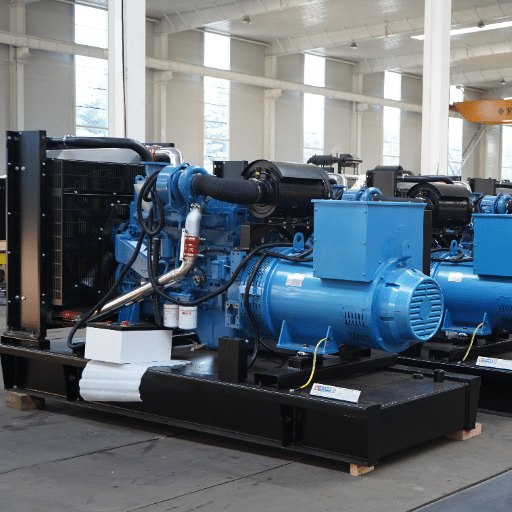
Cost reduction starts before the first service visit. The right choices at specification and operation cut lifetime spend more than negotiating a cheaper contract.
Match Duty Rating to Real Use
Buy a standby-rated unit only for true standby. Use prime or continuous ratings for applications with high run hours. Misapplication is the fastest way to triple maintenance cost.
Follow a Structured PM Checklist
A consistent preventive maintenance program catches small issues before they become big repairs. Our diesel generator maintenance checklist gives you a step-by-step schedule you can use in-house or with a vendor.
Exercise Under Real or Banked Load
Light-load exercise is better than no exercise, but it causes wet stacking. Run the unit under at least 30% of rated load, or use a load bank annually.
Manage Fuel Quality
Keep tanks clean and water-free. Test fuel annually. Polish fuel if it sits for long periods. Clean fuel is the cheapest insurance against injector and pump failure.
Use OEM Filters and Lubricants
Aftermarket parts can save 20–50% upfront. However, OEM filters and oils are engineered for the engine’s tolerances and warranty terms. In critical applications, genuine parts usually win on total cost of ownership.
Train Operators on Fault Codes
A trained operator can resolve minor alarms without a service call. Basic fault-code literacy prevents unnecessary emergency visits.
Invest in Remote Monitoring
Modern controllers can send alerts for low coolant, battery voltage, fuel level, and fault codes. Catching problems early converts emergency repairs into scheduled maintenance.
Plan Overhauls
Don’t wait for catastrophic failure. Track operating hours and plan overhauls during scheduled outages. Planned work is almost always cheaper than reactive work.
For more on setup decisions that affect long-term reliability, read our generator set installation guide.
Maintenance Cost vs. Downtime Cost
The real question isn’t whether maintenance is expensive. It’s whether lack of maintenance is more expensive.
Reactive maintenance typically costs 3–5× more than preventive maintenance when you include emergency labor, rush parts, production losses, and reputation damage. A 2,000preventiveservicecanpreventa2,000preventiveservicecanpreventa10,000–$50,000 emergency.
Downtime cost varies by industry:
| Facility Type | Estimated Downtime Cost per Hour |
|---|---|
| Hospital | $100,000+ |
| Data center | 50,000–50,000–500,000+ |
| Manufacturing plant | 10,000–10,000–100,000+ |
| Retail / commercial | 1,000–1,000–10,000 |
A 500 kW hospital generator that fails during an outage can put lives at risk. The same unit maintained properly costs 5,000–5,000–12,000 per year. That’s less than six minutes of average hospital downtime cost.
FAQ: Generator Maintenance Cost
How much does it cost to maintain a generator per year?
Small standby units cost 500–500–2,500/year. Mid-size industrial units run 3,000–3,000–10,000/year. Large critical-power units can exceed $40,000/year. Duty cycle, environment, and service model are the biggest variables.
What is the maintenance cost of a diesel generator?
Diesel generator maintenance cost typically ranges from 5–5–25/kW/year for standby duty and 15–15–40/kW/year for prime or continuous duty. Major overhauls and compliance testing are extra.
How often does a generator need maintenance?
Standby units usually need service every 12 months or 250 operating hours. Prime units need service every 250–500 hours. Continuous units need the shortest intervals, often every 250 hours.
Is a generator service contract worth it?
A contract is worth it when emergency downtime would cost more than the annual contract price. For critical facilities, premium contracts pay for themselves with one avoided failure. For lightly used residential units, a basic PM plan may be enough.
What is included in generator maintenance?
Routine maintenance includes oil and filter changes, coolant checks, belt and hose inspection, battery testing, fuel system checks, ATS testing, and exercise under load. Major repairs, overhauls, and fuel polishing are usually separate.
How much does a generator overhaul cost?
Overhauls cost 5,000–5,000–20,000+ depending on engine size and condition. They typically occur every 12,000–30,000 engine hours.
What is the cost per kW for generator maintenance?
Standby service averages 5–5–25/kW/year. Prime and continuous service averages 15–15–40/kW/year. Small units have higher per-kW costs than large units.
How much does NFPA 110 compliance cost?
For a typical 300 kW unit, NFPA 110 compliance adds 1,000–1,000–3,000/year. This includes monthly loaded exercise, annual load-bank testing, fuel testing, and documentation.
Why is generator maintenance so expensive?
Maintenance is expensive when units are misapplied, neglected, or operated in harsh environments. Emergency repairs, after-hours labor, and rush parts inflate cost far beyond preventive maintenance.
How can I reduce generator maintenance costs?
Match the duty rating to actual use, follow a preventive maintenance checklist, exercise under real load, keep fuel clean, use OEM consumables, train operators, and invest in remote monitoring.
For safe, practical fixes you can handle in-house before escalating to a technician, our field-tested generator repair tips walk through the most common operator-level repairs step by step.
Conclusion
Generator maintenance cost is predictable when you break it down by size, duty cycle, environment, and service strategy. The numbers in this guide aren’t guesses. They’re benchmarks built from manufacturer data, service-contract patterns, and real-world operating experience.
The most important takeaway is simple: preventive maintenance is the cheapest insurance against downtime. A well-maintained genset costs less per year than a single emergency failure. A correctly rated genset costs far less over its life than a misapplied one.
If you’re budgeting for a new installation, reviewing a service contract, or trying to control costs on an existing fleet, start with the per-kW framework in this guide. Then match your maintenance plan to how the generator actually runs.
For tailored maintenance support, genuine spare parts, or help selecting a duty-rated genset, contact Shandong Huali for technical support. Our engineering team can review your operating profile and recommend a maintenance plan that protects your power and your budget.