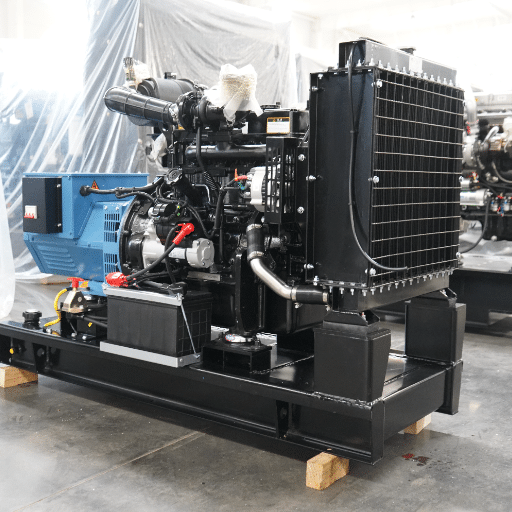



For portable diesel generators available on the market in 2026, prices typically range from $500 for small 2 kW units to $45,000 for 100 kW industrial mobile units. Buyers seeking reliable backup power or electricity for construction sites can generally find ideal options in the $1,500 to $12,000 price range, depending on power output, enclosure type, and engine brand.
Why do so many buyers choose diesel over gasoline for portable power? Diesel engines offer longer runtime, better fuel efficiency, and greater durability under heavy use. For contractors, farmers, telecom operators, and even homeowners in outage-prone areas, a portable diesel generator delivers stable power where grid supply is unreliable or unavailable.
This guide explains what to look for in a portable diesel generator for sale, how prices change by size and features, and how to source from manufacturers without overpaying. You’ll also see how portability, noise level, and fuel consumption affect the real cost over time.
Key Takeaways
- Portable diesel generators range from roughly 500for2kWunitsto500for2kWunitsto45,000 for 100 kW industrial sets.
- Silent enclosures add 12-25% to the base price but are often required for residential, event, and urban use.
- Diesel fuel consumption typically runs 0.25-0.35 liters per kWh, making diesel more efficient than gasoline for long runtimes.
- Factory-direct sourcing from Chinese manufacturers can reduce cost by 30-50% compared with retail brands.
- Sizing must include both running watts and startup surge watts, plus a 20-25% buffer for safe operation.
- Key safety features include AVR, low-oil shutdown, circuit breakers, and GFCI-protected outlets.
What Is a Portable Diesel Generator?

A portable diesel generator is a self-contained diesel engine and alternator set designed to be moved between locations or stored until needed. Unlike fixed standby generators, portable units don’t require permanent installation. They supply power for tools, appliances, equipment, and temporary sites.
Portable does not always mean lightweight. Small units for home or camping may weigh 50-80 kg and include wheels and handles. Larger mobile generator sets for construction or industrial use may sit on trailers or skids and weigh several hundred kilograms.
Most portable diesel generators produce single-phase or three-phase power at 50 Hz or 60 Hz. Output ranges from 2 kW for light household use to 100 kW or more for commercial and industrial applications. Some buyers confuse portable with inverter generators. A portable diesel generator uses a conventional alternator, while an inverter generator uses electronic conversion to produce cleaner power for sensitive electronics.
Carlos’s Story: Carlos manages construction crews across rural job sites in Latin America. He needed power for welding equipment, compressors, and lighting where grid connections were unavailable. After renting gasoline generators for three months, he calculated that fuel and rental costs exceeded the price of a 6 kW portable diesel generator. He bought a silent-frame diesel unit with electric start. The diesel engine burned less fuel per hour and required fewer refueling stops. Within one project cycle, the purchase paid for itself compared with rental expenses.
Portable Diesel Generator for Sale: Price Ranges in 2026
By Power Output
The table below shows typical price ranges for new portable diesel generators in 2026. Prices assume standard open-frame or basic enclosed configurations with Chinese or mid-tier engines.
| Power Range | Typical Price Range | Best For |
|---|---|---|
| 2-5 kW | 500−500−2,500 | Camping, home backup, small tools |
| 5-10 kW | 1,500−1,500−5,500 | RVs, workshops, light commercial |
| 10-20 kW | 4,000−4,000−12,000 | Farms, small businesses, events |
| 20-50 kW | 8,000−8,000−25,000 | Construction sites, mobile workshops |
| 50-100 kW | 16,000−16,000−45,000 | Industrial backup, telecom, rental fleets |
These ranges are wide because engine brand, alternator, enclosure, and control system all influence the final portable diesel generator price. A 6 kW open-frame unit with a Chinese engine might cost 1,200.A6kWsilentmodelwithaKubotaengine,Stamfordalternator,anddigitalcontrollercouldexceed1,200.A6kWsilentmodelwithaKubotaengine,Stamfordalternator,anddigitalcontrollercouldexceed4,500. Larger towable units scale with the same logic used in a 500kW diesel generator price analysis, where engine brand and enclosure type move the cost per kW.
What Moves the Price
Several factors determine where a portable diesel generator for sale falls within these ranges.
Engine brand and origin. Chinese engines such as Yuchai, Weichai, and Kama offer lower portable diesel generator prices. Premium brands like Kubota, Yanmar, Cummins, and Kohler cost more but provide wider service networks and longer track records.
Enclosure type. Open-frame units are the least expensive. Silent canopies add 12-25% to the base cost. Super-silent enclosures with advanced acoustic insulation can add 30% or more.
Starting system. Recoil start is common on small budget units. Electric start adds convenience and cost. Remote start or automatic transfer switch compatibility adds further cost.
Voltage and phase. Single-phase 230V units are standard for home and small commercial use. Three-phase 400V units cost more and are common for industrial tools and machinery.
Fuel tank and runtime. Larger fuel tanks extend runtime and add cost. Long-run tanks designed for 12-24 hours are popular for backup and telecom applications.
Certifications. CE, ISO9001, EPA Tier 4 Final, and CARB compliance all add engineering and testing costs. These certifications may be required depending on the destination market, and the EPA Tier 4 Final requirement is one of the largest cost drivers in regulated markets.
Accessories. Wheel kits, lifting eyes, trailers, ATS panels, and auxiliary fuel tanks add to the total package price.
Key Specifications to Compare

When evaluating a portable diesel generator for sale, start with these specifications.
Rated power vs maximum power. Rated power is the continuous output the generator can sustain. Maximum or surge power is the short-term output available for motor startup. Motors and compressors can require two to three times their running watts during startup.
Fuel consumption. Look for liters per hour or liters per kWh at rated load. Diesel engines typically consume 0.25-0.35 liters per kWh, which is one reason diesel units are widely recommended in portable diesel generator buying guides. Lower consumption means lower operating cost.
Noise level. Measured in decibels at a standard distance, usually 7 meters. Open-frame portable diesels produce 70-85 dB. Silent models produce 55-70 dB. Super-silent models can reach 50-60 dB.
Weight and portability. Small units may weigh 50-80 kg. Mid-size units range from 100-250 kg. Larger towable units exceed 1,000 kg. Wheels, handles, lifting points, and trailer mounting all affect mobility.
Runtime at load. A larger fuel tank and efficient engine extend runtime. Many buyers need at least 8-12 hours of runtime to avoid overnight refueling.
Starting system. Recoil start is simple but physical. Electric start is easier, especially for larger units. Remote or automatic start is valuable for backup applications.
Safety features. Automatic voltage regulation (AVR) protects voltage-sensitive equipment. Low-oil shutdown prevents engine damage. Circuit breakers and GFCI outlets protect users and loads.
| Specification | Why It Matters | Typical Range |
|---|---|---|
| Rated / max power | Determines what loads you can run | 2-100+ kW |
| Fuel consumption | Affects hourly operating cost | 0.25-0.35 L/kWh |
| Noise level | Determines where you can use it | 50-85 dB at 7 m |
| Runtime | Hours between refueling | 6-24+ hours |
| Weight | Ease of movement | 50 kg to 1,000+ kg |
Silent vs Open-Frame Portable Diesel Generators
Buyers often choose between open-frame and silent portable diesel generators. The right choice depends on where the unit will run.
Open-frame generators expose the engine and alternator for easy cooling and maintenance. They cost less and weigh less than enclosed units. The downside is noise. Open-frame portable diesels typically produce 75-85 dB, similar to a lawn mower or busy traffic. They are best for construction sites, farms, and industrial areas where noise is not restricted.
Silent canopy generators wrap the engine in an acoustic enclosure. Noise drops to 60-70 dB, comparable to normal conversation or a dishwasher. The enclosure adds weight and cost but makes the unit suitable for residential neighborhoods, hospitals, events, and urban job sites.
Super-silent generators use advanced acoustic engineering to reach 50-60 dB. These are common for premium commercial applications, outdoor events, and rental fleets in noise-sensitive areas.
Priya’s Story: Priya runs a poultry farm in South India. Power outages during summer could kill birds if ventilation fans stopped. She needed backup power but her farm is surrounded by homes. After checking portable diesel generator price options, she chose a 10 kW silent portable diesel generator. The canopy kept noise below 65 dB, which avoided complaints from neighbors. The unit runs the fans and feed systems for up to 12 hours on a single tank.
Best Applications for Portable Diesel Generators
Portable diesel generators serve many industries because they combine mobility with reliable power. A portable diesel generator for industrial use is often the most practical choice where grid power is unreliable or absent.
Construction sites. Workers need power for tools, lighting, welding, and compaction equipment. Portable diesel units handle high startup loads and run long hours. Towable models allow easy movement between phases of a project.
Farms and agriculture. Irrigation pumps, grain dryers, ventilation fans, and milking equipment all benefit from backup power. Diesel fuel stores well, which is important for seasonal use.
Telecom and remote sites. Cell towers, relay stations, and monitoring equipment need reliable off-grid power. Silent portable diesel generators with long-run tanks reduce site visits and fuel costs.
Events and outdoor power. Sound systems, lighting, catering, and ticket booths need quiet, dependable power. Silent models are usually required to avoid disrupting performances or speeches.
Home backup. Homeowners in areas with unstable grids use a small portable diesel generator for refrigerators, lights, pumps, and medical equipment. Electric start and ATS compatibility add convenience.
Mobile workshops. Mechanics, welders, and service technicians use portable diesel generators to power equipment at customer locations. A commercial diesel generator in this category often serves as the primary power source for service fleets.
How to Choose the Right Size

Choosing the right size portable diesel generator prevents overload, voltage instability, and wasted fuel. Follow these steps.
Step 1: List all loads. Write down every device the generator will power. Include running watts and startup watts for each item. Motors, compressors, and pumps have the highest startup demands.
Step 2: Add running watts. Sum the continuous power required by all devices that will run at the same time.
Step 3: Add the largest startup surge. Identify the device with the highest startup wattage. Add that surge to your running total. Do not add every startup surge simultaneously unless all motors will start at the same time.
Step 4: Add a safety buffer. Multiply the result by 1.2 to 1.25. This buffer prevents overload, allows for future load growth, and improves fuel efficiency.
For example, a small workshop might run:
| Load | Running Watts | Startup Watts |
|---|---|---|
| Lights | 400 W | 400 W |
| Power tools | 1,200 W | 1,500 W |
| Air compressor | 1,500 W | 3,500 W |
| Battery charger | 300 W | 300 W |
Total running watts: 3,400 W. Largest surge: 3,500 W. Combined: 6,900 W. With a 25% buffer: 8,625 W. An 8-10 kW portable diesel generator would be appropriate.
Factory-Direct vs Retail: Where to Buy
Buyers usually source portable diesel generators through two channels: retail dealers or factory-direct manufacturers.
Retail dealers and distributors offer local stock, warranties, and after-sales support. Prices are higher because they include import, storage, and service margins. This channel works well for buyers who need fast delivery and local support.
Factory-direct manufacturers, especially in China, offer lower portable diesel generator prices and more customization. Buyers can specify engine brand, alternator, controller, color, logo, voltage, and accessories. This channel suits:
- Distributors buying multiple units for resale
- OEM customers building private-label product lines
- Contractors with import experience and local service capability
- Buyers in markets where retail markup is high
Factory-direct sourcing requires attention to certification, inspection, shipping terms, and spare parts availability. Reputable manufacturers provide test reports, packing photos, and documentation for customs clearance.
Need help comparing sourcing options? Browse our industrial diesel generator range or contact our team for factory-direct pricing.
Thomas’s Story: Thomas owns an equipment rental company in Eastern Europe. He wanted to expand his portable generator fleet without paying premium retail prices. He contacted a Chinese portable diesel generator manufacturer and ordered 50 units across 5 kW, 7 kW, and 10 kW ratings. The factory added his company colors, branded control panels, and CE certification. His landed cost was 40% below comparable European retail prices. The margin allowed him to offer competitive rental rates while maintaining profitability.
What to Ask a Supplier Before Buying
Before placing an order, request clear answers to these questions.
- What is the rated and maximum power output?
- What engine and alternator brands are used?
- What is the fuel consumption at rated load?
- What is the noise level at 7 meters?
- What starting options are available?
- Is the unit single-phase or three-phase?
- What certifications does it carry for my market?
- What is the warranty period and what does it cover?
- Are spare parts available locally or from the factory?
- What are the shipping terms: EXW, FOB, CIF, or DDP?
A transparent supplier will provide specification sheets, test videos, and references. Vague answers about fuel consumption, noise, or certification should raise concerns. When in doubt, ask for a video factory inspection or third-party test report. Independent portable diesel generator buying guides also recommend verifying engine brand, alternator, and warranty terms before committing to a supplier.
Maintenance and Total Cost of Ownership

The purchase price is only part of the cost. Operating and maintenance costs matter over the generator’s life.
Fuel. Diesel is more energy-dense and efficient than gasoline.Based on a fuel price of $1.00 per liter and a fuel consumption rate of 0.30 liters per kilowatt-hour, the fuel cost for a 5 kW generator operating at 75% load is $1,100.
Oil and filters. Diesel generators need regular oil changes, air filter cleaning, and fuel filter replacement. Intervals vary by runtime and environment but typically fall between 100 and 250 operating hours.
Exercise runs. Generators that sit idle for long periods should run under load for 20-30 minutes every few weeks. This keeps seals lubricated, prevents fuel degradation, and identifies problems early.
Fuel storage. Diesel stores 2-3 times longer than gasoline with proper treatment. Keep tanks clean, use biocides in humid climates, and rotate fuel to avoid contamination.
Spare parts. Common wear parts include belts, hoses, batteries, injectors, and alternator bearings. Confirm parts availability before buying from an unfamiliar brand.
A simple generator maintenance checklist helps owners track oil changes, inspections, and exercise runs. Good maintenance extends service life and prevents costly failures.
Frequently Asked Questions
How much does a portable diesel generator cost?
Prices range from about 500fora2kWunitto500fora2kWunitto45,000 for a 100 kW industrial set. Most buyers spend 1,500−1,500−12,000 for units between 5 kW and 20 kW.
What size portable diesel generator do I need?
Add your running watts plus the largest startup surge, then multiply by 1.2 to 1.25 for a safety buffer. A small home may need 3-5 kW. A workshop or farm may need 8-15 kW. Construction sites often need 20 kW or more.
Are portable diesel generators loud?
Open-frame models produce 75-85 dB. Silent models produce 60-70 dB. Super-silent models can reach 50-60 dB. Choose the enclosure based on your location and noise regulations.
Can I use a portable diesel generator for home backup?
Yes. Many homeowners use 5-10 kW portable diesel generators for essential loads. Electric start and ATS compatibility make operation easier. Never run a generator indoors because of carbon monoxide risk.
Is diesel better than gasoline for portable generators?
Diesel is more fuel-efficient, durable, and stores longer than gasoline. It is preferred for heavy use, long runtimes, and commercial applications. Gasoline may be cheaper upfront but costs more to run over time.
What is the difference between kW and kVA?
kW is real power. kVA is apparent power, which includes reactive power. The relationship depends on power factor, typically 0.8 for generators. A 10 kVA generator delivers about 8 kW.
How long can a portable diesel generator run?
Runtime depends on fuel tank size and load. Small units may run 6-10 hours. Mid-size units with long-run tanks can operate 12-24 hours or more. Large industrial portable sets may run several days with external fuel tanks.
Should I buy from a manufacturer or a dealer?
Buy from a dealer if you need local support, fast delivery, and warranty service. Buy factory-direct if you want lower prices, customization, or multiple units. Verify certifications and spare parts availability either way.
What certifications should a portable diesel generator have?
Common certifications include CE for Europe, EPA Tier 4 Final for the United States, CARB for California, and ISO9001 for quality management. Your destination market determines which certifications are required.
Can portable diesel generators be customized?
Yes. Manufacturers can customize voltage, frequency, phase, control systems, fuel tanks, color, logo, and accessories. Customization is common for OEM customers and distributors.
Conclusion
A portable diesel generator for sale is more than a backup power source. It is a mobile power solution for construction, agriculture, telecom, events, and homes. The right unit depends on your load profile, runtime needs, noise limits, and budget.
Start by sizing the generator correctly. Then compare specifications such as fuel consumption, noise level, starting system, and certifications. Decide whether an open-frame or silent model fits your application. Finally, choose a supplier that offers clear specifications, reliable support, and spare parts availability.
For buyers who need multiple units, private-label products, or export pricing, factory-direct sourcing from established manufacturers can reduce cost significantly. The key is to balance upfront price with long-term reliability and operating cost.
Looking for a portable diesel generator for sale that matches your power needs? Browse our diesel generator solutions or contact our engineering team for a factory-direct quote and specification guidance.