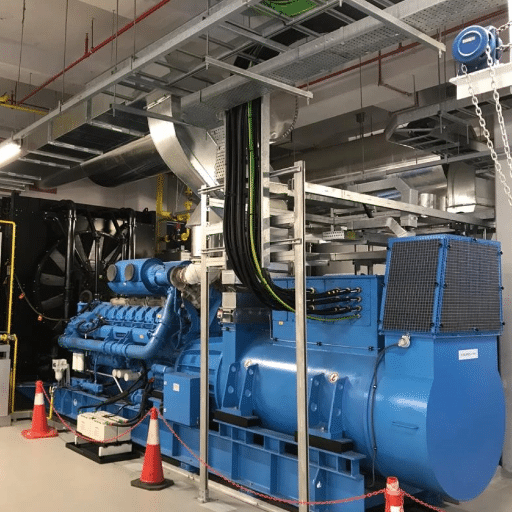


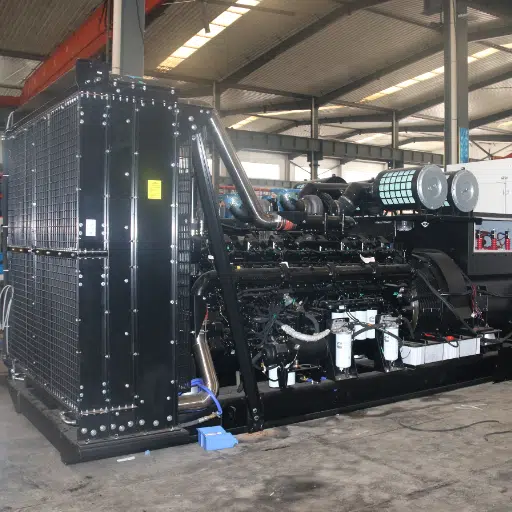
A generator set, commonly called a genset, is a complete power generation unit that combines an engine with an alternator to convert mechanical energy into electrical energy. Unlike a standalone generator, which typically refers only to the alternator, a generator set includes the engine, fuel system, cooling system, exhaust system, control panel, and often an automatic transfer switch (ATS).
When the grid goes down, operations stop. For a hospital, that means life-support equipment loses power. For a factory, production lines halt and revenue disappears by the minute. For a data center, downtime can cost thousands of dollars per second. A generator set exists to prevent these failures by providing reliable backup or prime power when the main supply is unavailable.
This guide explains what a generator set is, how it works, what it contains, and how to choose the right one for your project. Whether you are a procurement manager, contractor, or facilities engineer, you will leave with a clear understanding of generator sets and how they protect critical operations.
Key Takeaways
- A generator set is a complete power system, not just an alternator. It includes the engine, alternator, fuel system, control panel, cooling system, and often an ATS.
- The main difference between a generator and a generator set is that the generator produces electricity, while the generator set is the full working unit that drives it.
- Generator sets work by burning fuel in an engine to spin an alternator, which converts mechanical energy into usable electrical power.
- Common applications include hospitals, data centers, construction sites, factories, mining operations, and telecom towers.
- Choosing the right generator set requires calculating power demand, selecting the right duty type, evaluating the installation environment, and partnering with a capable supplier.
What Is a Generator Set?

A generator set is an integrated power system designed to produce electricity independently from the main grid. The term “genset” is simply a shortened version of “generator set.” Most industrial generator sets use a diesel engine, but natural gas, gasoline, and biogas options are also available depending on the application.
When people ask, “what is a generator set,” they are often looking for more than a dictionary definition. They want to know what makes it different from buying a generator alone, and why businesses choose complete sets instead of assembling components separately.
Liu Wei, a facilities manager at a manufacturing plant in Shandong, learned this distinction the hard way. His team initially purchased only an alternator and engine from different suppliers, assuming integration would be simple. They soon discovered mismatched specifications, missing control logic, and no single vendor to call when the system failed during testing. After switching to a complete diesel generator set, the plant had one supplier, one warranty, and a system that started reliably every time.
A generator set is valuable because it arrives as a tested, coordinated system. The components are engineered to work together, which reduces installation risk and improves long-term reliability.
Generator Set vs Generator: What Is the Difference?
Many people use “generator” and “generator set” interchangeably, but they are not the same thing. Understanding the difference helps buyers avoid confusion and purchase the right equipment.
| Feature | Generator | Generator Set |
|---|---|---|
| Definition | The electrical device that converts mechanical energy into electricity | A complete system including engine, alternator, fuel system, controls, and supporting systems |
| Also called | Alternator | Genset |
| Can run alone? | No, it needs an external power source to spin it | Yes, it includes its own engine |
| Typical use | Component within a larger power system | Standalone backup or prime power source |
| What you receive | One electrical component | A fully integrated power unit |
The generator is the part that produces electricity. The engine is the part that provides the mechanical force. The generator set combines both, plus everything else needed to run safely and automatically.
This distinction matters for procurement. If you buy only a generator, you still need to source and integrate the engine, fuel tank, exhaust, cooling, controls, and starting system. A generator set eliminates that complexity by delivering a ready-to-install solution.
How Does a Generator Set Work?

A generator set works through a straightforward energy conversion process. Here is the sequence in simple terms:
- Fuel combustion: The engine burns diesel, natural gas, or another fuel to create mechanical energy.
- Mechanical rotation: The engine turns a crankshaft connected to the alternator.
- Electricity generation: The alternator uses electromagnetic induction to convert rotation into electrical energy.
- Voltage regulation: The automatic voltage regulator (AVR) keeps output stable, protecting connected equipment.
- Power distribution: Electricity flows through the control panel to the building or equipment that needs it.
- Automatic switching: When equipped with an ATS, the system detects grid failure, starts the genset, and transfers the load automatically.
When grid power returns, the ATS switches the load back to the main supply and the generator set enters a cool-down period before shutting off.
At a data center in Singapore, the engineering team tested this exact sequence during a planned blackout drill. The ATS detected the outage in under two seconds, the diesel generator set reached full power within ten seconds, and critical servers never lost electricity. That level of response is why generator sets are considered essential infrastructure for mission-critical facilities.
Main Components of a Generator Set
A complete generator set includes several integrated components. Each one plays a specific role in producing and managing power.
Engine
The engine is the power source. It burns fuel to create the mechanical rotation needed to drive the alternator. Diesel engines are the most common choice for industrial generator sets because of their durability, fuel efficiency, and ability to handle heavy loads.
Alternator
The alternator converts mechanical energy into electrical energy. Its quality directly affects voltage stability, waveform quality, and overall reliability.
Fuel System
The fuel system includes the fuel tank, fuel pump, filters, and injectors. Fuel capacity determines how long the generator set can run without refueling, which is critical for extended outages.
Cooling System
Engines generate significant heat. The cooling system, which may use air or liquid cooling, prevents overheating and protects engine components.
Exhaust System
The exhaust system removes combustion gases safely and reduces noise. In sensitive environments, additional soundproofing may be required.
Control Panel
The control panel monitors performance, displays operating parameters, and manages startup and shutdown. Modern panels include digital displays, remote monitoring, and fault detection.
Automatic Transfer Switch (ATS)
The ATS monitors grid power and automatically transfers the electrical load to the generator set during an outage. It returns the load to grid power once supply is restored.
Battery and Starting System
The battery provides the initial power to start the engine. A weak or poorly maintained battery is one of the most common causes of generator set failure to start.
Shandong Huali manufactures industrial generator sets with these components integrated and tested before delivery. This approach reduces installation time and improves field reliability.
Types of Generator Sets
Generator sets come in several configurations. The right type depends on fuel availability, runtime requirements, noise limits, and application environment.
Diesel Generator Sets
Diesel generator sets are the standard for industrial and commercial backup power. They offer high efficiency, long lifespan, and strong performance under heavy loads.
Natural Gas Generator Sets
Natural gas generator sets produce cleaner emissions and are often used where emissions regulations are strict or where natural gas supply is reliable.
Portable vs Stationary
Portable generator sets are smaller units used for construction sites, events, and emergency response. Stationary generator sets are permanently installed and connected to a building’s electrical system.
Prime, Standby, and Continuous Power
- Prime power: The generator set is the main source of power, often used where grid access is unavailable.
- Standby power: The unit operates only during grid outages.
- Continuous power: The unit runs nonstop at a constant load, common in remote industrial operations.
Selecting the correct duty rating is essential. A standby-rated generator set should not be used for continuous operation, and vice versa.
Common Applications of Generator Sets

Generator sets are used across many industries where power reliability is critical. Here are the most common applications.
Hospitals and Healthcare
Hospitals require uninterrupted power for operating rooms, intensive care units, and life-support equipment. Generator sets provide backup power within seconds of a grid failure.
Dr. Patel, the head of facilities at a regional hospital, recalls the moment a winter storm caused a citywide blackout. The hospital’s diesel generator set started automatically, and critical systems stayed online. Patients on ventilators and surgical equipment were never at risk. Without the genset, the hospital would have faced an evacuation.
Data Centers
Data centers cannot afford downtime. Generator sets provide the final layer of defense against power interruptions that could damage servers and disrupt services.
Manufacturing and Factories
Factories rely on generator sets to maintain production lines, protect inventory, and avoid costly shutdowns during grid instability.
Construction Sites
Remote construction sites often lack grid access. Portable generator sets power tools, lighting, and temporary offices.
Mining Operations
Mining sites operate in remote locations where grid power is unavailable. Heavy-duty generator sets supply the continuous power needed for extraction and processing equipment.
Telecom Towers
Telecom infrastructure must remain operational at all times. Generator sets ensure mobile networks stay connected during outages.
Agriculture
Farms use generator sets for irrigation systems, grain drying, and livestock operations where grid power is unreliable.
Why Generator Sets Matter for Industrial Operations
Power interruptions are not just inconvenient. They are expensive. According to the U. S. Energy Information Administration, industrial and commercial users experience billions of dollars in losses annually due to power outages and grid instability. A properly sized generator set reduces this risk in several ways.
Business Continuity
A generator set keeps critical systems running during outages. This protects revenue, maintains customer trust, and prevents operational disruption.
Equipment Protection
Sudden power loss can damage machinery, corrupt data, and spoil temperature-sensitive inventory. Generator sets provide clean, stable transitions that protect connected equipment.
Regulatory Compliance
Many industries, including healthcare and data centers, are required by regulation to maintain backup power. Generator sets help organizations meet these requirements.
Cost Efficiency
While a generator set requires upfront investment, the cost of downtime often exceeds the purchase price many times over. Fuel-efficient designs also reduce long-term operating costs.
Scalability
Generator sets can be sized for current needs and upgraded as operations grow. Parallel systems allow multiple units to work together for larger power demands.
How to Choose the Right Generator Set

Selecting the right generator set requires more than comparing prices. Buyers should evaluate technical requirements, operational needs, and supplier capability.
Calculate Power Requirements
Start by listing all equipment the generator set will power. Add up running watts and starting watts, especially for motors with high inrush current. Include a safety margin of 10 to 25 percent for future expansion.
Choose the Duty Type
Determine whether the generator set will provide prime, standby, or continuous power. This affects engine sizing, cooling requirements, and maintenance schedules.
Evaluate Runtime and Fuel Needs
Estimate how long the generator set must run during an outage. Larger fuel tanks or external fuel storage extend runtime but require proper installation and safety measures.
Consider the Installation Environment
Temperature, humidity, altitude, dust, and noise limits all affect generator set performance. Enclosed and soundproof models are ideal for hospitals, schools, and residential areas.
Assess Supplier Capability
A reliable supplier should offer engineering support, customization, testing documentation, and after-sales service. Shandong Huali provides end-to-end support, from consultation to installation and maintenance.
Selection Checklist
- Calculate total load with safety margin
- Select prime, standby, or continuous duty rating
- Confirm fuel type and storage capacity
- Evaluate environmental conditions
- Plan installation location and ventilation
- Verify supplier support and warranty terms
Need help selecting a generator set? Contact our engineering team for a tailored recommendation based on your project requirements.
Basic Generator Set Maintenance Tips
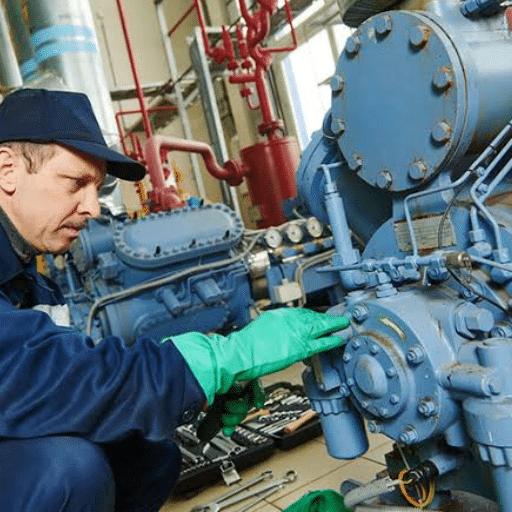
A generator set is only reliable if it is properly maintained. Regular maintenance extends service life, reduces failure risk, and ensures the unit starts when needed.
Inspect Regularly
Check fuel levels, oil levels, coolant levels, and battery condition on a scheduled basis. Look for leaks, corrosion, and loose connections.
Change Oil and Filters
Follow the manufacturer-recommended intervals for oil changes and filter replacement. Dirty oil reduces engine life and increases fuel consumption.
Test Under Load
Run the generator set under actual load periodically. This helps identify problems that may not appear during no-load testing.
Maintain Fuel Quality
Contaminated fuel is a leading cause of generator set failure. Use clean fuel, treat it if stored long-term, and inspect tanks for water or sediment.
Service the Cooling System
Keep radiators, hoses, and coolant levels in good condition. Overheating is one of the most common causes of engine damage.
Keep Records
Document all inspections, tests, and repairs. Detailed records help track performance trends and simplify warranty claims.
Conclusion
A generator set is more than a piece of equipment. It is a complete power solution that protects businesses from the high cost of outages and keeps critical operations running under demanding conditions. When someone asks “what is a generator set,” the full answer includes the engine, alternator, controls, fuel system, cooling system, and automatic transfer switch working together as one reliable unit.
Understanding the difference between a generator and a generator set, knowing how the system works, and selecting the right configuration for your application are essential steps for any B2B buyer. With proper sizing, installation, and maintenance, a generator set delivers stable power for years.
If you are evaluating generator sets for your next project, start with a clear power assessment and partner with a supplier who can support you through design, delivery, and long-term operation. The right generator set does not just provide backup power. It provides confidence that your operations will continue, no matter what happens to the grid.
Ready to find the right generator set for your project? Explore our industrial generator solutions or contact our team for expert guidance.