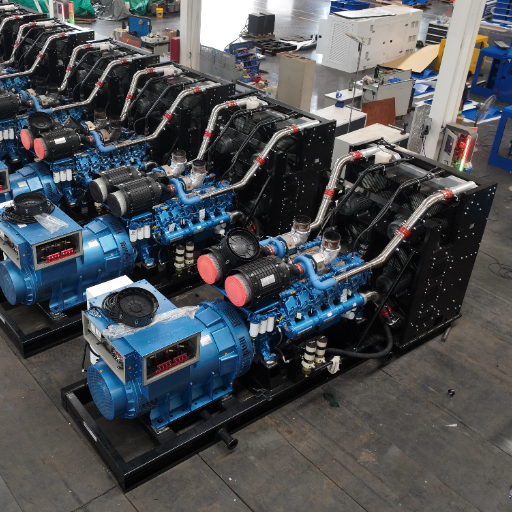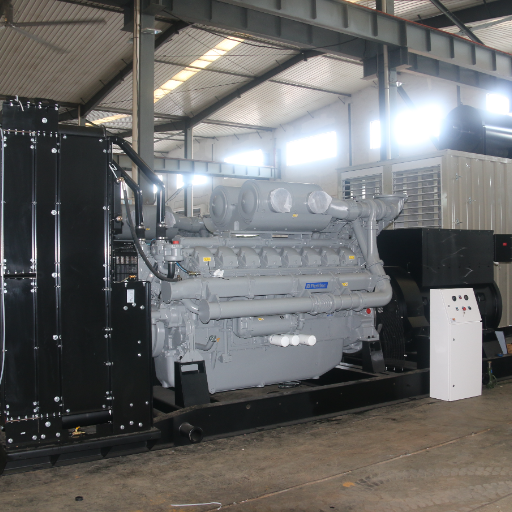


HVO for standby diesel generators can be an option for an approved set. The approval must cover the exact engine, complete set, fuel and duty. Before you switch, check those documents. Then accept the fuel batch, check runtime and record the agreed tests.
A tank can carry the right fuel name while the project still lacks permission to use it. If you manage backup power, you need more than a broad claim. Whose approval applies?
What remains in the tank? Who signs release? This guide turns those questions into a document trail and a go-or-hold decision.
Key Takeaways
- Match engine and genset identities to the relevant fuel bulletin, including configuration exceptions.
- Record the delivered specification, batch and residual fuel before accepting the final blend.
- Check runtime using usable litres and the relevant HVO consumption rate.
- Keep test results, open findings and signed release together; retain fuel-condition monitoring.
For a proposed set, prepare a diesel-generator configuration enquiry with the engine identity, standby duty and required runtime. Ask specifically for the supporting fuel-approval documents.
What HVO changes in a standby diesel generator
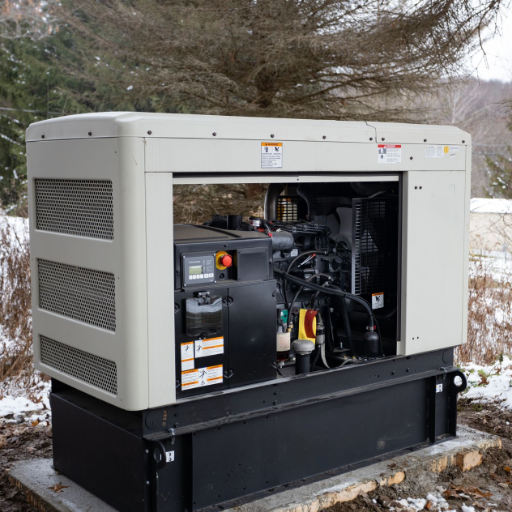
HVO, FAME and fuel standards
HVO means hydrotreated vegetable oil. It is a processed paraffinic fuel. You may also see it called renewable diesel.
It is not raw vegetable oil poured into a diesel tank. It also differs from biodiesel made of fatty acid methyl esters, or FAME.
The distinction matters when reading approval limits. A blend limit for FAME does not set the HVO limit. Check which fuel each statement covers.
Record the fuel’s actual commercial name and specification rather than writing only “biofuel” on a purchase order. Do not turn a waste-oil conversion anecdote into instructions for an industrial standby set.
The Cat renewable-fuels FAQ for 3500 and C175 sets explains the HVO/FAME distinction and identifies EN 15940 as the preferred HVO standard. The relevant engine maker’s requirements still govern the proposed application. A fuel label alone does not resolve equipment approval.
What an environmental claim must identify
Lifecycle carbon accounting and exhaust emissions answer different questions. Cat distinguishes a possible lifecycle CO2 reduction from the CO2 leaving the exhaust. Avoid describing a running diesel generator as zero-emission because its fuel is renewable.
To support a carbon claim, ask how the fuel was made. Request the supplier’s feedstock or pathway evidence. Get the calculation method and records that trace it to your delivery.
For local air compliance, check the relevant equipment documents and project conditions separately. A brochure percentage cannot prove your batch’s footprint. It cannot give permission to run your set either.
Get exact-model approval for HVO standby operation
Whose approval covers the whole set?
Begin with both identities: the engine and the complete generator set. The set and engine makers may issue separate documents. Fuel-system parts may have their own limits too. Use the generator nameplate guide to organize identification; do not assume the alternator plate identifies the engine.
Record both model and serial numbers. Add rated output, frequency and standby duty. Include the emissions setup and any build options that affect approval.
Ask the engine maker or distributor for the relevant fuel bulletin and revision. Ask the genset integrator to confirm how that permission applies to the assembled set and its fuel system.
Read the scope and the footnotes
The Cummins HVO FAQ, bulletin 6408485, revision 10/23, requires EN 15940 fuel and describes G-Drive approval for standby applications. Read its footnote. It excludes some configurations of QSX15-powered sets.
It directs readers to the fuels bulletin for details. A general Cummins headline cannot settle an unresolved configuration.
Cat’s cited FAQ covers 3500 and C175 sets at the stated operating speeds. Its performance discussion distinguishes those families. That is a reason to read the matching technical material, not evidence that an unrelated engine or a ShanHua assembly has the same approval or performance.
Illustrative scenario: A buyer has a brand brochure and a QSX15 engine listed in the equipment schedule. The dossier does not identify whether its configuration is covered. Mark fuel switching hold, attach the model and serial details, and request a matching written answer. Do not treat a successful start as a substitute for that answer.
Build an approval dossier
Use one row for each requirement and retain the source document beside it. These are recommended project record fields, not a universal regulatory form.
| Requirement | Identity or evidence to enter | Decision question |
|---|---|---|
| Complete set | Maker, model, serial and build options | Does the integrator confirm applicability? |
| Engine | Model, serial and configuration | Is this version included or excepted? |
| Duty and rating | Standby rating, frequency and site conditions | Does approval cover this use? |
| Fuel | Product, specification and intended blend | Does it meet the matching bulletin? |
| Documents | Bulletin number, revision and written clarification | Is the source relevant and current? |
| Release | Reviewer, date, open question and decision | Approve, hold or request clarification? |
Keep unanswered questions visible. For example, a bulletin revision may be known while its scope is still unclear. Enter that gap in the row for the engine.
Give it a due date before the planned fuel delivery. When an answer arrives, retain the full response and its reference. A check mark alone will not explain the decision to the next reviewer.
Before purchase, name the person who must obtain each answer. Name the reviewer too. Don’t leave an open question without an owner.
A supplier’s assurance that the fuel is compliant answers a different question from whether the equipment may use it. File both answers, rather than letting one stand in for the other.
Accept the fuel batch and inspect the storage system
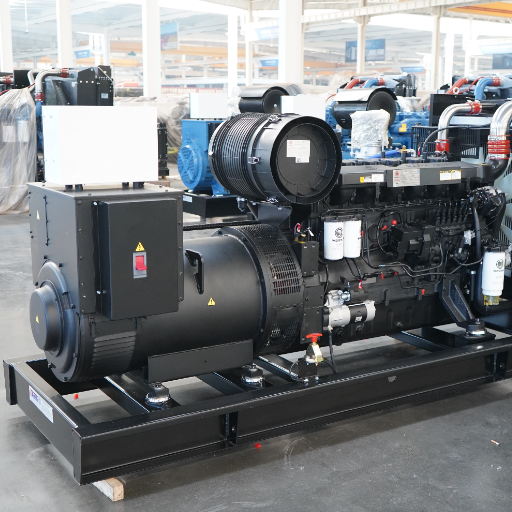
Match the delivery to the accepted specification
A certificate describes a delivery, not everything already inside the installation. Ask the supplier for the batch identity and proof it meets the required specification. Get the handling instructions.
Confirm that the grade suits the site’s full ambient range. Match the delivery note and certificate to the approved product. Do this before fuel transfer, under the site’s receiving procedure.
Keep a record that another shift can follow:
| Receiving field | What to record |
|---|---|
| Delivery | Date, supplier, product and batch reference |
| Certificate | Specification, certificate reference and acceptance reviewer |
| Existing contents | Tank identity, residual fuel type and known blend history |
| Ambient suitability | Delivered grade and supplier’s site-temperature guidance |
| Condition | Sampling reference, water or debris findings and open actions |
| Acceptance | Applicable instructions, receiver and go/hold decision |
Resolve residual fuel and cold-weather questions
The Cummins FAQ permits diesel/HVO blends within its stated application scope. That does not identify unknown fuel already in a tank. It does not erase FAME content or approve every other engine.
Record the remaining contents and check the resulting blend against the relevant OEM instructions. Do not invent a universal draining, flushing or additive procedure.
Illustrative scenario: A storage tank is partly full, but the old delivery records do not identify the fuel blend. The new HVO certificate is complete. Receiving remains on hold for the unresolved tank contents; the reviewer seeks the missing records and an agreed assessment. This example does not prescribe automatic disposal or claim that the tank has passed testing.
Cold weather needs a specific answer too. Cummins says to check the purchased HVO against all site ambient conditions. It warns that traditional blending or anti-gelling methods may not work.
Ask about the delivered grade before ordering. Do not infer suitability from the word HVO or copy an additive dose from diesel advice.
Inspect condition without inventing a service interval
Review tanks, hoses, seals, transfer equipment, separators and filters against the relevant component and OEM instructions. Record leaks, water, debris and unresolved findings. Link those observations to the site’s fuel-filter maintenance records rather than imposing a blanket filter-change interval.
If you need samples, agree where to take them. Ask the responsible specialist to define how the results will be judged. The aim here is to accept the fuel supply and storage system.
Lab results need their own sampling record and decision trail. Keep the delivery certificate, condition findings and approval decision connected.
Recheck usable runtime and load acceptance
Separate engine power from electrical output
A set can meet its electrical load and still miss the required runtime. The Cummins QSK95 HVO test summary reports 3–5% higher volumetric consumption in its comparison. It also discusses a potential 1–2% mechanical power difference at the engine dataplate standby rating. The effect on electrical output depends on engine margin.
Those findings describe the tested equipment and conditions. They are not a universal electrical derating factor. Cat likewise distinguishes expected performance by engine family.
Get the output and fuel-rate basis for your set, load and site. Don’t change engine controls to recover presumed lost power.
Calculate runtime from usable fuel
Use this planning relationship: runtime in hours = usable fuel volume in litres ÷ relevant consumption in litres per hour. First deduct agreed reserves and fuel that cannot be drawn from the tank. A tank’s nominal capacity is not automatically the volume available to meet the project requirement.
Hypothetical calculation, not product data: Suppose 1,000 litres are usable after those allowances. At 100 L/h, calculated runtime is 10 hours. If the relevant HVO planning rate were 105 L/h, runtime would be about 9.52 hours.
The fuel rate rises by 5%. Runtime falls by about 4.8%. These are different percentages: runtime falls as the rate of fuel use rises.
Cummins’ cited FAQ recommends adding 5% to data-sheet consumption for its application planning. Confirm the latest matching guidance before using that allowance. Do not transfer it to an unrelated model or present the hypothetical rates above as a ShanHua measurement.
Review generator fuel-tank options if the arrangement needs reassessment. Keep each input separate in the worksheet. Record usable volume, required reserve, load basis and refill assumptions.
Does the load change? Use an agreed load profile. Don’t rely on one convenient fuel-rate point.
Keep the data-sheet revision and rate source beside the calculation. State whether the rate is a planning value or a measured test result. If the approved rate is still missing, mark runtime unresolved.
A guessed rate cannot close that gap. Compare the calculated hours with the project requirement before signing the worksheet. Load acceptance and runtime each need a documented basis.
Follow a controlled fuel-switch checklist
Use a sequence with hold points. Use this workflow to plan the change. The project’s authorized team must supply the methods and limits.
It must also say which checks need a witness. Keep backup coverage in place during the work. A fuel delivery is not permission to interrupt it.
1. Confirm approval and continuity
Close the equipment, duty and fuel questions in the dossier. Identify the responsible operator, integrator, fuel supplier and test reviewer. Agree the work window, backup arrangements and conditions for stopping the change.
Keep an approved fallback plan. If you switch back, follow the relevant fuel and equipment instructions too.
2. Record the baseline and condition
Retain the current operating record, known alarms, fuel identity and available consumption data. Record site and load conditions. Reviewers will need them to compare later results.
Complete the required tank and fuel-system checks. Keep old faults on the record. Don’t let them become an unexplained result of the switch.
3. Receive and trace the delivery
Match the accepted certificate, batch and delivered product. Resolve the residual-fuel assessment and record the resulting blend basis. Follow the approved handling procedure.
Is an identity or condition still unknown? Stop at that hold point. Name an owner to resolve it before release.
4. Run the agreed acceptance checks
Use the generator inspection and test plan to organize review and witness points. The approved procedure should list the required starts and loads. It should define transient checks too.
Put the limit used to judge each result beside that check. Do not insert universal voltage, frequency, duration or load-step limits into a project-specific test.
Record the equipment identity, fuel batch or blend, load, ambient conditions, readings and alarms. Check for leaks and other specified observations. If you assess fuel rate, record the method and conditions.
Keep that evidence for the runtime review. A start with no load cannot establish every required load or runtime outcome.
5. Review findings and sign release
Archive the actual results in a generator load test report. Compare each required result with its named acceptance reference. Use a short release table:
| Field | Entry needed |
|---|---|
| Requirement | Check name and source limit |
| Result | Reading, observation and test record reference |
| Open item | Owner, action and effect on release |
| Decision | Pass or hold, reviewer and date |
Keep the readings, not just the pass label. Note any test that was deferred and why. Give every open item an owner, action and release consequence.
A delivery receipt cannot close an unresolved approval exception. Nor can an engine start.
The release record should name the reviewer and state what was accepted: unit, fuel, duty, test scope and any conditions. If a required result is missing, keep the switch on hold. Do the same for a result outside its limit.
Use the approved backup plan. Attach this checklist to the ITP so procurement, operations and the test reviewer work from the same evidence.
Keep storage, warranty and environmental records current
Keep a named owner for fuel condition
HVO is not permission to retire the fuel-condition log. Cummins’ FAQ retains similar storage and polishing recommendations for diesel and HVO, noting that water and environmental debris can still contaminate fuel. It allows less frequent polishing where fuel-test trends justify it. That does not mean you can stop maintenance based on a fuel label.
Name the owner. Keep sample references, condition trends and supplier instructions together. State the next review action.
Integrate these with the site’s fuel-system maintenance process. Do not promise unattended storage for a fixed number of years or assume every additive is effective in the new fuel.
Retain warranty and supply evidence
The Cummins FAQ ties warranty coverage to products listed for HVO in its fuels bulletin. Keep that applicability evidence with delivery records and maintenance history. For other equipment, obtain the relevant maker’s position. This article cannot issue warranty approval for an unidentified installation.
Compare quotes on the same basis. Match volume, location, fuel specification and delivery terms. Include replenishment availability, minimum order, storage needs and any supported change in consumption.
Avoid a generic price premium or payback claim. Confirm what fuel can be supplied during an extended outage, not only what is available for the first fill.
Separate reporting evidence from permit review
Illustrative scenario: A reporting team receives an HVO invoice but no evidence for the supplier’s claimed lifecycle factor. Keep that factor unresolved and request its method and traceability. Do not apply a generic carbon-reduction percentage to make the reporting file look complete.
For permits, submit the relevant equipment and fuel information to the responsible project reviewer or authority. Cummins notes that permits based on fuel use may need to account for the higher rate. Local authorities decide site permits.
File the approval response and lifecycle calculation separately. Neither replaces the other.
HVO standby-generator FAQs and final decision
Can I mix HVO with diesel already in the tank?
The Cummins FAQ permits diesel/HVO blends within its stated scope. First identify the fuel already in the tank. Check its blend history.
Read the engine and set instructions. Record the residual contents and proposed delivery. Permission to mix known compliant fuels does not identify an unknown tank mixture or approve every engine.
Does HVO need engine modifications?
HVO is described as a drop-in fuel in the cited OEM guidance for covered applications. Check that it covers your exact engine, complete set and fuel system. Don’t change controls or improvise a conversion to bypass missing approval. Ask the responsible maker for a written answer.
Will HVO reduce backup runtime?
Yes, if fuel use in litres per hour rises and usable tank volume stays the same. Calculate runtime from the approved rate and usable volume, with reserves explicit. The QSK95 test findings and Cummins planning allowance provide scoped examples, not a universal fuel-rate factor for every standby set.
Can I stop testing or polishing the stored fuel?
Do not stop solely because the fuel is HVO. The Cummins FAQ retains similar storage and polishing guidance and recognizes water and debris contamination. Review the maintenance plan using equipment instructions, supplier guidance and fuel-test trends. Any changed frequency needs a documented basis and an owner who accepts it.
Will the warranty and air permit remain valid?
Check them separately. Warranty depends on the relevant maker’s fuel approval and terms for the identified equipment. Site permitting depends on the relevant authority and project conditions, including any consumption-based limits.
Keep both responses in the dossier. A public brand statement or fuel certificate cannot settle every site-specific requirement.
Make the decision from the records
Release the switch only when required approvals, receiving findings, runtime checks and acceptance results are resolved. Otherwise retain the hold and assign the next action. To assess HVO for standby diesel generators, start with the documents for your unit. For a diesel-generator enquiry, send the set and engine identities, standby duty, ambient range, runtime requirement and available fuel documents so the missing evidence is clear.