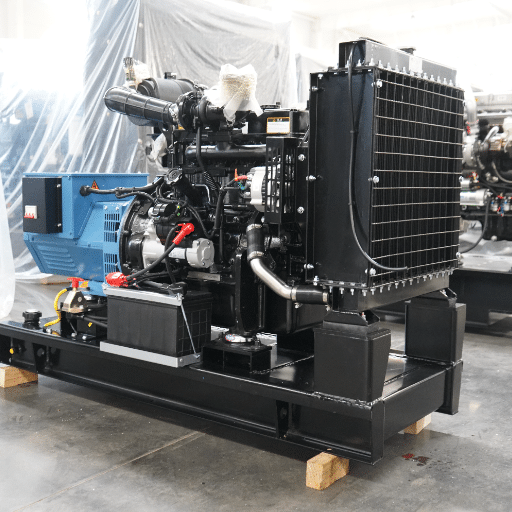


Understanding Generator Maintenance

Generator maintenance involves inspecting and maintaining machines to aid in their optimal performance and unfailing operation. Moreso, the care often involves such procedures as checking filtration, lubricating, and cooling components, testing the battery, changing filters, inspecting fluid reservoir levels, and inspecting system controls. Regular and systematic maintenance is an important aspect since it helps to maintain the performance level of the available equipment by addressing the potential areas of deterioration or contamination failure early enough to prevent the collapse itself under a working condition. Stick to the equipment’s guidance for maintenance as well as follow it strictly concerning the use of the manufacturer’s authorized OEM spares without contravening it in any way is the best way to operate equipment for a maximum period of time.
What is Generator Maintenance?
It goes without saying that carrying out maintenance on a generator is exceptionally important. It contributes to the equipment’s effective functionality, elimination of stand-by time and increase the life of the generator. Failure to carry out maintenance practice may result in operational inefficiencies, unplanned damages, and high cost of repair works at critical power interruptions. In addition, such preventive measures as inspection of electrical connections, verification of carrying capacity and lubrication oil consistency are ranked in the category of normal or routine maintenance. Last but not least, caution should be taken with respect to checking for any development of rust, the fuel being polluted or the wearing of gears and structure in place. Following a maintenance plan is very important from the viewpoint of system and load performance safety and avoidance of faults since it is understood that devices such as engine generators must be maintained in perfect condition to serve their purpose.
The Importance of Regular Generator Maintenance
A dependable precautionary maintenance configuration accounts for permanent functionality and endurance of the synthetic fabric. Periodic evaluation of fueling gears comprising filters and reservoirs is inevitable to entirely cut off all chances of fuel going bad or getting contaminated even at minor spillages. The conditioner of air should be checked and serviced regularly to account for the cooling of the machine and the engine which heats up the machine. The conditions of all the feed machinery relevant systems have to be closer and checked on a regular basis so that such batteries are managed by the generator of dew issues are always necessary. Additionally, lubrication systems should be controlled to make sure proper oil quantity and oil thickness is maintained which would also involve checking for a smooth surface in the internal parts of the machines.
Industry reports suggest that conduct like load bank testing maintenance and system calibration serves to improve the machine’s performance a lot. They also help in the management of the machines by intentionally exercising and operating the machine parts at such planned intervals. This type of inaction is ill-motivated by some statistics, which demonstrate that the instances of equipment failure during emergency operations due to inadequate support increased by nearly 60%. As can be seen, it is inconceivable not to stick to the rules involved. Putting these practices in place in the existing upkeep schedule, enables the businesses concerned to continuously maintain their generators capable for even nonordinary purposes.
Common Issues with Standby Generators
Every application uses standby generators in electrical installations to contribute reliability in service during lack of utility supply since installation mains are not always available. Despite the above situations where is need of the service to have a standby generator, the service has a great limitation in its application. However, under one of the circumstances, it is always better to go for a standby generator rather than losing corporate information or the extra go. In this situation, the power generated during normal charge/discharge of the standby battery shall be lower than the maximum demand.
Furthermore, some of the key components of a generator such as alternators and control circuits, could fail over time due to aging and exposure to hazardous conditions. It is possible to prevent generator overheating and complete power failure once low levels of coolant or the presence of block in the radiator occur. Constant assessment and maintenance of such elements are very necessary in order to detect the issues early and make sure that the swing back generators operate satisfactorily.
Creating a Generator Maintenance Checklist

- 01
Inspect Fluid Levels
To prevent the occurrence of any possibility of a problem, it is at all times advisable to perform top up of cooling, oil or fuel liquids and keep the fluid levels within the prescribed ridges. - 02
Test Battery and Connections
Check corroded surfaces in the battery and also check for distorted electrical connections at the terminal points of the battery. Check the charge of the battery before connecting the bad unit. - 03
Examine Filters and Belts
Examine air and fuel cleaning accessories and substitute if required. Get a look at the belts in terms of loss, deterioration, or slack. - 04
Run Load Testing
Keep up part load tests to confirm the ability of the generator in carrying out its duties without any interruptions. - 05
Inspect for Leaks and Physical Damage
Watch out for any oil or fuel or anti-freeze leaks and examine all parts for any physical damage or corrosion. - 06
Update Maintenance Records
Make sure to write down any maintenance check, examination or repair to follow and monitor any problems that keep coming up. - 07
Schedule Professional Servicing
Contact specialists for year-checks to address problems of a more complex nature than just regular maintenance.
Essential Maintenance Tasks for Backup Power Systems
It is essential for every organization to adhere to a healthy practice of maintaining reliable power systems as possible emergency cases or unexpected outages can be accommodated with this. This may require regular servicing and checking the important equipment surfaces, such as air filters, known to had the usual exhaust points clogged by other skewed material, so that flow of outside air is not disrupted. Moreover, the quality of the fuel should be verified from time to time since it can cause engine failure in case of old of contaminated fuel, as well as reduce the engine power.
When the system is assessed for both partial and full capacities, which is commonly referred to as system load test, any reliable system must also be well prepared to handle its operations when peak loads occur. It is also possible to make a correct diagnosis by utilizing current diagnostic tools for some of the issues, such as voltage fluctuations and frequency deviations, which are likely to cause damage to the system. The system’s performance characteristics and reliability can also be enhanced by adhering to schedules provided for maintenance and incorporating the latest monitoring and other supporting system technology to maximize the uptime and which is made available to even the system users.
How to Use a Generator Maintenance Checklist Effectively
Ensuring the peak performance and functionality of a generator requires a sequence of actions done in perfect coordination. Apart from giving the maintenance checklist its due attention, it is critical to go step-by-step following with periodic observations and then each group and subgroup as marked. Go by giving weight to the most important aspects such as lubrication and fuel which are linked to several failures. Work with relevant instruments for the purpose of determining the capacity of fluids, managing tightness, and amounts of electricity as lying within manufacturer’s guidelines is essential.
Let the advance diagnostic equipment perform all tests and maintenance procedures needed that interprets error codes and track measures of success. For instance, thermal cameras can be beneficial in identifying instances of overheated areas, while device for grounding tester is for checking insulation on certain components to ensure that moisture or any stray circuits are avoided. When it comes to checking fan belts, hoses, electrical wiring and connections, everything must be done in writing, using even visual aids. And it is same as regards the replacing and bolts and nylon retainer pucks contained in electric motors; please do this at every opportunity as downtime occurs.
It is essential to create records of all inspections and maintenance work that is done in order to be able to identify changes in performance levels over the years. Trends can also be maintained through this habit and assist in achieving standards and warranty. Through adopting highly disciplined maintenance practices, it is possible to collect, store, and analyze the data generated during comprehensive inspections in order to ensure that generator system operate at optimum performance levels and the risks of unforeseen breakdowns are minimized.
Monthly vs. Annual Generator Maintenance Tasks
| Maintenance Task | Monthly | Annual |
|---|---|---|
| Visual Inspection | Check for leaks or damage | Comprehensive inspection of all components |
| Battery Check | Ensure proper voltage and connections | Test and replace if necessary |
| Oil Level | Verify and top up if needed | Perform full oil change |
| Coolant Level | Check and refill as required | Flush and replace coolant |
| Air Filter | Inspect for dirt and replace if clogged | Replace as part of general maintenance |
| Fuel System | Check fuel levels and lines for integrity | Clean and replace fuel filters |
| Exhaust System | Inspect for visible damage or blockages | Clean out and repair any issues |
| Control Panel | Test functionality and indicators | Calibrate and test all settings |
| Load Running Test | Conduct light load test | Perform full load bank test |
| Lubrication System | Inspect fluid levels and connections | Test and replace worn lubricants |
| Electrical Connections | Tighten loose wires and connectors | Check insulation and grounding integrity |
| Diagnostic Checks | Review error codes and operating data | Utilize advanced diagnostic tools |
| Belts and Hoses | Inspect for wear or alignment | Replace worn-out or degraded parts |
← Scroll to view full table on mobile devices
Developing a Generator Maintenance Schedule

Verify fluid levels, dosage of fuel and coolants and check for any signs of leakages. Ensure that the batteries are charged and the connection terminals are tight and clean.
Verify the operation of the Automatic Transfer Switcher (ATS) and test its loads. Calculate the duration of the load and apply appropriate load figures for the generator.
Check for the presence of air filters and clean or change them. Inspect the hoses and belts as well as other various parts that are prone to wear out often.
The generator is shut down in its current state and the oil, oil filter, and other associated components are replaced. Check if new fluid including coolant is needed and check fuel for any contamination. Customers improved the test over time by implementing a load bank to educate customers and identify performance issues.
Document each investigation process that you undergo together with a history of challenges and solution for a better understanding as to be able to respect manufacturers’ adherence and at the same time detect any further troubles that could indicate it might be time for high-time inspection of equipment failed.
Factors Influencing Your Maintenance Schedule
There are numerous elements that need to be considered in determining the most suitable maintenance regime for your generator and one of these is the environment. Generators which are exposed to severe conditions such as very hot or very cold areas, a lot of moisture, or areas where there is a lot of dust have a much shorter service life. A lot of other factors such as wear and tear, maintenance time and customer satisfaction are determined by the amount of power usage because the machines that use more power require more attention as compared to the backup or standby type generators.
Maintenance requirements are affected by fuel type as well. There are significant differences in maintenance requirements for petrol and diesel engines. Diesel generators require regular fuel system maintenance, i.e., fuel filters, fuel water separators cleaning and in some cases injector maintenance, in order to avert contamination and aging effects. Additionally, to minimize the operational damages, all equipment and systems must be overhauled or maintained as per the manufacturer’s service intervals. Capacity imbalances are also the results of electrical failures or prolonged operation, which leads to the need for corrective maintenance procedures in addressing the operational requirement of the generator.
There have been remarkable improvements in monitoring exists today and now includes real-time tracking on data exerted by the equipment that includes, time, load percentages, wear and replacement of certain parts, e.g., lubricants and filters. With such capacities, the traditional static, time based maintenance system can be transfered into a condition based strategy, cutting on the downtime issues as well as enhancing the efficiency on equipment operation.
Adjusting Your Schedule Based on Usage
Determining the frequency at which to maintain a generator is largely dependent on various factors. Some of these include, how often the generator is in use, the heat which it operates in and the fuel that is used. For example, a generator that is consistently loaded above the designed capacity or is located in severe weather conditions is subjected to advanced degrees of degradation and hence even though inspection and replacement intervals are estimated to be normal, it will be advisable to undertake them more often for optimal usage and life span of the equipment. Conversely, units that are operated at very low loads or in areas that are enclosed safe areas may as well not need maintenance practices as they may run smoothly after some time.
Apart from the above, the utilization of industry statistics, as well as the suggested maintenance time frames based on the manufacturer, is of major benefit. Existing practice and allied data reports, thus, indicate that the service life of equipment can be increased to as much as 20-30% through condition-based maintenance, which means that maintenance programs should be aligned to the specific roles of a generator. If these aspects are considered, it is possible to guarantee efficiency and functionality of all equipment, making it ready for use at the most crucial time.
Professional Maintenance Services for Generators

A myriad of different methods exist within the global spectrum for how generators are repaired, thanks to an arranged and blueprint-led skilled maintenance artisan. The basis of the maintenance program is an outline which is strictly adhered to by staff.
People who have undergone training can see dangerous things quickly such that they are fixed and do not cause problems.
More power generation takes place with scheduled service checkups, helping the machine to operate as efficiently as possible.
Properly adhering to a service schedule will prevent premature breakdown of machinery, costing the owner any roles in its use.
Efforts and money spent on the equipment are secured by ensuring that the devices operate within safe parameters that do not contravene legal regulations.
When to Seek Professional Generator Maintenance
Indeed, timely professional generator maintenance is a necessity in order to ensure proper operation, equipment safety and protection. Optimization of repair and maintenance work is usually performed no less frequently than once or even twice a year depending on the location and working conditions of the generator as stipulated by the design documentation. However, there are other cases when it is necessary to seek urgent assistance from a specialist:
-
Frequent Start-Up Issues: It is hard to ignite the generator, or it occasionally happens. It is an indication of complications in the electronic or engine system and might entail the use of services of the expert to diagnose and repair such defects.
-
Unusual Noises or Vibrations: Such activities as ringing, pounding, or a high level of vibrating activity during operational processes can be linked with some troubles connected with internal components such as the alternator or carrying structures.
-
Fuel or Oil Leaks: Leaks of visible fluids are very disturbing for anyone as they do not only damage the generator, but also expose the users and the environment to considerable risks. There are experienced professionals who can identify and rectify the leaks quickly.
-
Irregular Power Output: Abnormal voltage or oscillations may be an indication of a malfunction in the generator’s alternator, speed control system, or load control system resulting in inadequate power supply quality.
-
Extended Operational Hours: In prolonged use and under high load conditions, you can expect certain damages to occur that will require frequent technical assessment.
-
Post-Extreme Weather Events: Storms that are considered exceptional include, but are not limited to, hurricanes, flooding, and freezing ones should be accompanied by a check of the generators’ protective elements.
Engaging professional services for an enterprise team is not just about rectifying the present issues but also subtly enforcing the obligation of applying relaxation measures such as load test, checking lubrication systems and performing detailed engine check. This would ascertain that the machine still functions efficiently without causing unnecessary failure which comes due to excessive usage in extreme conditions where both a highly secured place and a reliable source of power supply.
Choosing the Right Service Provider for Your Generator
Demonstrate proficient writing so that clients can be compelled to select companies that produce generators that fall within their satisfaction level. Finding a fitting guarantor is not as easy as it may seem – several factors must be taken into consideration in order to ensure that the generator serves its purpose and is effective. The very first aspect is to find out the provider’s certificates and worthiness. It is such that a trained personnel besides equipment like factories or manufacturers, must and should aspire to such or similar qualifications as the EGSA (Electrical Generating Systems Association) accreditation.
The next consideration is the range of services as provided by the manufacturer. A good facility will also come up with maintenance ones that draft plans for prevention, those that will deal with occurrence repairs, load banks and fuel management services. It should be noted that there are certain complex service providers who pamper their offering with such things as key behaviour analysis systems, i.e., infrared thermography and vibration diagnostics.
Consider, too, the trade background and standing of the service provider. Infographics, opinions of consumer reality, or statistical data showing that they have achieved an increase in equipment life and minimized interruptions should be found. The supplier must have clear prices and the components must be original in order to ensure that the repairs performed are not of dubious quality and do not lead to new problems.
Lastly, choose providers who guarantee short responsiveness and 24/7 uptime availability, if the generator is utilized in areas where every second has to be put to maximum use. A most dependable service provider also supported by an exceptional, superior team and a comprehensive facility would be central in guaranteeing continued operations and protect business from losses due to production breakages.
Generator Maintenance Tips and Best Practices

Regular Inspection and Cleaning
Every now and then, there should be fragile materials to check on whether they are deteriorating, as well as on whether there is visible flotsam and jetsam in the generator. Every so often make it a habit to maintain the equipment properly and make sure there is no detrimental effects on the performance by focusing mainly on vents, filters, and the cooling system.
Test and Exercise the Generator
Testing the equipment at regular intervals provides valuable information if there were any shifts in the drivelines or systems. For example, monthly loading testing assures no component failure and maintains smooth operation when the system operates in the field conditions.
Fluid Level Monitoring
Make sure to monitor oil, coolant and fuel gauges frequently, as performance issues can arise when there is a lack of liquid. Generally, change the oil and the corresponding filter according to the original equipment manufacturer period and in some cases more frequently when usage dictates otherwise.
Battery Maintenance
Knowing the level of the generator battery and how healthy the battery is will increase the chances of its charge being maintained. There shouldn’t be any corrosion on the terminals and safe for connections to correspond to their contacts when starting.
Follow Manufacturer Guidelines
Comply with the unit service plan proposed by the manufacturer without deviations. This refers to the using of genuine parts and every service being completed under warranty conditions, not to mention any hitches that might ensue.
Keep Records
Keep accurate records of any preventive maintenance routines you may have carried out like servicing, checking and replacing a few components. These reports also help us to forecast how often potential breakdowns can occur as well as assist in the determination of compliance with some standards or service contracts.
How to Keep Your Generator in Optimal Condition
Always be sure to track carefully all the main metrics in the performance of the base and power unit. Normal operation and the possibility to avoid expected negative impact in its working process require attention to the specified parameters – the parameters of output voltage, relative fuel consumption, oil viscosity, and running temperatures. Deviations of these values may suggest functional problems such as fuel wastage or wear and tear of metal parts. Enhance the efficiency of the maintenance activities by employing contemporary diagnostic tools and monitoring equipment, which have the capacity to provide minute-to-minute raw data necessary for prediction and informed decision-making.
The generator should be put up in a frost-free, moisture-free, well-ventilated place to keep it away from rust, dust, mites and heat. High levels of humidity may cause internal parts to rust, areas with excess dusting may hamper the functioning of air filters. In addition to that, you should also ensure that the storage room has no latent dangers by ensuring that there is no flammable materials inside and the conditions are good enough to the storage standards.
There is one more step in the maintenance of your power generator that requires some attention. Testing capacity is the process of acknowledging the aforementioned concerns and measuring certain concentration of the knowledge systems of the generator as it operates. Such information is useful and it assesses the structure of the post to support the necessary normal work or emergency situations.
Fuel System Maintenance for Power Generators
The fuel system of any power generator must be managed prudently so as to ensure that the generator works efficiently and for a long time without unnecessary breakdown or deterioration. One can start by carrying out routine checks on the fuel tank which is usually cleaned in an event that mud has seeded which hinders normal fuel flow. All this is also done to avoid any hindrance or ill-use of the equipment, such as replacing the fuel filters after specified time intervals. It is very vital to the system that there is as little water and activated sludge inside the tank as possible, which is why cover these tasks, such as the ones of periodic fuel testing in search of the inorganic and organic pollution of diesel. Another way to lengthen the near-term use of diesel is by using diesel stabilizer.
In addition to the above, all connections or pipes included in a fuel system have to be meticulously looked after in order to prevent chafing, rusting and leaking. In case any parts are found to be inoperative, they should not be used immediately to prevent the consumers from losses and dangerous situations. For the generators situated in the cold areas compromising of snow and mostly frozen water, installation of the fuel heater will help in preventing the blocking of the fuel with ice, and as such enhanced performance at low temperature will be met. Following the above steps will help the operating personnel keep the fuel system in proper working conditions and the generator in a good performance condition for an appreciable period of time especially in extreme usage.
Frequently Asked Questions
Q.01
What does regular maintenance for a backup generator involve?
When a generator is serviced on a regular basis, this invariably involves checking things such as fuel, oil, coolant, the battery system and general motor systems or diagnostic checks. Such a checklist tends to be fully filled out during every visit by the professionals in this line of work to facilitate proper anomalies detect and prevent malfunctioning of the power supply systems in case of an emergency. However proper maintenance and service intervals will diminish this concevation period of the generating set. The same also plays a part in reducing the down time of your facility in the case of a power outage. This relatively small preventive maintenance ensures that your backup power is ready under load and in emergencies.
Q.02
How can routine maintenance ensure your generator will start during an outage?
Checking the battery status, verifying that all connections to the sake motor, and identifying the quality of gasoline with everything else ensured for compliance are very effective towards ensuring a generator is starts. Directives that demand the use of a generator for a certain amount of time while it is in working mode help with the job side of it, and also stimulates energy management in the generator. Failure to carryout the activities will lead to problems that make it impossible to start the generator such as stale fuel or dead batteries. Framing headings on the subject of generator inspection allows procedures for commitment of resources and satisfies the mind of a with a resolution to concerned link in the works.
Q.03
Why is repair important even during routine maintenance?
During routine maintenance, many loop repair work that can be done rapidly and cost effectively should be. Empirical evidence alludes that timely repair helps in preserving the life span of your machine thus enabling the generator to perform well in case of an emergency. Moreover, compartmentalizing repair activities in an all round maintenance plan ensures efficiency of the standby generator and its availability all the time. This mode of operation also eliminates downtimes and makes effective sure the backup supply works in the specified event.
Q.04
What are the key maintenance tasks to keep my generator in peak condition?
Key maintenance involves checking the fuel system, replacement of oil filters, verification of coolant level, checking the battery and load tests, as well as troubleshooting in case the control display malfunctions. The aforementioned tasks should be performed accordingly in a scheduled manner so that the generator can be in top shape for use and provide the required backup power. Overlooked tasks can be taken care of by a well-written inspection checklist of the equipment. Every now and then, the emergency power that the generator supplies must be readily supported through the implement id regular servicing of the latter.
Reference Sources
REF 01
REF 02