
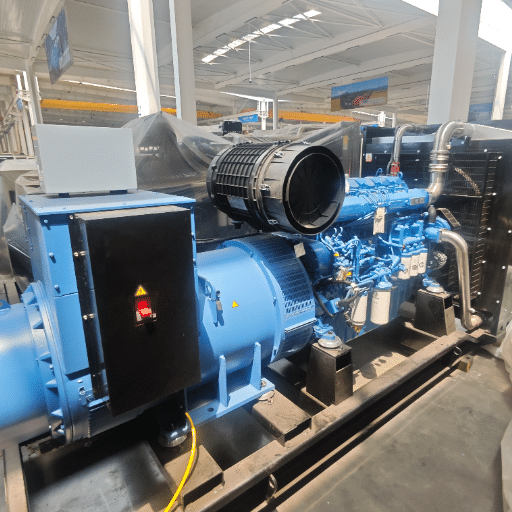
A typical generator noise level ranges from 45 dB for a small inverter unit up to 110 dBA for an open-frame industrial diesel genset. Most silent diesel generators run at 65 to 75 dBA measured at 7 meters, which is roughly the sound of a normal conversation.
That number matters more than most buyers realize. When Priya, a procurement manager for a hospital...
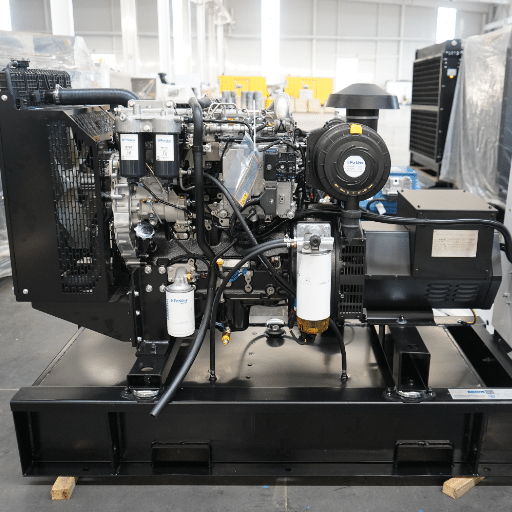
A generator set specification for tender needs seven technical sections: scope and duty rating, engine requirements, alternator requirements, electrical performance, control and protection, fuel and noise limits, and testing with commercial terms. Get those seven right and bidders can price comparable machines. Get them wrong and you’ll collect...
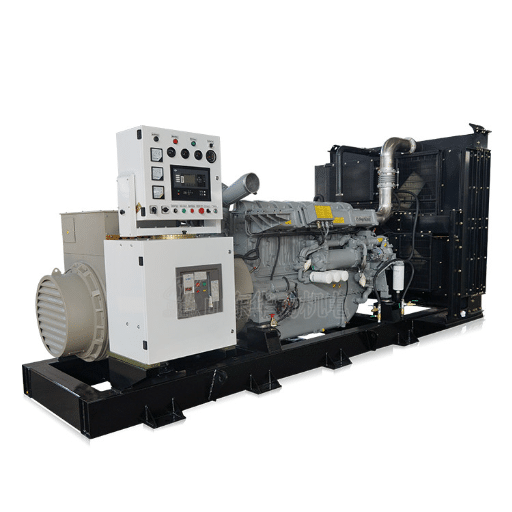
Standby, prime, and continuous are duty-cycle ratings that define how a generator may legally and safely be used: standby (ESP) covers emergency backup up to about 200 hours per year, prime (PRP) covers unlimited hours as a main power source with variable load, and continuous (COP) covers unlimited hours at a constant load. On the same engine, the ratings...
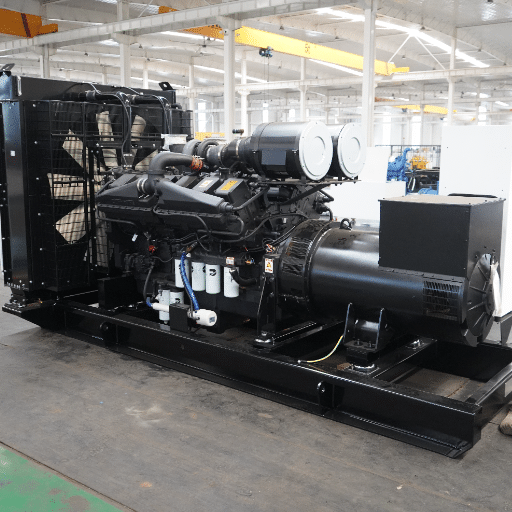
The difference between kVA and kW on a generator comes down to one thing: kW is real, usable power that runs your equipment, while kVA is apparent power, the total electrical capacity the generator carries. Power factor connects them (kW = kVA × power factor, typically 0.8), which is why a 100 kVA generator delivers only 80 kW of usable power.
That...
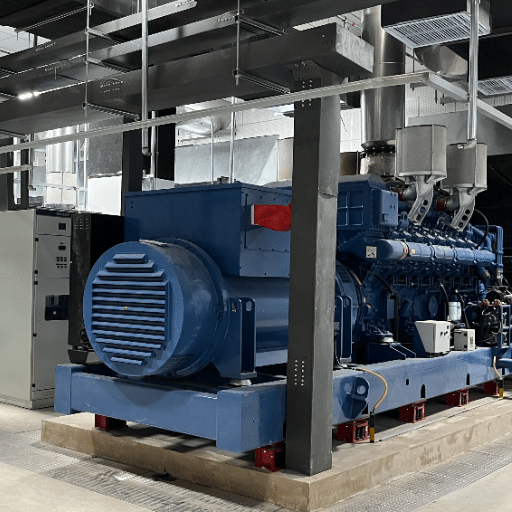
A generator set specification is the technical document that defines exactly what a genset can deliver: its power ratings, electrical performance, engine and alternator data, fuel consumption, and operating limits. Learning to read one correctly is the fastest way to compare suppliers and avoid an expensive purchasing mistake.
Here is why that matters....
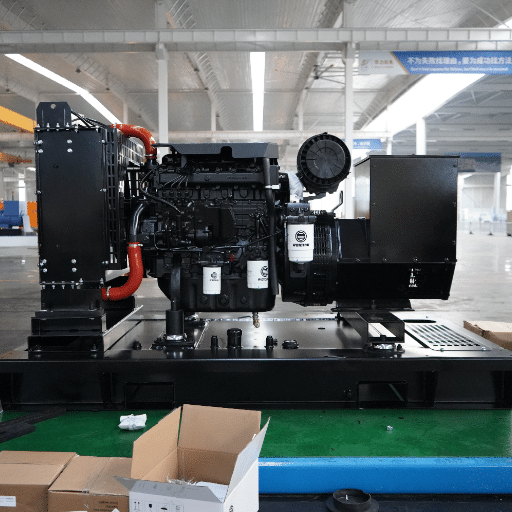
The generator set efficiency tips with the biggest payback are three: run the unit in its 60-80% load band, keep the air and fuel systems serviced, and protect fuel quality in storage. Together they are worth 5-15% in fuel savings, and most facilities can capture them within one maintenance cycle.
Why does this deserve attention? Because fuel is the...
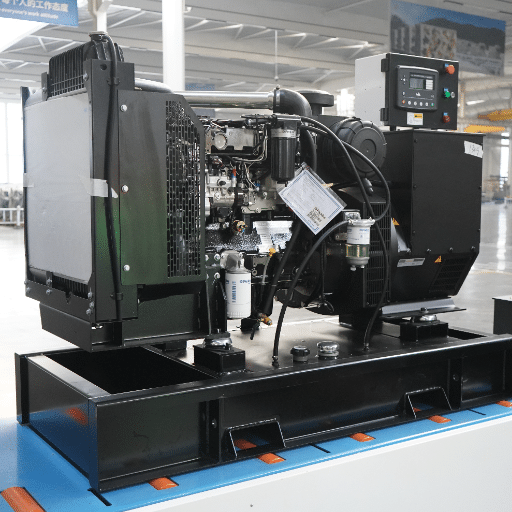
For most commercial and industrial facilities, the best generator set for backup power is a diesel standby unit with an automatic transfer switch, sized at roughly 125% of your critical load. That combination starts within 10 to 15 seconds of a grid failure, carries your essential systems for as long as fuel lasts, and costs less to specify than most...

To maintain a genset, you need to check fluid levels and look for leaks weekly, run it under load monthly, change the oil and filters every 250 to 500 running hours, service the fuel system and battery on schedule, and perform a full load test once a year. Follow that routine and a quality industrial genset will deliver 15,000 to 30,000 operating hours...
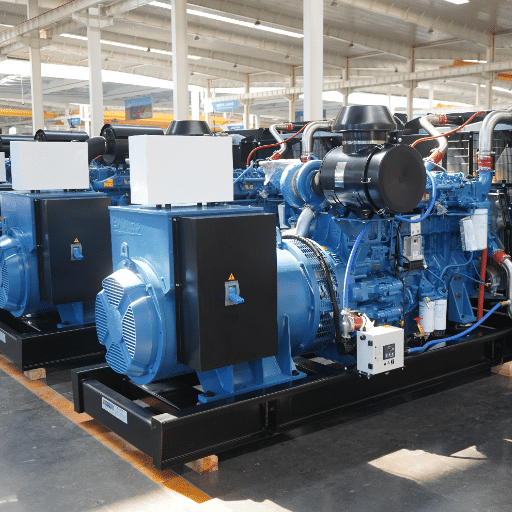
Generator sets used for data center backup must be sized at 110% to 120% of the facility’s total load and configured with N+1 or 2N redundancy based on the Uptime tier; they must also be capable of assuming full load within 15 seconds. Diesel generator sets with power ratings between 1 and 3 megawatts (MW) remain the industry standard, while containerized...

A generator set for commercial buildings is typically a standby diesel unit between 100 and 625 kVA, paired with an automatic transfer switch and sized from a real load calculation. Office towers, malls, and hotels usually land in the 400 to 625 kVA band, while smaller commercial properties often start around 80 kVA.
The cost of getting this wrong shows...