
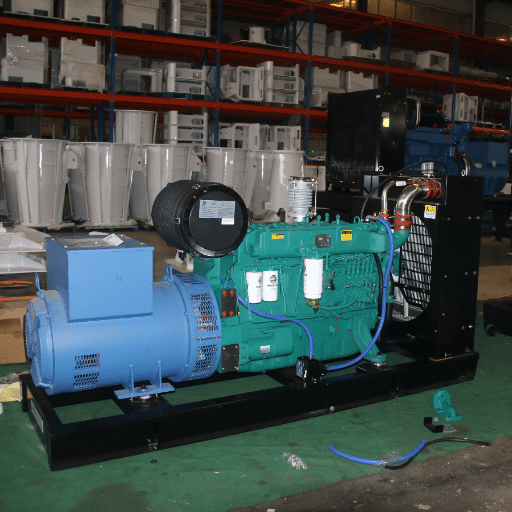
Generator cooling system maintenance is the scheduled care of the closed loop that keeps a diesel genset at working temperature: daily coolant checks, periodic coolant testing and flushing, radiator and fan cleaning, water pump and thermostat checks, and cold-weather preparation. Run it on hours OR calendar time, whichever comes first, and most overheating...
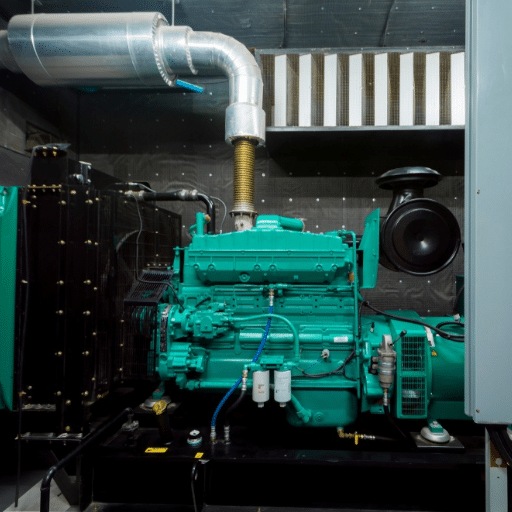
A diesel generator set turns only about a third of its fuel’s energy into electricity. The rest leaves as heat, and generator heat rejection is the calculation that sizes the radiator, the cooling fan, and the generator room. On a typical turbocharged set, the rejected heat is roughly 1.7 to 1.9 times the machine’s rated kW, not the modest...

The right diesel generator coolant antifreeze is an ethylene glycol mix at about 50/50 with distilled water, chosen by chemistry and never by color: IAT, OAT, or HOAT to match your engine, plus a cavitation additive (SCA) when it runs wet liners. A diesel generator cooling system is a closed loop, and the fluid in that loop decides whether it protects...
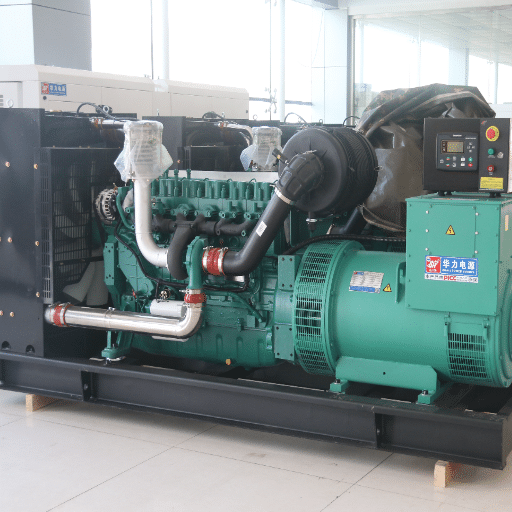
A diesel generator cooling system is a closed loop. The water pump pushes coolant through the engine block and cylinder head, where it picks up combustion heat. Once the coolant passes about 80 °C, the thermostat opens and routes it to the radiator. A fan pulls air through the core, the heat leaves the coolant, and the cooled coolant returns to the...

A remote radiator generator moves the cooling core off the machine and out of the room, usually onto a roof, an exterior wall, or the top of a container, and pipes the engine coolant to it. You need this setup when the room around the genset cannot move enough air through a unit-mounted radiator, when the site runs hotter than the radiator’s design...
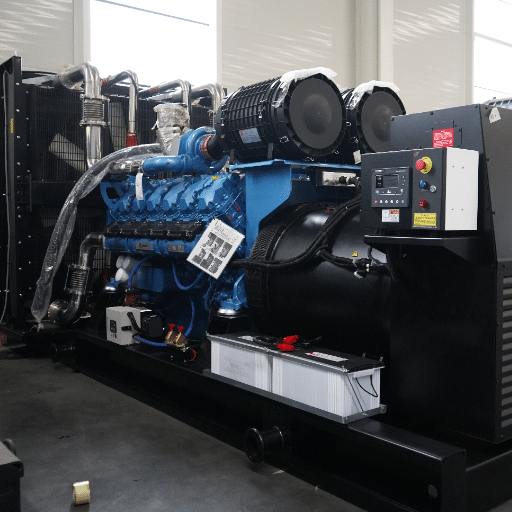
The most common causes of generator overheating are low coolant, a clogged radiator, and a stuck thermostat. Together, those three sit behind most high-temperature trips, and every one of them is preventable with routine maintenance.
Here is why this matters. Generator overheating causes are behind roughly 40% of all diesel generator failures, a figure...
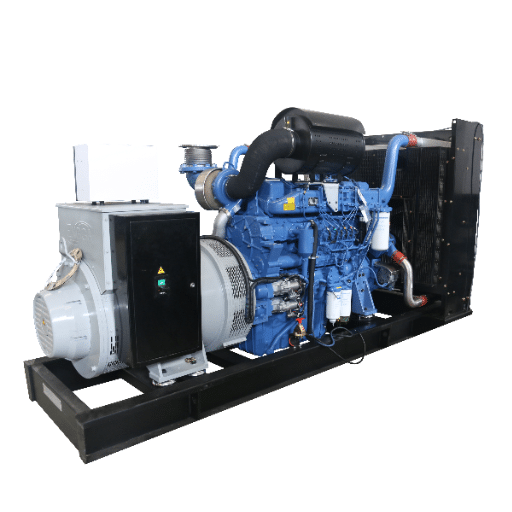
A generator cooling system is the closed-loop liquid circuit that carries waste heat away from a diesel engine so it can run at a safe, steady temperature. It moves a mix of coolant and water through the engine block and cylinder head, then rejects that heat to the outside air through a radiator. Without it, a diesel genset would overheat, derate, and...
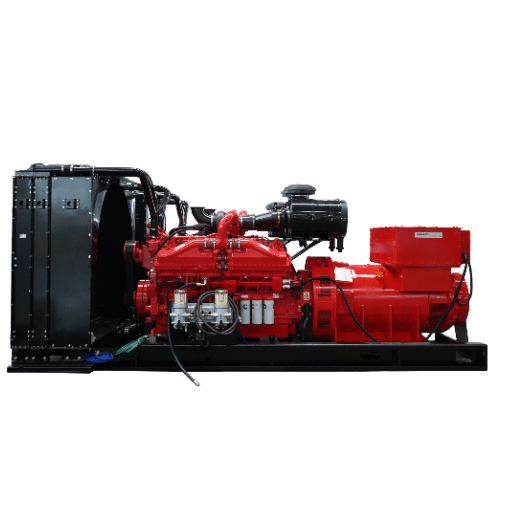
A generator fuel consumption chart shows how many litres of diesel a genset burns per hour at different loads, usually 25%, 50%, 75%, and 100%. As a rough starting point, a modern diesel genset burns about 0.25 litres per kWh at full load, which works out to roughly one litre per hour for every 4 kW of rated output. So a 100 kW genset burns about 25...
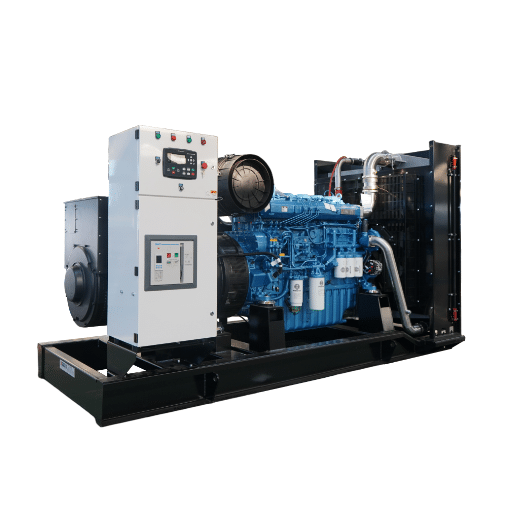
A generator control panel does four things: it starts and stops the engine, monitors running parameters, protects the genset from faults, and coordinates with a transfer switch to restore power when the mains fails. These generator control panel functions decide whether a blackout ends in seconds or stretches into hours. Get them wrong and the machine...

Generator engine specifications tell you how much power the engine can produce, for how long, and under what conditions. The most important number to understand is the power rating: a “500 kW” engine rated for standby duty runs at only about 450 kW in continuous prime service, because standby power carries strict limits on operating hours...